The realm of logistics is often filled with terminology that can be confusing, especially for businesses venturing into e-commerce. Two terms that frequently surface in discussions about inventory management and order processing are “warehouse” and “fulfillment center.” Despite their similar functions, they cater to distinct needs and operational methodologies.
Defining Warehouses and Fulfillment Centers
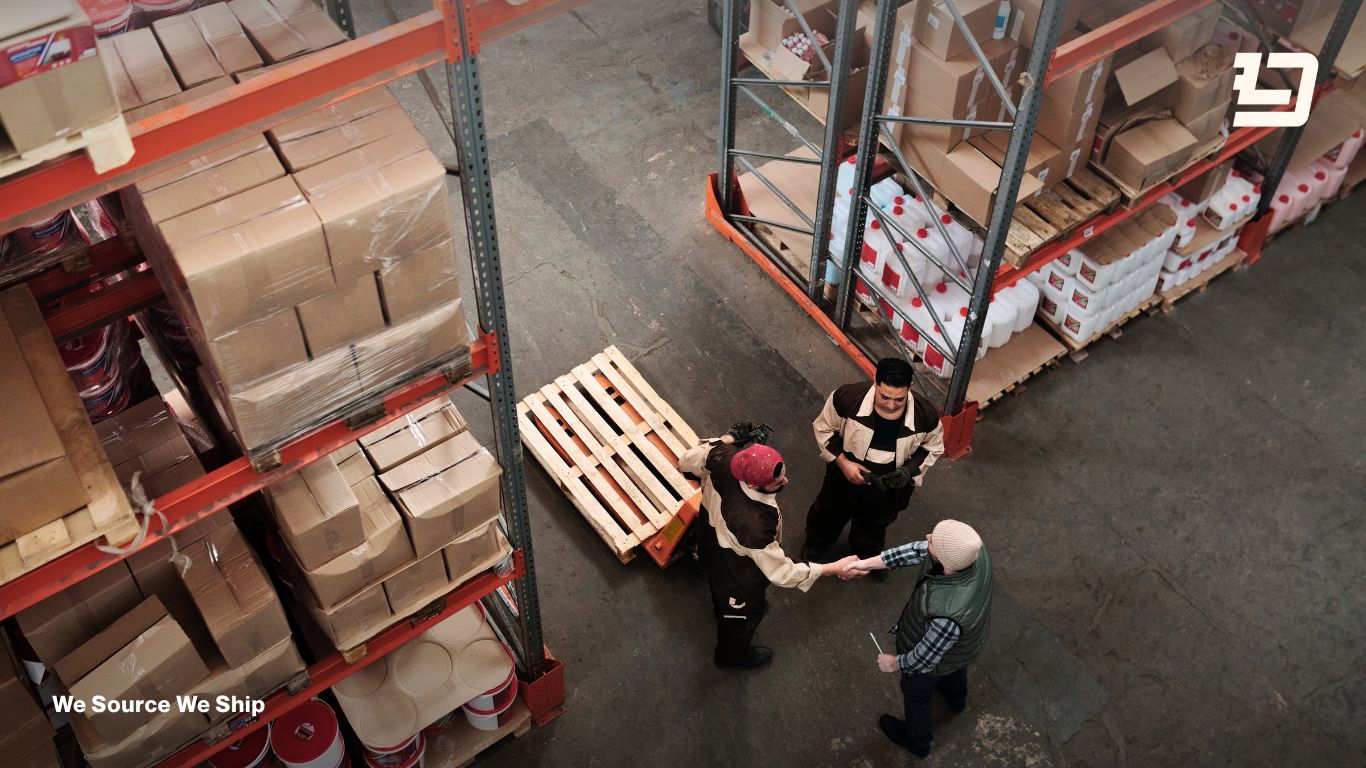
A warehouse primarily serves as a storage facility where goods are kept until they are needed. Here, products are typically stored in bulk, awaiting transportation to retailers or direct customers. The focus of a warehouse is on inventory management rather than order processing. Businesses may use warehouses to control stock levels and manage their product lifecycle, but they generally do not handle the complexities of packing and shipping individual orders.
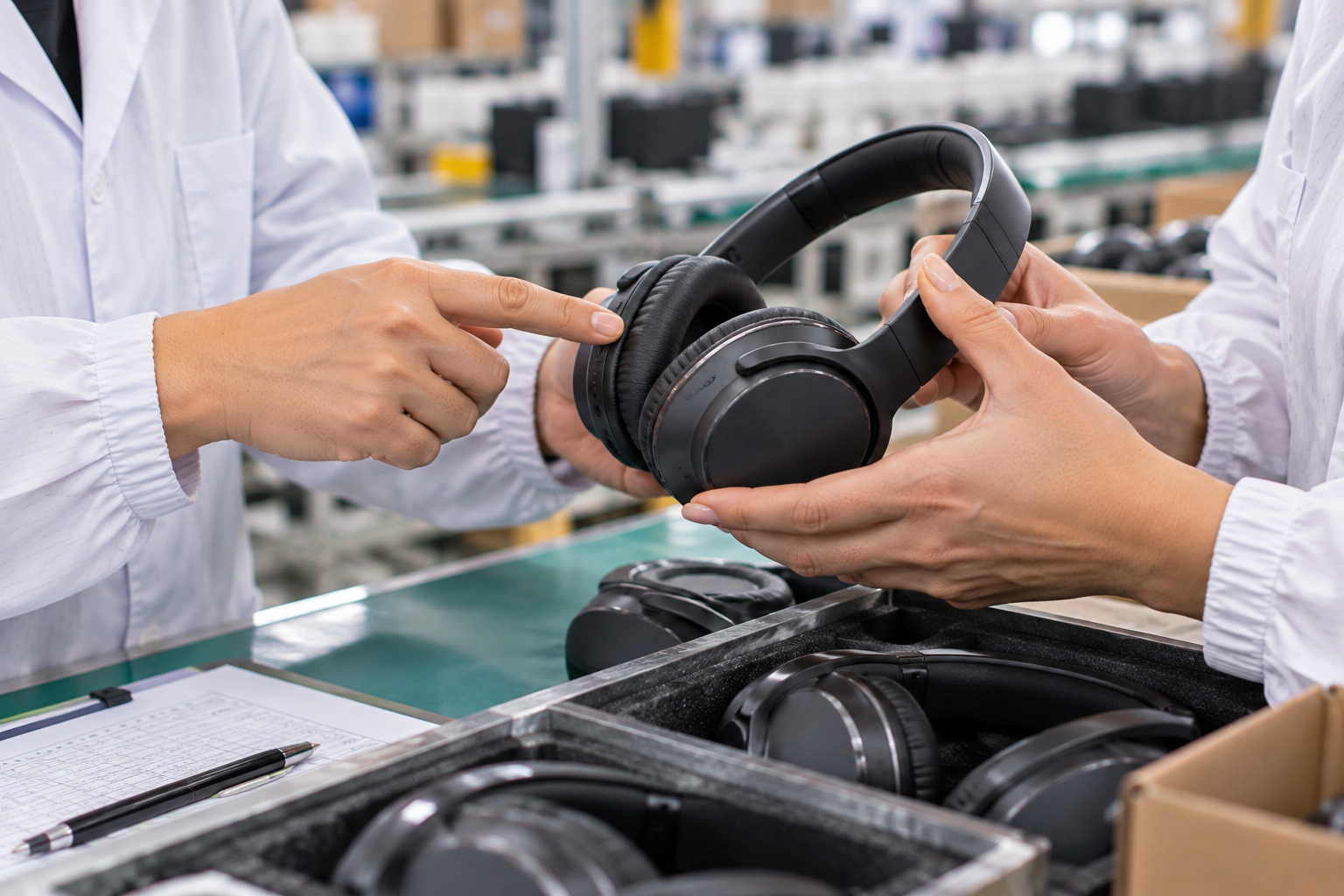
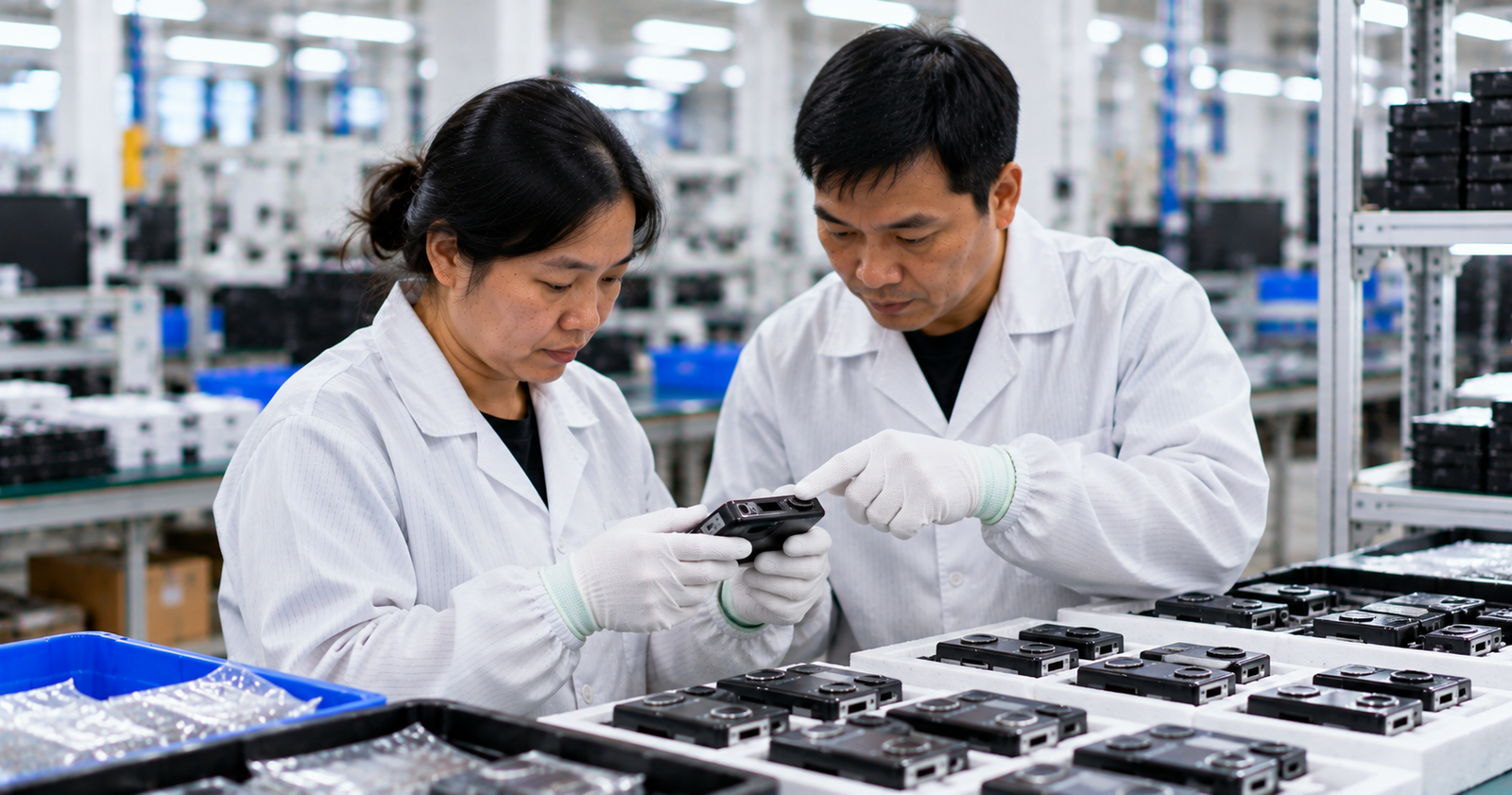
On the other hand, a fulfillment center emphasizes the process of getting products to consumers efficiently. These centers pick, pack, and ship individual orders directly to customers. In essence, a fulfillment center is an advanced supply chain hub aimed at supporting e-commerce activities. By utilizing services such as China fulfillment centers, businesses can streamline their operations, reduce delivery times, and enhance customer satisfaction. For e-commerce brands, employing a fulfillment center means having access to sophisticated logistics solutions tailored specifically for high-volume order processing.
Operational Differences: Speed and Efficiency
The operational methodologies of warehouses and fulfillment centers significantly differ in terms of speed and efficiency. Fulfillment centers, especially those located in strategic regions like China, are structured to manage rapid order cycles and leverage technology for quick processing. With automation and optimized inventory systems, a China fulfillment center can turn around orders much more swiftly than traditional warehouses.
Moreover, while warehouses may lack the immediate shipping capabilities, fulfillment centers have integrated logistics solutions that allow e-commerce businesses to reach their global customers faster. When brands utilize services from China fulfillment centers, they benefit from reduced shipping times, leading to improved overall customer experience and loyalty.
The Importance of Choosing the Right Facility for Your Business
For businesses looking to scale, understanding the difference between these two types of facilities can be transformative. Making the right choice—whether to rely on a conventional warehouse or a forward-thinking fulfillment center like Lansil Global—will directly impact your operational efficiency and ability to meet customer expectations.
At Lansil Global, we recognize the nuances between warehouses and fulfillment centers and strategically position ourselves to facilitate e-commerce success. Our services are designed to help brands manage product sourcing, manufacturing, and order fulfillment seamlessly across locations. Starting in China, we have expanded our operations to the United States, ensuring that our clients can sell globally while shipping faster through our well-placed China fulfillment centers.
We also support our customers with up to $1 million in credit and flexible payment terms of 60 days, allowing them to concentrate on growing their businesses without worrying about immediate cash flow constraints. Partnering with Lansil Global empowers e-commerce brands to navigate the complexities of logistics with ease, maximizing their reach and enhancing their market presence.