The global electronics market is booming, but so are customer expectations. Speed, precision, and reliability now define success for ecommerce brands selling gadgets, accessories, or home electronics.
According to Statista (2025), global consumer electronics revenue is expected to exceed $1.2 trillion this year, with online sales accounting for nearly 30% of that total.
Yet managing logistics for these products is complicated. Electronics require careful handling, safety checks, and efficient shipping across borders. That’s where third-party logistics (3PL) companies come in.
This article connects to our main hub guide, 3PL for Ecommerce: What It Is, How It Works, and When to Use It, and focuses on how electronics brands can choose the right fulfillment partner to scale globally.
Why Electronics Fulfillment Requires Specialized 3PL Support
Not all products are equal when it comes to storage and shipping. Electronics need far more care than apparel or cosmetics because they:
- Are fragile and sensitive to temperature or humidity
- Require specific packaging standards, such as anti-static protection
- Must comply with customs, battery regulations, and import certifications
- Often have higher return rates that demand efficient reverse logistics
3PL providers specializing in electronics understand these details. They design processes around product safety, delivery speed, and cost optimization, helping brands scale globally without the stress of managing fulfillment in-house.
What 3PL Companies Actually Do for Electronics Fulfillment
A third-party logistics company acts as your operations partner, handling everything from inventory storage to order delivery. For electronics brands, this often includes:
| Stage | 3PL Function | Why It Matters |
|---|---|---|
| Inbound Freight | Receiving goods from factories in China or other suppliers | Reduces shipping delays with better coordination and customs handling |
| Warehousing | Storing products in climate-controlled, secure facilities | Prevents damage and theft |
| Order Processing | Picking, packing, and labeling orders with precision | Minimizes errors for high-value products |
| Packaging | Using anti-static and protective materials | Ensures safe delivery of sensitive items |
| Shipping | Managing last-mile delivery via multiple couriers | Balances cost and speed |
| Returns Management | Handling product returns or repairs | Improves customer experience |
For ecommerce brands selling globally, having a China fulfillment hub combined with U.S. warehouse fulfillment creates the ideal logistics network. It allows you to ship directly to international customers while keeping fast-moving SKUs closer to your U.S. buyers.
Key Challenges in Electronics Order Fulfillment
Electronics logistics can get messy if handled poorly. Here are the most common issues brands face and how a capable 3PL company can solve them.
1. Product Fragility and Packaging Standards
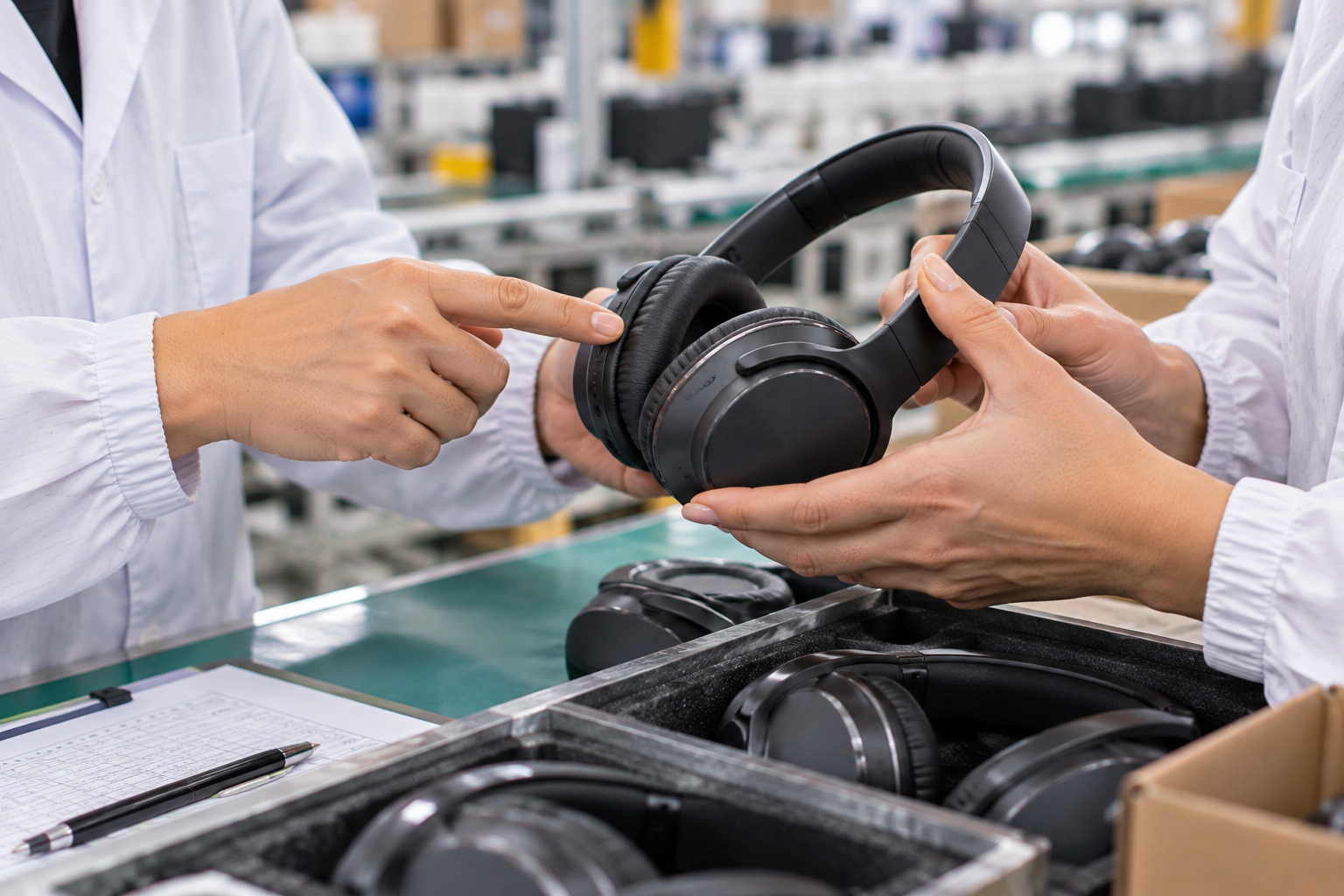
Electronics are fragile and contain sensitive components. A skilled 3PL uses anti-static foam, custom boxes, and shockproof packaging to prevent damage during transit.
2. Inventory Accuracy
With high-value products, even one error can be costly. Leading 3PLs use barcode scanning, batch tracking, and warehouse management systems (WMS) to keep inventory precise.
3. Customs and Compliance
Shipping electronics internationally requires certifications such as FCC, CE, and lithium battery documentation. Experienced 3PLs manage this process, ensuring compliance and smooth customs clearance.
4. Returns and Reverse Logistics
Electronics tend to have higher return rates, especially when products are defective or damaged. Efficient 3PLs set up inspection and repair systems to recover value and maintain customer trust.
Advantages of Partnering with a 3PL for Electronics Fulfillment
Working with a 3PL company provides several strategic benefits for electronics brands:
| Benefit | Impact on Your Business |
|---|---|
| Reduced Costs | Lower shipping rates through bulk partnerships and better warehouse placement |
| Faster Delivery | Dual-coast U.S. warehouses allow 2–4 day domestic delivery |
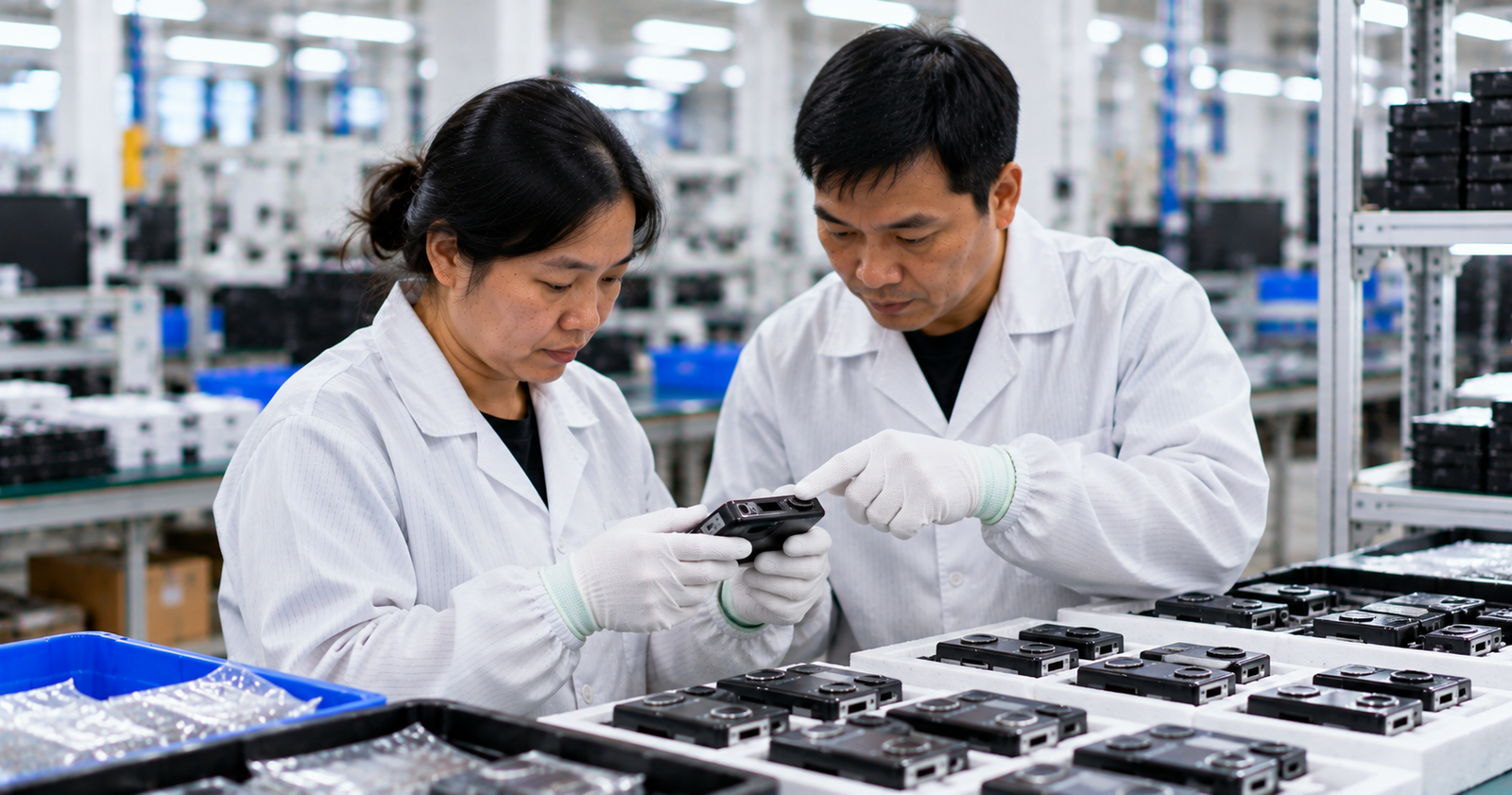
| Quality Control | In-house inspection at origin ensures consistent product quality |
| Scalability | Easily expand into new markets without heavy investment |
| Customer Satisfaction | Faster, damage-free delivery leads to higher ratings and repeat purchases |
According to a study, 70% of online shoppers expect free or low-cost two-day shipping. Brands that meet this demand see 30–40% higher repeat purchase rates. With integrated 3PL support, ecommerce owners can achieve this without overextending internal resources.
When to Move Your Electronics Fulfillment to a 3PL
You might not need a 3PL when you’re shipping 20 orders a month, but if you’re scaling to hundreds or thousands, logistics complexity increases fast.
Signs it’s time to outsource fulfillment:
- You spend more time managing shipments than growing sales
- Order errors or delays are becoming common
- Your customers are in the U.S., but your inventory is stuck overseas
- You need to offer faster delivery to compete with Amazon and big-box retailers
By outsourcing to a professional 3PL, you can focus on marketing, product development, and customer experience while logistics experts handle fulfillment efficiently.
Example: Streamlining a Consumer Electronics Brand
A DTC electronics brand based in the U.K. shifted to Lansil Global after struggling with long delivery times from China. The solution was a hybrid model:
- Fast-moving SKUs were stocked in Nevada and Pennsylvania, giving U.S. customers 2–4 day delivery.
- Slower SKUs remained in the Shenzhen warehouse for global orders.
The result: Within two months, delivery times dropped by 65%, customer complaints fell sharply, and the brand’s average order value increased as trust grew in faster, reliable fulfillment.
3PL Comparison: Traditional vs In-House vs Direct Fulfillment
| Criteria | In-House Fulfillment | 3PL Fulfillment |
|---|---|---|
| Setup Cost | High upfront investment in warehouse, staff, and systems | Low startup cost, pay only for storage and orders shipped |
| Scalability | Limited by space and labor capacity | Scales instantly with seasonal demand or market expansion |
| Shipping Speed | Slower if operating from one location | 2–4 day delivery with dual-coast U.S. warehouses |
| Inventory Control | Managed manually, prone to delays | Real-time visibility through warehouse management systems (WMS) |
| Packaging Quality | Inconsistent if team lacks training | Standardized, damage-preventive packaging (anti-static, shockproof) |
| Technology Integration | Often basic, manual syncing | Integrated with Shopify, WooCommerce, and Amazon for live order flow |
| Returns Management | Time-consuming, costly to process | Automated inspection, testing, and restocking workflows |
| Overhead Costs | Ongoing rent, utilities, payroll, and software fees | Variable cost model based on order volume |
| Compliance | Must handle customs, battery, and safety paperwork internally | 3PL manages certifications, IATA docs, and DDP shipping |
| Best For | Small or local brands handling low order volumes | Growing ecommerce brands needing faster, global fulfillment |
FAQs
1. How many orders per day do I need to start with a 3PL?
Around 20 orders per day is ideal for consistent processing and affordable rates.
2. Can I ship directly from China to customers in the U.S. or EU?
Yes. A China-based 3PL can manage global shipping under DDP terms using couriers like YunExpress, 4PX, or DHL.
3. How do I reduce shipping damage?
Use foam inserts, anti-static bags, and drop-tested packaging. Request regular packaging audits from your fulfillment partner.
4. Can my 3PL handle warranty claims or testing?
Some 3PL companies offer inspection and repair for returned items. Always confirm this before signing a contract.
5. What packaging works best for electronics?
Use sturdy double-walled boxes with custom foam trays. Avoid loose fillers for heavier devices and label packages as fragile.
6. Can a 3PL help with lithium battery compliance?
Yes. Choose a 3PL certified for hazardous goods handling. They will manage IATA paperwork and use approved UN packaging for safe international shipping.
Electronics fulfillment is not just about moving boxes. It’s about precision, protection, and performance. Every cable, screen, and battery must arrive in perfect condition, and every shipment must meet international standards.
Choosing a 3PL company for your electronics brand is a strategic move that ensures reliability, cost control, and scalability.
At Lansil Global, we connect China manufacturing and U.S. fulfillment through our Shenzhen hub and dual U.S. warehouses in Nevada and Pennsylvania. Our team helps ecommerce brands maintain quality, speed, and consistency across global operations.