For scaling e-commerce brands, selecting a third-party logistics (3PL) provider is one of the most critical strategic decisions you’ll make. In 2026, this choice is no longer just about finding the lowest shipping rate. It’s about partnering with a company that acts as an extension of your team—orchestrating a seamless, intelligent, and scalable supply chain that fuels your growth.
This guide will walk you through the modern framework for how to choose a 3PL provider that can meet today’s demands and tomorrow’s challenges.
Beyond Storage & Shipping: The Modern 3PL as a Growth Partner
The landscape has fundamentally shifted. A contemporary 3PL partner must do far more than store boxes and print labels. For growing brands, the right partner provides integrated services that directly impact your customer experience.
Today’s leading providers, like Lansil Global, exemplify this shift by combining core logistics with value-added services. This includes comprehensive China sourcing with access to thousands of vetted vendors, stringent quality control for every product, and specialized services like Amazon FBA preparation. This end-to-end approach transforms your logistics from a cost center into a competitive advantage, allowing you to focus on marketing and brand building.
The 5 Essential Criteria to Choose a 3PL Provider in 2026
When evaluating potential third-party logistics provider partners, move beyond basic price comparisons. Use these five strategic dimensions to guide your decision.
1. Technology & Real-Time Integration
Your 3PL’s technology stack is its nervous system. It must provide real-time visibility and integrate flawlessly with your business. Demand a platform that offers a clear dashboard for inventory and order tracking across global locations.
Crucially, the provider must integrate natively with your e-commerce platform (like Shopify), ERP, and other tools. This seamless data flow prevents errors, automates order processing, and provides the single source of truth you need to make swift decisions.
2. Geographic Reach & Flexibility
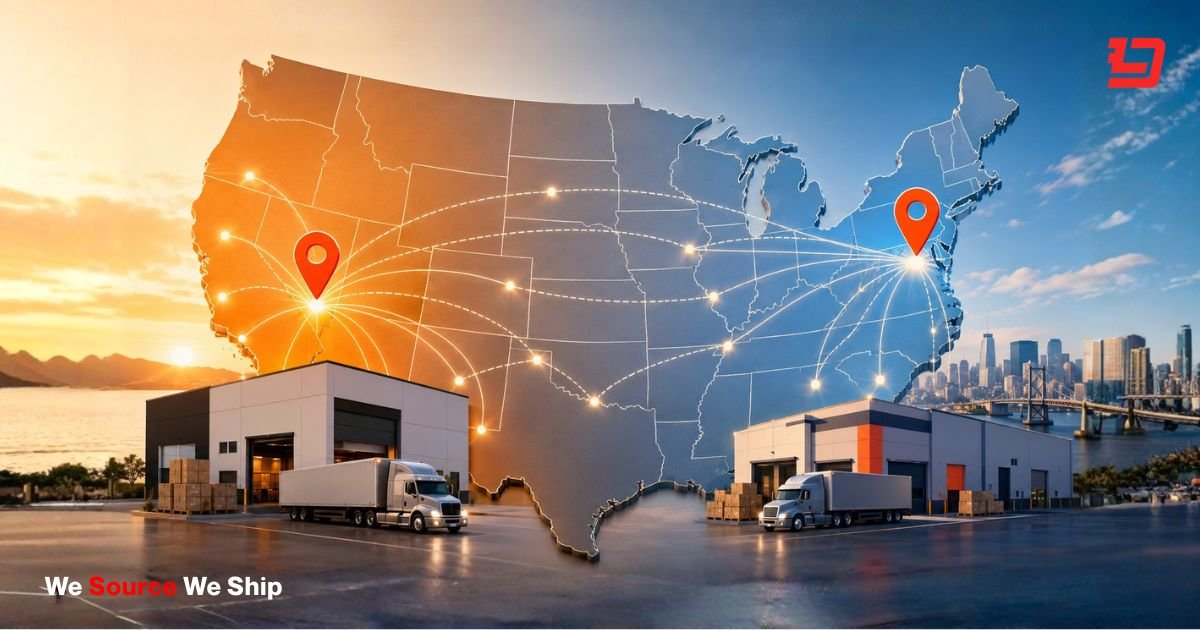
Your customers expect fast, affordable delivery. Evaluate a provider’s warehouse network against your current and future customer concentration. A strategically located network slashes transit times and shipping costs.
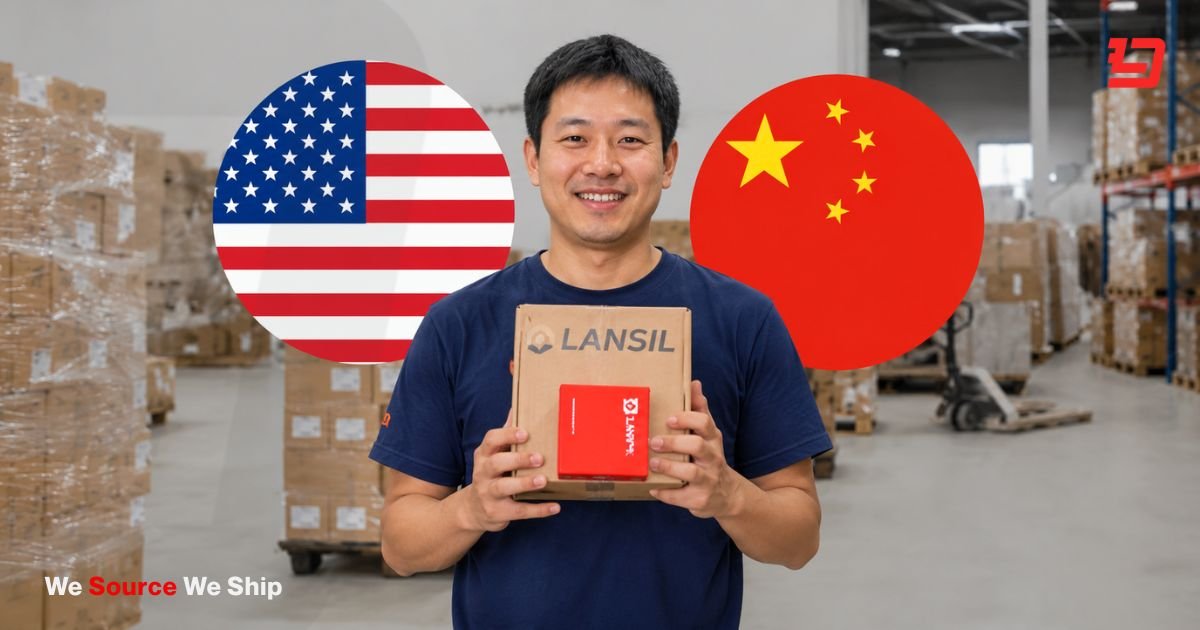
Look for a partner with a flexible, multi-node infrastructure. For example, a provider with fulfillment centers in both China and the United States, like Lansil Global, offers a powerful combination. You can ship from China for global reach (in 5-8 days to the US) or use US-based fulfillment for 2-4 day domestic delivery, optimizing for speed and cost based on the order destination.
3. Financial Health & Partnership Terms
The financial stability of your 3PL is a direct risk to your operation. A partner struggling with cash flow can lead to service disruptions. Inquire about their long-term viability and client retention.
Also, examine the partnership structure. Do they offer terms that support your growth? Some forward-thinking providers offer flexible credit terms, which can be invaluable for managing cash flow as you scale.
4. Transparency in Total Cost
The headline “per-order” fee is just the beginning. To understand the true cost, you must analyze the total fulfillment cost. Be sure to clarify:
- Setup/Onboarding Fees: Are there initial costs to integrate your account?
- Storage Fees: How are they calculated (per pallet, per shelf)? Are there long-term storage penalties?
- Pick & Pack Fees: Is this a flat rate, or does it vary by item?
- Shipping: Do they simply pass carrier costs through, or can they leverage their volume for better discounts?
- Value-Added Services: What are the costs for kitting, custom packaging, or return processing?
A trustworthy partner will provide a clear, all-inclusive quote and explain how costs decrease as your volume grows.
5. Scalability and Specialized Expertise
Your chosen partner must grow with you. Can they handle your projected sales volume in 12 or 24 months? Ask about their process for managing peak season surges and their capacity to add new warehouse locations.
Finally, assess their experience in your specific domain. Whether you’re in apparel, electronics, or cosmetics, a 3PL partner that understands your industry’s unique challenges—like compliance, packaging, or seasonal cycles—will deliver far better results than a generic warehouse.
Your Action Plan: Steps to Selecting the Right 3PL Partner
- Internal Audit: Before you speak to providers, document your needs. List your SKU count, average order volume, peak season surge percentages, and top customer locations.
- Ask the Hard Questions: During demos, go beyond the sales pitch. Ask for client references in your industry, request data on their order accuracy rates, and discuss their contingency plans for carrier or system failures.
- Start with a Pilot: Consider running a time-bound pilot project with your top candidate. This could involve a specific product line or sales channel. A real-world test is the most reliable way to assess compatibility, communication, and execution quality.
Selecting a 3PL in 2026 is about forming a strategic alliance. The ideal partner brings technological sophistication, financial stability, scalable infrastructure, and transparent pricing to the table. They act as a true extension of your brand, ensuring that every package delivered strengthens your customers’ loyalty.
For brands looking to streamline a complex supply chain that spans from sourcing in China to fast delivery in the US and Europe, a partner like Lansil Global, which provides that complete, integrated service, can be the catalyst for efficient, sustained growth.
Ready to see how a strategic 3PL partnership can transform your operations? A conversation with a fulfillment expert can provide insights tailored to your business’s unique roadmap and challenges. Contact us today to get started!