As online brands scale, choosing the right partner from today’s leading e-commerce fulfillment companies becomes a strategic decision rather than an operational afterthought. Fast shipping, inventory accuracy, system integration, and cost control all influence customer experience and long-term profitability.
Below is a practical look at some of the top fulfillment companies in the US, followed by guidance on how to choose the right provider for your growth stage and product type.
Top E-commerce Fulfillment Companies in the US
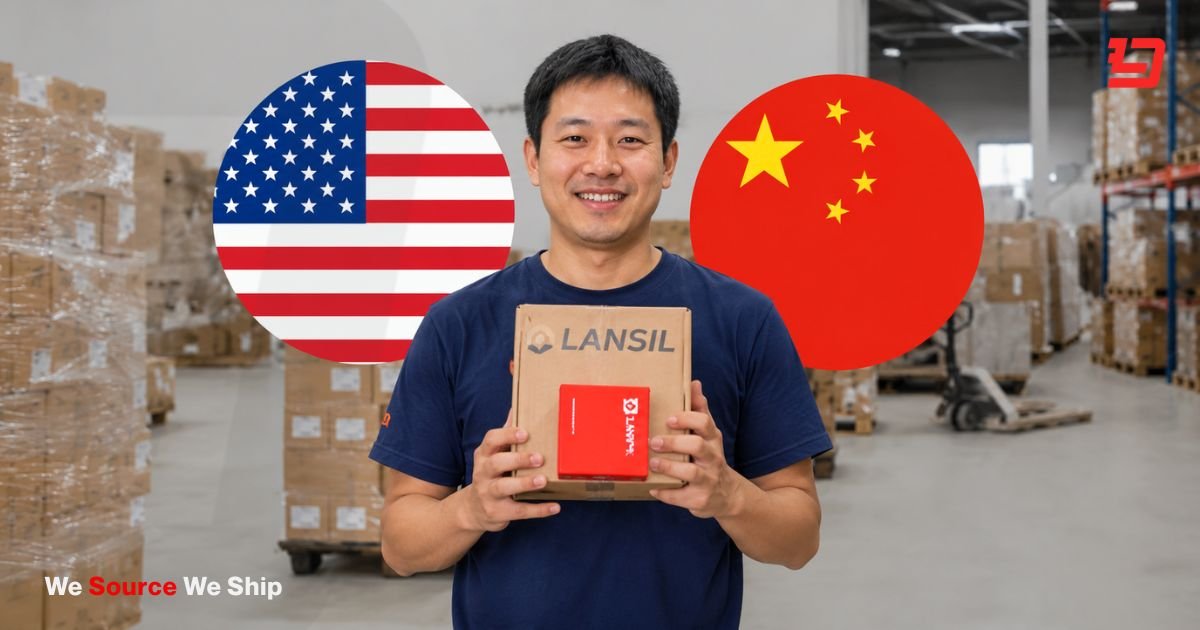
Founded in 2015, Lansil Global has quickly become a leading choice among fulfillment companies in the US. What sets Lansil apart is its dual-continent fulfillment strategy, combining China sourcing and manufacturing expertise with US-based warehousing.
Key advantages include:
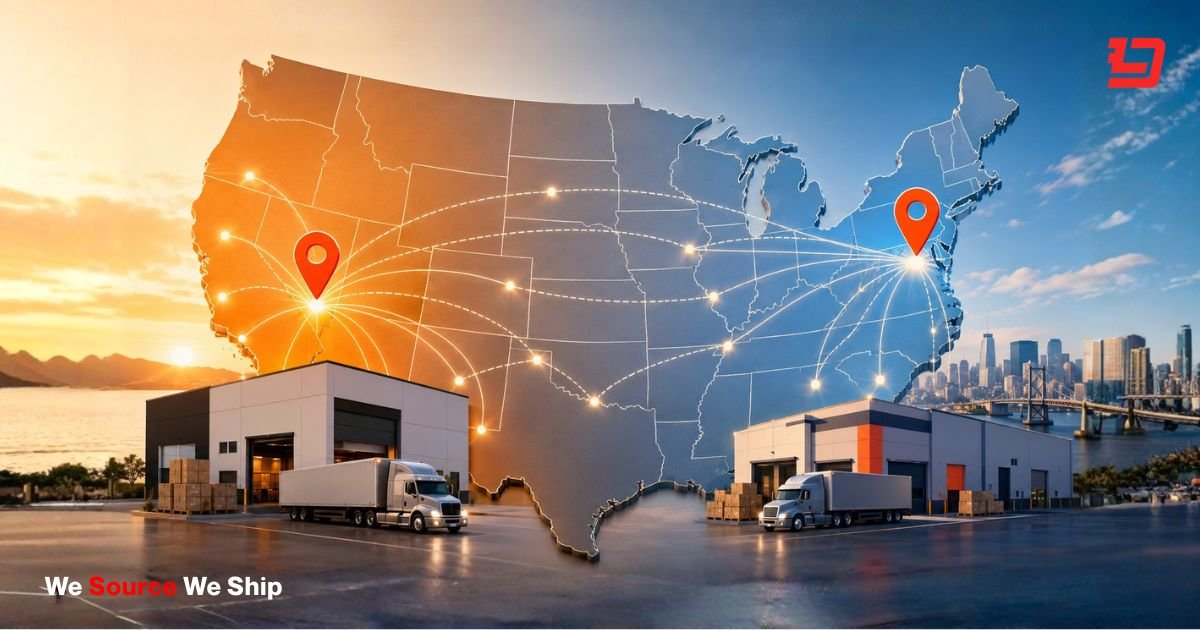
- Fast US Delivery: Strategic warehouses in Nevada (106,624 sq ft) and Pennsylvania (32,000 sq ft) allow 2-4 day shipping across most US regions, rivaling Amazon Prime speeds.
- Integrated Sourcing & QC: Lansil connects with over 2,000 factories in China, ensuring high-quality products and minimizing returns.
- Returns Management: Domestic return handling shortens refund cycles and improves customer satisfaction.
- Platform Integration: Seamless connections with Shopify, Amazon, WooCommerce, and FBA prep services optimize order routing and inventory management.
For brands scaling in the US market, Lansil Global’s end-to-end e-commerce fulfillment services provide both speed and reliability, making it an ideal partner for mid-sized and growing e-commerce businesses.
ShipBob
ShipBob is one of the most recognized e-commerce fulfillment companies for direct-to-consumer brands. Its distributed fulfillment model allows merchants to split inventory across multiple U.S. locations, reducing shipping zones and supporting faster delivery times.
Additionally, ShipBob’s dashboard offers real-time inventory tracking, order monitoring, and performance analytics, which helps brands plan replenishment and avoid stockouts. It also supports omnichannel fulfillment, meaning sellers can manage website orders and marketplace orders within one system.
Overall, ShipBob is typically a strong fit for brands shipping standard-size products with consistent order volume that benefit from multi-node inventory placement.
ShipMonk
ShipMonk differentiates itself through operational flexibility and technology-driven workflows. It is particularly suitable for brands that rely on kitting, bundling, and subscription box models, where multiple SKUs must be assembled into a single package.
The platform supports automation rules, inventory forecasting, and customized packaging flows. Crowdfunding brands and seasonal campaign sellers also benefit from ShipMonk’s structured onboarding and project-style fulfillment setup.
For companies where presentation, bundle logic, and special inserts are part of the customer experience, ShipMonk offers strong process control.
Red Stag Fulfillment
Not all fulfillment companies in the US are built to handle oversized or high-value goods. Red Stag specializes in heavy, bulky, or fragile products, such as furniture, gym equipment, and electronics.
Its processes emphasize inventory accuracy and damage prevention, which is essential when each shipment carries a higher financial risk. Brands in these categories often prioritize reliability over sheer network size.
Cart.com
Cart.com positions itself as a broader commerce enablement partner, combining logistics, technology, and omnichannel support. It works well for companies managing both DTC and B2B channels or those requiring more advanced inventory orchestration and enterprise-level reporting.
eFulfillment Service (eFS)
eFulfillment Service is known for its flexibility, including no strict minimums. This makes it a practical entry point for smaller merchants who need professional e-commerce fulfillment services but are not yet ready for high-volume commitments.
Common operational roadblocks holding brands back
Across ecommerce businesses, the same issues appear again and again.
Limited operational visibility
Many teams cannot clearly answer where inventory is located, how long orders take to ship, or what each order truly costs. Without visibility, decisions become reactive.
Inconsistent fulfillment performance
Late shipments, missing scans, and unclear tracking damage customer trust. Even strong products struggle when fulfillment feels unreliable.
Poor inventory control
Inventory sitting in the wrong place leads to overselling, stockouts, or cash tied up in slow moving SKUs.
Disconnected systems
When sales channels, inventory tools, and fulfillment systems do not sync properly, errors multiply. Manual fixes become routine.
These problems grow as order volume increases. Fixing them early is far easier than fixing them at scale.
How to Choose the Right Fulfillment Partner
With many capable e-commerce fulfillment companies available, the best choice depends on your specific operational profile.
1. Product Characteristics
Large, fragile, or regulated items require specialists. Heavy goods sellers may lean toward Red Stag, while brands needing sourcing oversight and QC might favor Lansil’s integrated model.
2. Supply Chain Complexity
If your business involves overseas manufacturing, tariff considerations, or supplier management challenges, a partner that understands both origin operations and U.S. fulfillment can reduce risk and improve coordination.
3. Technology Integration
Real-time inventory visibility, automated order syncing, and platform compatibility are essential for scaling brands. Ensure the provider integrates smoothly with your e-commerce and marketplace systems.
4. Shipping Speed vs. Inventory Cost
A highly distributed network can offer very fast shipping but may require more inventory spread across locations. Strategically placed bi-coastal warehouses, like Lansil’s, can balance speed and inventory efficiency.
5. Growth Stage Fit
Some providers are optimized for startups, while others focus on established brands with consistent order flow. Choose a partner aligned with your current scale and near-term growth plans.
The US fulfillment market is more competitive than ever. While giants like ShipBob offer massive networks, specialized providers such as Red Stag, or integrated supply chain partners like Lansil Global, often deliver the level of service growing brands need to move to the next stage. By focusing on delivery speed, quality control, and smart warehouse placement, fulfillment can shift from a cost center into a real competitive advantage.
As you review your ecommerce operations for 2026, Lansil Global supports brands with scalable fulfillment, logistics, and supply chain solutions designed for long term growth.
You can send us a note and our team will walk you through how we can support your brand. You can also explore Lansil Global’s full list of services to see how we help brands move products faster, stay operationally efficient, and scale with confidence throughout the year.