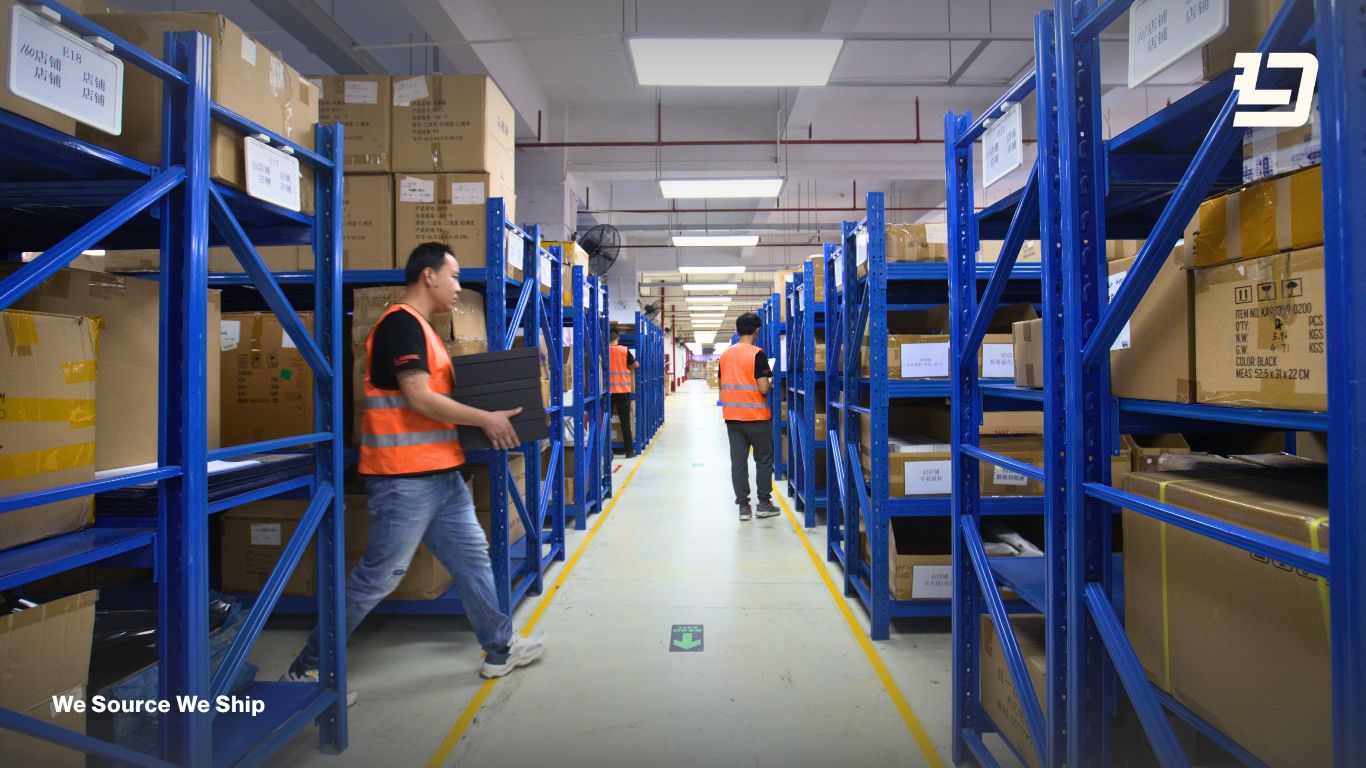
As ecommerce grows, more brands are turning to China-based third party logistics partners to manage warehousing, fulfillment, and global shipping. Since most products are still manufactured in China, keeping fulfillment close to production feels natural. Costs stay low, stock moves faster, and you gain tighter control over inventory before it ships overseas.
If you want a broader look at how outsourced fulfillment works and when to use it, our main 3PL resource explains the full process and decision points in a simple, practical way.
Recent insights show that the global ecommerce logistics market is expected to reach 535 billion dollars in 2025, driven by brands expanding into new regions, launching more SKUs, and scaling cross border fulfillment needs
Another report revealed that demand from ecommerce sellers is rising sharply, with 69% of logistics providers seeing higher order volumes and increased outsourcing from fast growing brands in 2024 and 2025.
These insights point to a clear direction. Modern ecommerce brands are leaning on optimized logistics partnerships to improve delivery times, protect margins, and support international customers without building costly warehouse operations themselves.
This shift raises an important question for scaling ecommerce owners. Does working with a China 3PL help your brand grow efficiently, or does it introduce challenges you need to plan for?
What Working with a China 3PL Actually Means
A China 3PL is a logistics provider located in China that manages storage, inventory, order processing, pick and pack, and international shipping. Many also assist with supplier coordination, product checks, labeling, and packaging.
For brands manufacturing in China, this arrangement can remove weeks from the supply chain. Products go directly from the factory to the warehouse, sometimes on the same day. This reduces delays and makes it easier to keep stock moving.
China’s logistics network is tightly connected to its massive manufacturing ecosystem. That closeness gives China 3PLs a built-in advantage that overseas warehouses cannot match.
The Pros of Working with a China 3PL
1. Lower Operational Costs
China remains one of the most cost efficient regions for logistics. Labor costs are significantly lower, and warehouse space is far more affordable than in Western markets. This leads to lower storage fees, lower pick and pack charges, and cheaper packaging materials.
For brands running tight margins or selling lower priced items, these cost savings can be the difference between profitable and unprofitable fulfillment.
It also allows newer brands to scale without locking themselves into expensive leases or hiring large in-house teams.
2. Faster Factory to Warehouse Flow
When production and fulfillment happen in the same region, inventory moves quickly.
Instead of waiting weeks for a container to arrive at a foreign warehouse, stock can be delivered to a local China 3PL within hours of leaving the factory.
This helps with:
- Faster product launches
- Smooth restocks
- Better cash flow planning
- Lower risk of stockouts
- Brands with frequent new releases, seasonal SKUs, or fast moving products benefit the most from this tight factory-to-warehouse loop.
3. Built for Rapid Scaling
China fulfillment centers handle high volume for hundreds of brands, so they are designed to scale quickly.
If your sales jump overnight due to a viral video or a promotion, a China 3PL can ramp up labor and space immediately. You avoid hiring costs, training time, or warehouse expansion.
The ability to scale up or down at any time is valuable for brands that experience seasonal spikes, crowdfunding campaigns, or inconsistent demand patterns.
4. Easier Supplier and QC Coordination
Working with a China 3PL often means your warehouse is less than an hour away from your suppliers.
This makes it easy to perform:
- Pre-shipment inspections
- Labeling corrections
- Product checks
- Kitting or assembly
- Repacking
Many China 3PLs can even send staff to the factory for urgent checks.
This level of coordination is difficult with overseas warehouses and becomes a major advantage for brands with complex SKUs or evolving product lines.
5. Strong Export Knowledge
Customs paperwork can slow down international shipments if done incorrectly.
China 3PLs manage export documentation daily, so they understand HS codes, commercial invoices, customs declarations, and country specific requirements.
This reduces mistakes, improves customs clearance speed, and lowers the chances of delays.
It also helps newer brands avoid costly errors that could result in returned shipments or compliance issues.
The Cons of Working with a China 3PL
1. Longer Delivery Times to Customers
While fulfillment is fast inside China, cross border shipping takes time. Depending on the destination, deliveries can take one to three weeks.
This is acceptable in some markets, but brands targeting customers who expect two to four day delivery will find this limiting. It can also impact repeat purchase rates and customer satisfaction scores.
2. Slow and Expensive Returns
Returns shipped back to China cost more and take longer to process. The process also requires more communication, more tracking, and more manual handling.
Brands with high return rates, such as apparel, footwear, or certain electronics, often struggle with this workflow. In these cases, a domestic warehouse for returns becomes essential.
3. Time Zone and Communication Gaps
Working across time zones means conversations can take longer to resolve.
If the 3PL does not offer responsive support or strong English communication, misunderstandings can happen. This can slow down decisions related to stock issues, packaging changes, damaged items, or urgent shipments.
Choosing a China 3PL with clear communication processes is crucial.
4. Less Day to Day Visibility
Since the warehouse is overseas, some brands feel a gap in control.
If the 3PL lacks strong software or transparent reporting, it can be difficult to monitor:
- Daily performance
- Packaging accuracy
- Inventory levels
- Order errors
Brands used to visiting their warehouse physically might feel disconnected without the right tools.
5. Exposure to Regional Disruptions
China has a reliable logistics network, but disruptions still happen.
These include:
- Port congestion
- Typhoon season
- Factory shutdowns
- National holidays like Chinese New Year
Any of these can slow outbound shipments. Brands relying entirely on China must prepare with buffer stock or multiple carriers.
China 3PL vs Local Fulfillment: Key Differences
| Category | China 3PL | Local Fulfillment (US) |
|---|---|---|
| Cost | Low storage and labor cost | Higher labor and operating cost |
| Delivery Speed | 7 to 21 days | 1 to 4 days |
| Returns | Slow and costly | Fast and simple |
| Inventory Flow | Very fast from factory | Slower due to import lead time |
| Best Use Case | Early stage brands and global buyers | Scaling brands needing fast shipping |
| Packaging Control | Good, with coordination | Easy to customize and monitor |
| Risk | Subject to cross border delays | More predictable but more expensive |
When a China 3PL Makes the Most Sense
A China 3PL is especially effective when:
- Your products are made in China
- You want cost efficient global fulfillment
- You are still scaling and testing product lines
- You serve worldwide customers
- You need fast supplier coordination
- Your product has low return rates
This setup gives ecommerce owners flexibility and keeps overhead low.
When a China 3PL Becomes Limiting
A China-only model becomes difficult when:
- Your customers want fast shipping
- Your main market is the United States or Europe
- You handle frequent returns
- You want to improve customer lifetime value
- Your product is expensive or heavy to ship internationally
- Delivery time affects your conversion rate
When these pain points appear, it is usually time to add domestic fulfillment.
Why Hybrid Fulfillment Works Best in 2025
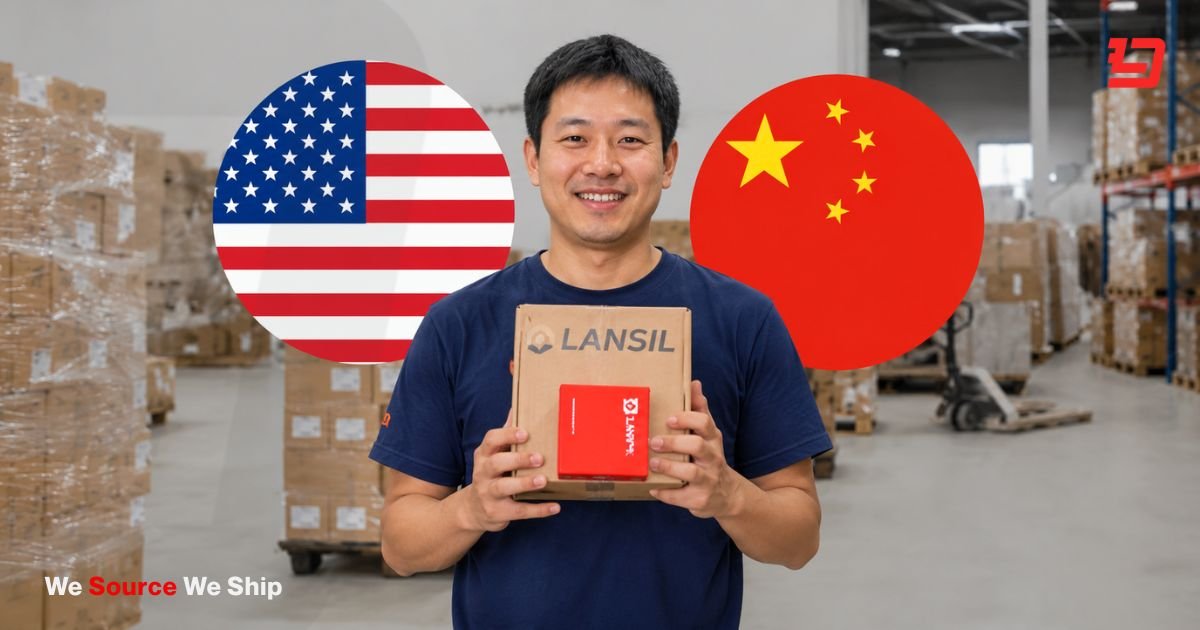
Hybrid fulfillment blends the advantages of China warehousing with the speed of domestic delivery. It allows you to keep part of your inventory in China for factory coordination, production stage restocks, and global customers, while storing the fast moving units in the United States for two to four day shipping and simple returns.
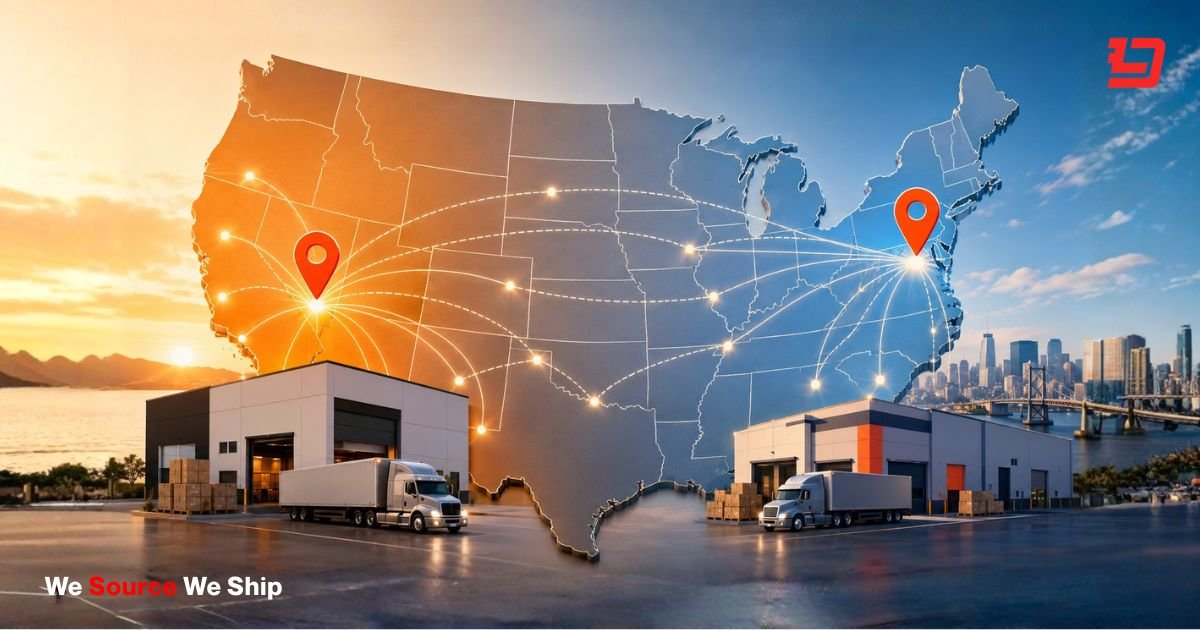
This is exactly how Lansil Global supports growing ecommerce brands. Our China hub manages supplier coordination, quality checks, and worldwide fulfillment, while our Nevada and Pennsylvania warehouses handle U.S. shipping, returns, and customer experience. Everything runs through one partner, one system, and one streamlined cross border operation.
For most scaling brands, hybrid fulfillment becomes the most strategic path. You keep your cost savings from China while giving your core market the fast delivery standards they expect. It strengthens margins, improves repeat purchase rates, and provides flexibility as your product line grows.
If you want clarity on the best setup for your business, Lansil Global can help you design a supply chain strategy that fits your goals and product category.