In 2026, the global logistics landscape has moved beyond the sole pursuit of maximum efficiency, increasingly prioritizing structural resilience. For scaling e-commerce brands and mid-sized companies, the ability to withstand port congestion, regulatory shifts, and geopolitical volatility is the new benchmark for success. This article outlines the critical risks of the 2026 supply chain and provides a blueprint for building a risk-resistant fulfillment model.
Key Pillars of 2026 Supply Chain Resilience
- Diversified Routing: Avoid reliance on single ports or carriers to bypass strikes and congestion.
- Hybrid Fulfillment: Combine China-direct shipping with US-local inventory to balance cost and 2-day delivery speed.
- Compliance Readiness: Adapt to the 2026 Amazon FBA prep policy changes by utilizing third-party prep services.
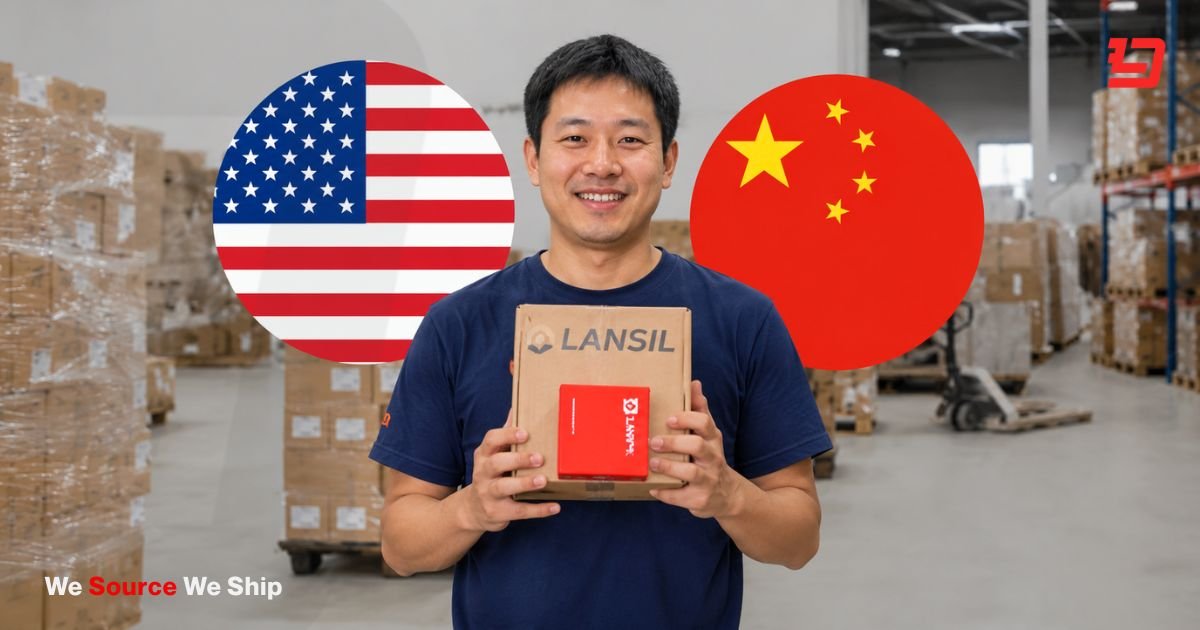
- Multinational Footprint: Partner with a 3PL that operates dual-node networks in both China and the US, such as Lansil Global.
Navigating the Real Risks of the 2026 Logistics Landscape
In 2026, supply chain disruptions are no longer isolated incidents; they are persistent pressures that require proactive management.
1. Port Congestion and Labor Volatility
Port strikes and labor shortages create ripple effects, as seen during the U.S. East Coast dockworker strike in 2025. Even brief work stoppages result in weeks of backlog, delaying inventory arrival during critical sales windows. Furthermore, the trucking industry faces a persistent shortage of drivers, often exacerbated by new regulatory requirements for commercial licenses, which tightens inland capacity and inflates “last-mile” costs.
2. Geopolitical and Maritime Disruptions
Ongoing tensions in regions like the Red Sea have forced vessels to reroute around the Cape of Good Hope. This adds over 10 days to transit times and significantly increases fuel surcharges and container rates. For brands relying solely on sea freight, these delays can lead to stockouts and lost market share if no backup air freight or local inventory strategy is in place.
3. The 2026 Amazon FBA Policy Shift
A major regulatory milestone occurs on January 1, 2026: Amazon FBA fulfillment centers will cease providing prep services for individual items (such as labeling, bagging, or bundling). Shipments that arrive without proper pre-processing risk being rejected, returned, or destroyed. This shift places the burden of compliance entirely on the seller before the goods reach the Amazon network.
Strategic Countermeasures: The “Just-in-Case” Playbook
To maintain order flow in 2026, growing brands are transitioning from “Just-in-Time” (JIT) to a “Just-in-Case” (JIC) model, prioritizing inventory availability over minimal holding costs.
1. Implementing Hybrid Fulfillment Models
One of the most effective ways to hedge against risk is the hybrid fulfillment approach. This model splits inventory between a China-based warehouse and a US-local fulfillment center.
- US Local Inventory: High-demand SKUs are stored in the US to ensure 2-day or 3-day delivery to core customers.
- China Direct Shipping: Long-tail SKUs or international orders are fulfilled directly from China, reducing US storage fees and allowing for a wider product catalog.
2. China Plus One: Sourcing Diversification
While China remains the global manufacturing hub, resilient brands are adopting a “China Plus One” strategy. By sourcing components or finished goods from alternative regions like Vietnam or Mexico alongside their primary Chinese factories, businesses can mitigate the impact of sudden tariff hikes or trade policy changes.
3. Proactive Inventory Management and Buffer Stock
Scaling brands should aim to have their Q4 holiday inventory arrive in US warehouses by September. This early preparation buffers against the inevitable freight spikes and port delays that occur during the peak season. Utilizing AI-driven forecasting tools helps determine the optimal “reorder point” based on real-time transit data rather than historical averages.
Lansil Global: Your Multinational “Plan B” for Supply Chain Continuity
A risk-resistant supply chain requires a partner with a physical presence at both ends of the shipping lane. Lansil Global provides the infrastructure and expertise needed to navigate the complexities of 2026.
1. Dual-Node Network: US and China Warehousing
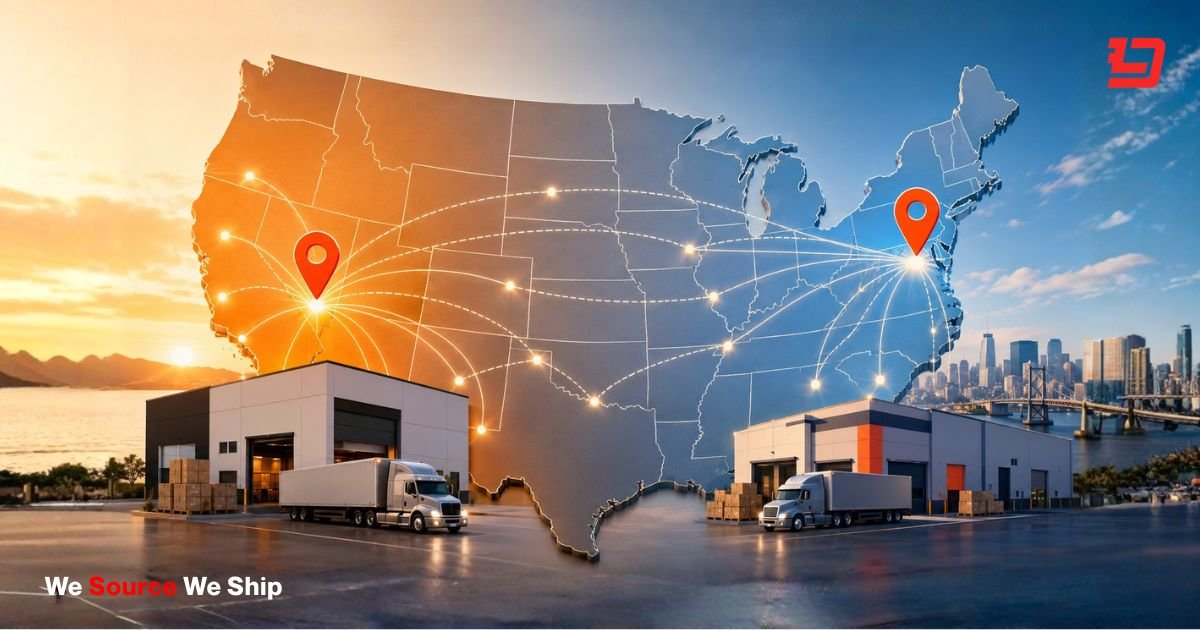
Lansil Global operates an integrated network with an operations center in Shenzhen and strategic warehouses in both Nevada (West Coast) and Pennsylvania (East Coast). This dual-coast US presence ensures that even if one port is congested, goods can be rerouted to the other side of the country to maintain a 2-4 day delivery standard across the continental US.
2. Solving the 2026 Amazon FBA Prep Challenge
To address the new Amazon requirements, Lansil Global offers specialized FBA Prep Services. Before your goods ever reach an Amazon center, Lansil’s team handles:
- FNSKU labeling and bagging.
- Kitting and bundling for promotional sets.
- Comprehensive quality control (QC) to prevent returns.
This ensures 100% compliance with Amazon’s 2026 standards, protecting your seller account health and avoiding costly rejections.
3. Upstream Control: Sourcing and QC
Resilience starts at the factory. Lansil Global also acts as a dedicated sourcing agent with access to over 2,000 audited factories. By conducting production-line inspections and pre-shipment quality checks, Lansil ensures that the products you ship are defect-free. This reduces the risk of “reverse logistics” headaches—an essential component of a closed-loop resilient supply chain.
| Feature | Lansil Global Solution | Impact on Resilience |
|---|---|---|
| Warehouse Location | Shenzhen, Nevada, Pennsylvania | Bypasses regional port strikes; enables 2-day delivery. |
| Amazon Compliance | Full FBA Prep & Labeling | Eliminates risk of shipment rejection under 2026 rules. |
| Sourcing Power | 2000+ Audited Factory Network | Reduces single-supplier dependency and quality risk. |
| Financial Flexibility | Up to $1M Credit Lines (60 days) | Eases cash flow during inventory stockpiling periods. |
Optimizing Supply Chain Expenses and Network Agility
Resilience is not just about survival; it is about maintaining profitability while navigating chaos. Optimizing your end-to-end supply chain expenses is a core component of system-wide toughness.
1. Managing Inventory and Shipping Locally
Storing inventory near the end consumer is the most effective way to “inventory and ship locally” while shielding yourself from trans-Pacific shipping spikes. By moving goods in bulk via sea freight during “low-tide” periods and storing them in Lansil’s US facilities, brands can maintain stable shipping costs even when spot rates for air or sea freight skyrocket due to global crises.
2. Reverse Logistics and Relabeling
A resilient supply chain must handle the “backwards” flow of goods. Lansil Global’s US warehouses provide reverse logistics capabilities, including processing returns, inspecting items, and relabeling them for resale. This prevents returned inventory from becoming a total loss and maintains the circularity of the supply chain.
3. Technical Integration for Visibility
Visibility is the antidote to uncertainty. Lansil’s platform integrates seamlessly with Shopify, Amazon, and other major marketplaces. This allows for real-time inventory tracking across all nodes—from the factory floor in China to the final mile in the US—enabling brands to make data-driven decisions when a disruption occurs.
Resilience in 2026 is not about avoiding risks—it is about building a system that can absorb them. By leveraging the multinational footprint of Lansil Global, scaling brands can transform their supply chain from a source of anxiety into a competitive advantage. Whether it is navigating the 2026 Amazon FBA shifts or securing 2-day US shipping during a port delay, a diversified, end-to-end partner is the ultimate “Plan B.”
Ready to upgrade your supply chain for 2026? Explore how Lansil Global can secure your brand’s future!
FAQ: Quick Answers for Supply Chain Resilience
Q: Can Lansil Global achieve 2-day delivery across the whole US?
A: Yes. By utilizing our dual-coast warehouse network in Pennsylvania and Nevada, we can reach the majority of the US population within 2-4 days using standard ground shipping.
Q: How does Lansil help with Amazon’s 2026 FBA rules?
A: We handle all FNSKU labeling, poly-bagging, and compliance checks at our US and China facilities, ensuring your shipments are “Amazon-ready” and avoid rejection.
Q: What is the benefit of a China-based 3PL with US warehouses?
A: It allows for a “Hybrid Fulfillment” model—reducing storage costs in China while maintaining high shipping speeds in the US, providing the best balance of cost and resilience.