Choosing between a third-party logistics provider and self-managed fulfillment is often presented as a simple question of monthly warehouse expense. That comparison misses much of the real cost. A business handling orders internally also pays for labor, storage space, packing materials, software, equipment, supervision, returns, and the capacity needed when order volume suddenly increases.
At Lansil Global, we evaluate the decision by looking at the entire fulfillment operation rather than one invoice. For brands sourcing products in China, the location of inventory adds another variable because moving goods from a factory to an overseas warehouse before the customer places an order creates another stage in the supply chain.
The Warehouse Bill Is Only One Part of Self-Fulfillment
Self-fulfillment can appear inexpensive when the owner already has available space and handles some of the work personally. That changes once the operation becomes a daily logistics function.
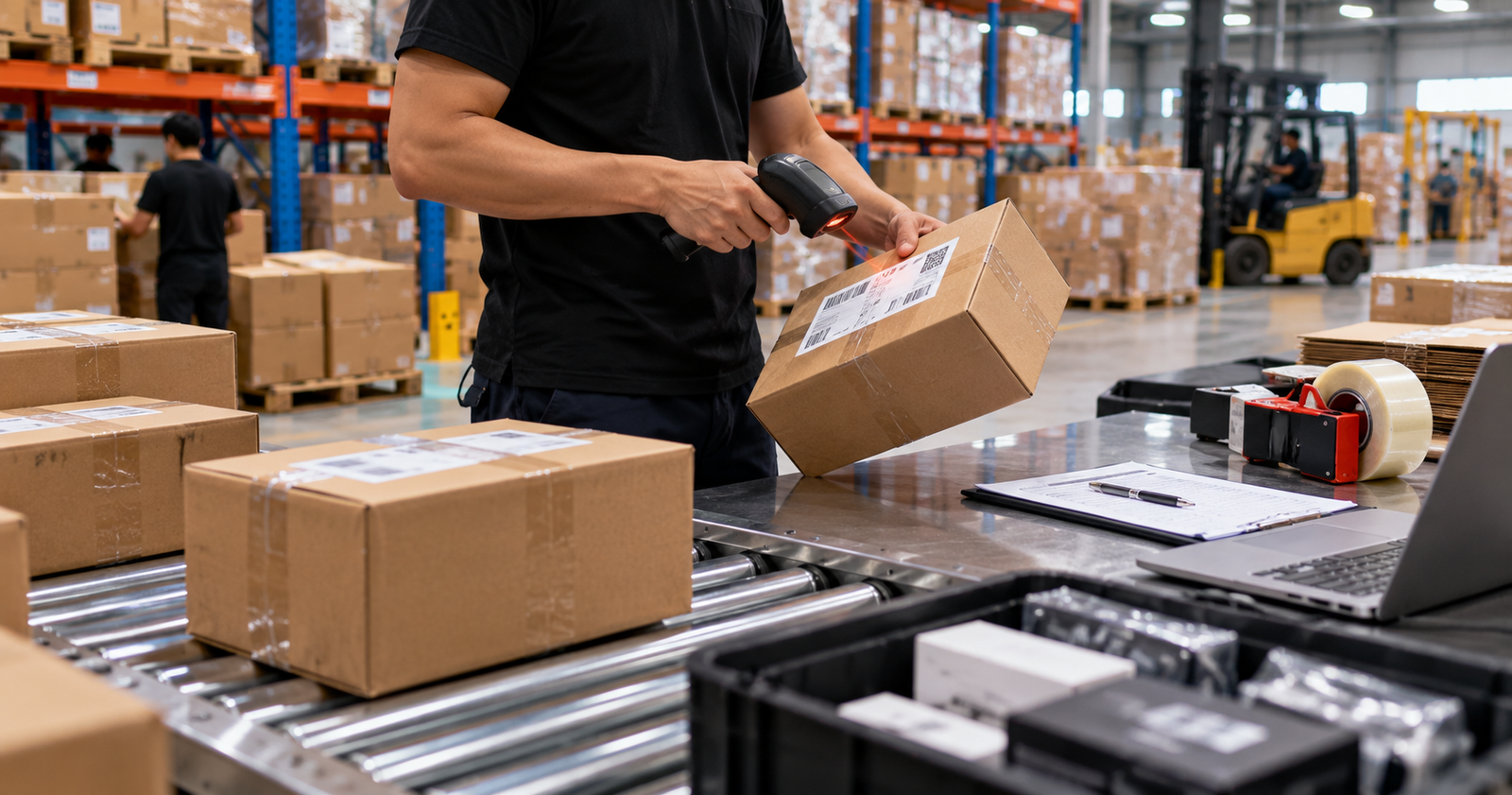
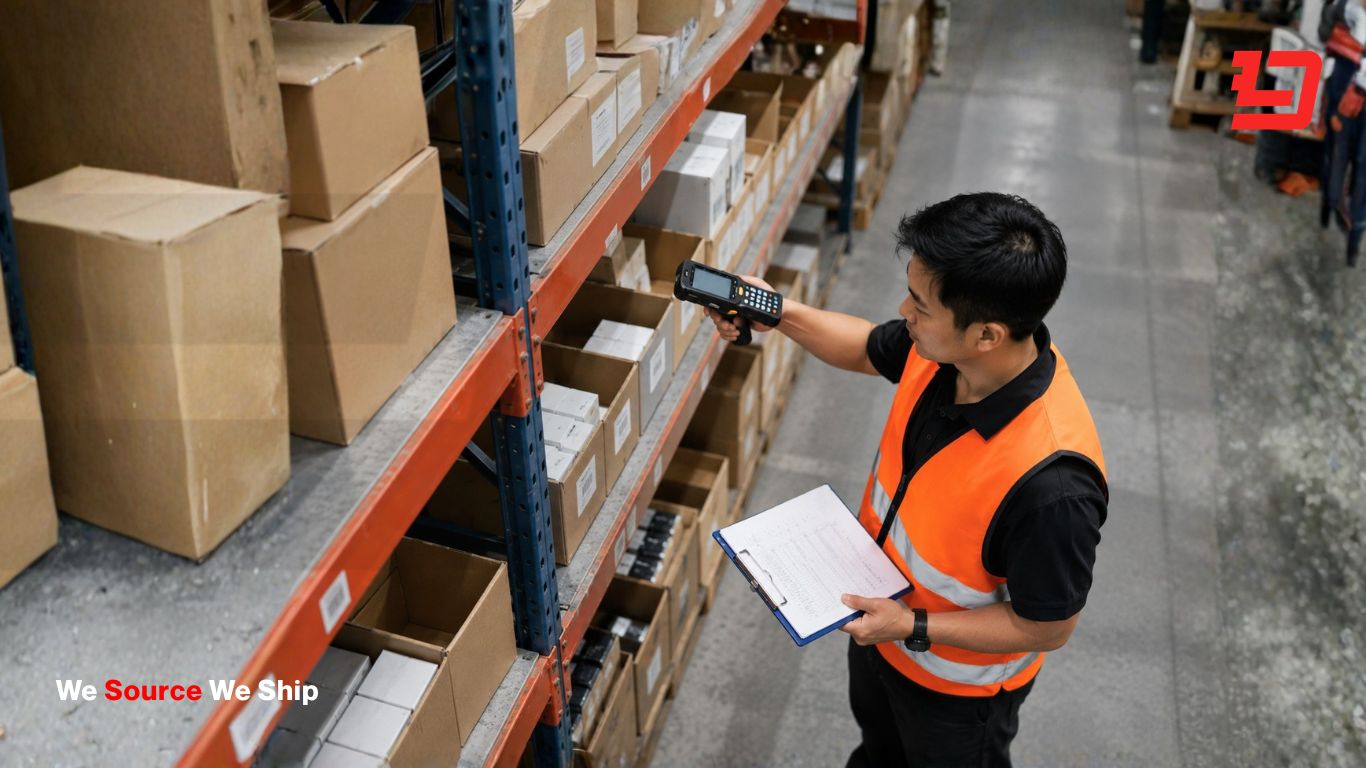
Someone needs to receive inventory, organize SKUs, process orders, pick products, pack parcels, print shipping labels, update stock, handle exceptions, and process returns. Equipment and software may also become necessary as volume increases.
A 3PL order fulfillment provider absorbs much of that operational infrastructure into an outsourced service. Instead of building the entire warehouse operation internally, the brand pays for the activities it uses.
The difference becomes particularly relevant for businesses that experience uneven demand. A warehouse and employee team sized for peak periods can remain underutilized during slower months, leaving the business paying for capacity it does not consistently need.
Labor and Order Volume Change the Calculation
Order volume is important, but consistency matters just as much.
A business processing a small number of predictable orders may be able to manage fulfillment internally with limited resources. Once orders become frequent or fluctuate sharply, staffing becomes harder to optimize. Hiring enough people for promotional periods can leave excess capacity afterward, while understaffing creates delays during spikes.
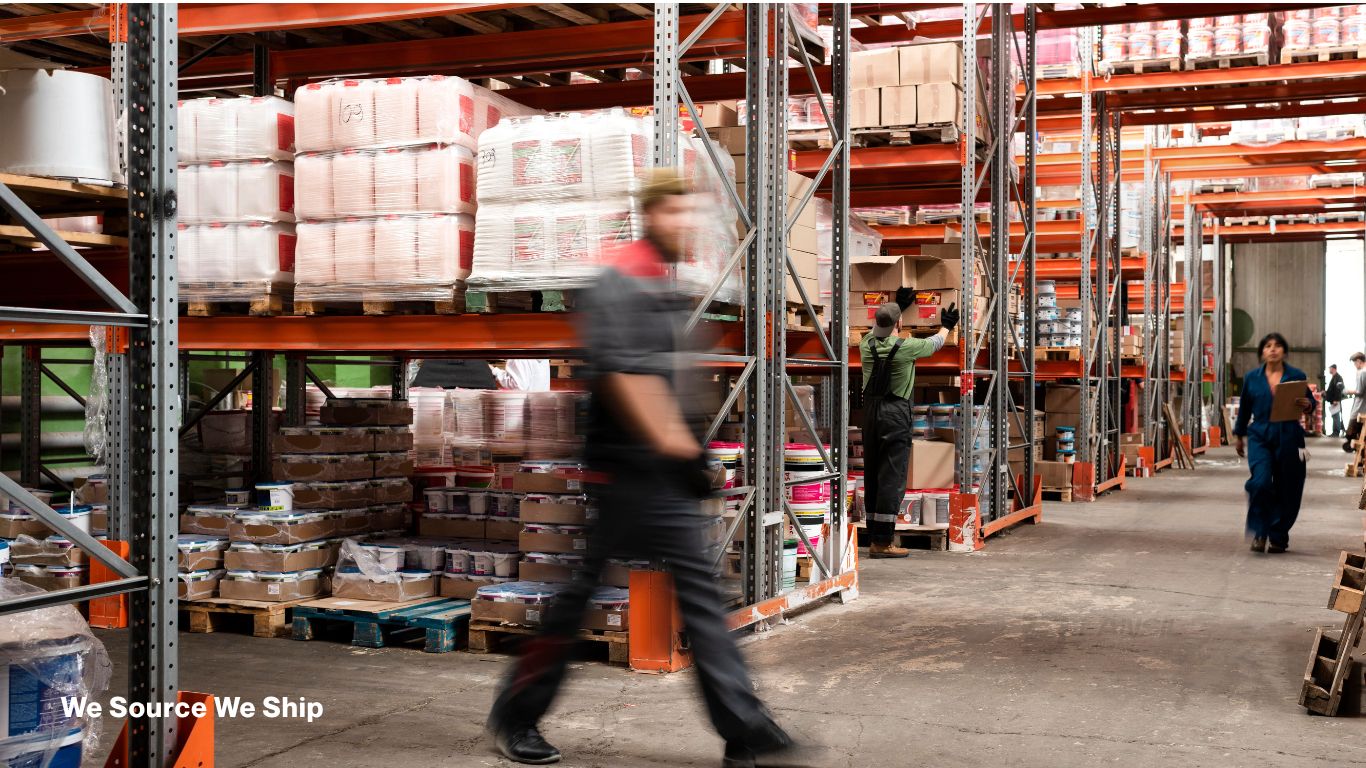
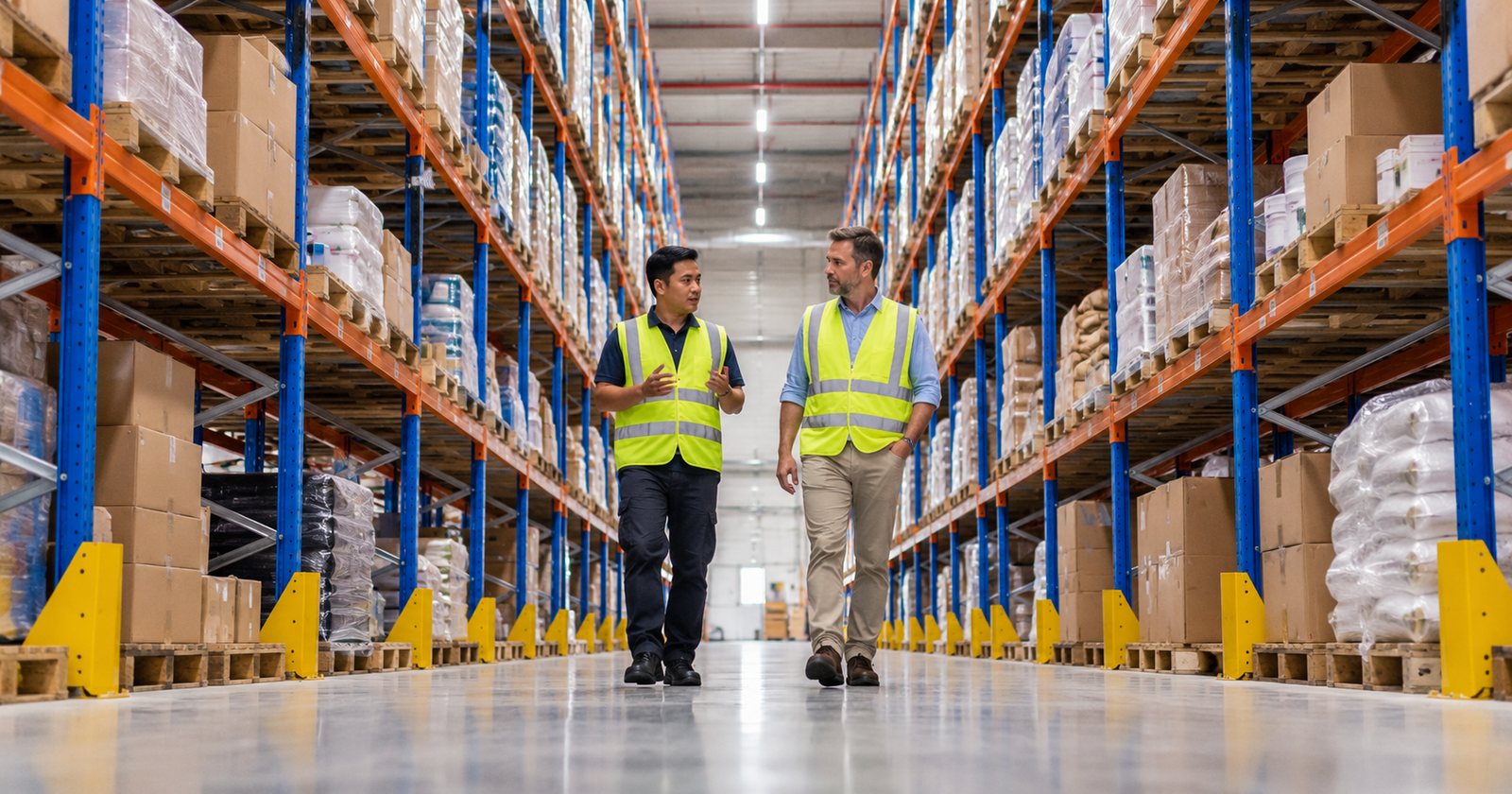
Our 3PL model is designed around this variable workload. The Shenzhen operation handles storage, picking, packing, quality control, and shipping, allowing brands to use an established fulfillment infrastructure rather than building all of those functions themselves.
Technology creates another cost difference. Internal fulfillment requires inventory tracking and order-management processes to be established and maintained by the business. Outsourced operations can provide these capabilities as part of the service, although the exact technology and integration capabilities should always be confirmed before signing an agreement.
China-Based Inventory Can Alter the Fulfillment Equation
For brands manufacturing in China, inventory location can have a major effect on total fulfillment economics.
Sending finished products from a Chinese factory to an overseas warehouse before receiving customer orders adds transportation, handling, and storage stages. Direct China fulfillment removes that intermediate inventory movement for orders that can be shipped internationally from China.
Our Shenzhen facility is located close to manufacturers, ports, and airports, and the fulfillment operation supports storage, packing, quality control, and global shipping. The service states that orders can be shipped from China to more than 171 countries.
That model can be particularly useful for brands selling across multiple international markets. Instead of maintaining separate inventory positions in several countries from the beginning, a business can keep stock closer to production and ship according to actual customer demand.
Delivery speed still matters, however. A local warehouse can provide faster domestic delivery in its market, so direct China fulfillment should not be treated as automatically cheaper for every destination or customer expectation.
Outsourcing Makes Fixed Costs More Variable
The financial appeal of 3PL fulfilment is often less about achieving the lowest possible individual handling charge and more about avoiding infrastructure commitments.
An internal operation may require warehouse rent, shelving, packing stations, labor, equipment, software, utilities, insurance, and management time. Those costs exist even when the day’s order count is low.
A 3PL order fulfillment arrangement shifts more of the expense toward activity-based charges such as storage, pick-and-pack, packaging, and shipping. The provider carries the underlying warehouse infrastructure while the brand pays according to its contracted service structure.
Our fulfillment service also handles returns by receiving products, inspecting them, and following the brand’s instructions for rework, repackaging, or restocking. Keeping this process within the fulfillment network can reduce the need for an internal returns operation.
The trade-off is clear: outsourcing does not make fulfillment free. It exchanges internal operating costs for provider charges.
The Break-Even Point Depends on More Than Order Count
There is no universal order volume at which 3PL suddenly becomes cheaper. The answer depends on the cost structure surrounding each business.
A useful comparison starts by calculating the monthly cost of internal fulfillment: labor, facility expenses, packaging, equipment, software, inventory handling, shipping administration, returns, and management time. Then compare that figure with the complete 3PL quotation, including storage, receiving, pick-and-pack, packaging, shipping, and additional service charges.
Product characteristics also matter. Large, fragile, customized, or multi-SKU products can require more handling and therefore change the economics of either model. Geographic distribution matters too: a business serving customers in many countries may gain more from a centralized China fulfillment model than one serving a single domestic market.
Lansil Global evaluates fulfillment requirements according to factors such as products, destinations, inventory levels, and monthly order volume before recommending a solution.
Self-fulfillment remains reasonable when a business has inexpensive space, manageable order volume, available labor, and a simple product range. Outsourcing becomes more compelling when fulfillment is consuming management time, capacity requirements fluctuate, or inventory is already being manufactured in China.
The most cost-effective choice is therefore not determined by whether a 3PL invoice looks higher than the cost of packing one parcel yourself. We recommend comparing the complete operating cost, including the value of warehouse space, staff time, infrastructure, inventory movement, and scalability.
When a 3PL replaces a fixed internal logistics operation with flexible fulfilment capability, it can become a more cost-effective option for some China-based eCommerce firms, particularly when inventory can remain close to production.