Buying directly from a Chinese manufacturer can remove unnecessary intermediaries, but direct purchasing also puts more responsibility on the buyer. A supplier may look suitable online, offer an attractive quotation, and still fail to meet the requirements once samples or mass production begin.
At Lansil Global, we see the biggest sourcing mistakes happening before the shipment ever moves. Product specifications, supplier verification, sampling, production communication, and quality control all influence whether a direct supplier becomes a reliable long-term partner or creates problems that later spread into the e commerce order process.
Mistake 1: Choosing the Factory Before Defining the Product
One common mistake is searching for a supplier before establishing exactly what the supplier needs to manufacture.
A basic product description may be enough to begin a conversation, but it is rarely enough for a meaningful supplier comparison. Materials, dimensions, finishes, packaging, branding, quantities, and customization requirements can all affect the manufacturer’s quotation and production capability.
The fix is to turn the product idea into a clear sourcing brief before comparing factories. A supplier should receive enough information to understand what the buyer actually wants rather than being asked to interpret an incomplete description.
Our process begins with research and analysis before supplier selection. We use information about the buyer’s requirements to identify suitable factories rather than treating every manufacturer as interchangeable. Our published process states that the team works with a network of more than 2,000 factories and uses a bilingual team in Shenzhen to communicate with suppliers.
That sequence makes supplier comparison more meaningful because factories are evaluated against the same product requirements.
Mistake 2: Treating a Supplier Quote as Proof of Capability
A low quotation can attract attention, but price does not establish whether a factory can consistently produce the required product.
The supplier may understand the product differently from the buyer, lack experience with the requested customization, or provide a quotation based on assumptions that have never been confirmed. Selecting a factory purely because its initial price looks attractive can therefore create larger costs later.
The practical fix is to investigate the supplier behind the quotation. Buyers should examine relevant manufacturing experience, production capabilities, communication, factory conditions, and the supplier’s ability to meet the specified requirements.
Supplier negotiation should also happen after potential manufacturers have been evaluated, not before. Our process combines supplier research with negotiation and product sampling, allowing the commercial discussion to take place alongside a clearer understanding of the proposed product.
A direct relationship with a factory is valuable only when the buyer knows what kind of manufacturing partner is on the other side of the transaction.
Mistake 3: Approving a Sample Without a Production Standard
A sample is useful, but simply saying “approved” is not enough.
Problems can arise when the final production team does not have a sufficiently clear reference for what was approved. Small differences in materials, appearance, construction, packaging, or other specifications can become significant when repeated across a large order.
The fix is to make the approved sample part of a defined production standard. Product requirements should remain clear after sampling, and any revisions should be communicated to the manufacturer before mass production starts.
Our sourcing process places product sampling directly alongside supplier negotiation. The team works with suppliers to ensure they understand product requirements and maintains that communication from the first sample through the finished product.
For a growing brand, this matters beyond the first purchase. A repeatable specification gives future orders a reference point and makes supplier performance easier to evaluate.
Mistake 4: Disappearing After the Purchase Order
Some buyers treat the purchase order as the end of sourcing work. In reality, it marks the point when the supplier has to turn an agreed specification into actual inventory.
Production can create questions that were not visible during supplier selection. Materials may need confirmation, production schedules can change, and deviations may need to be corrected before goods leave the factory.
The fix is continued production communication combined with quality control.
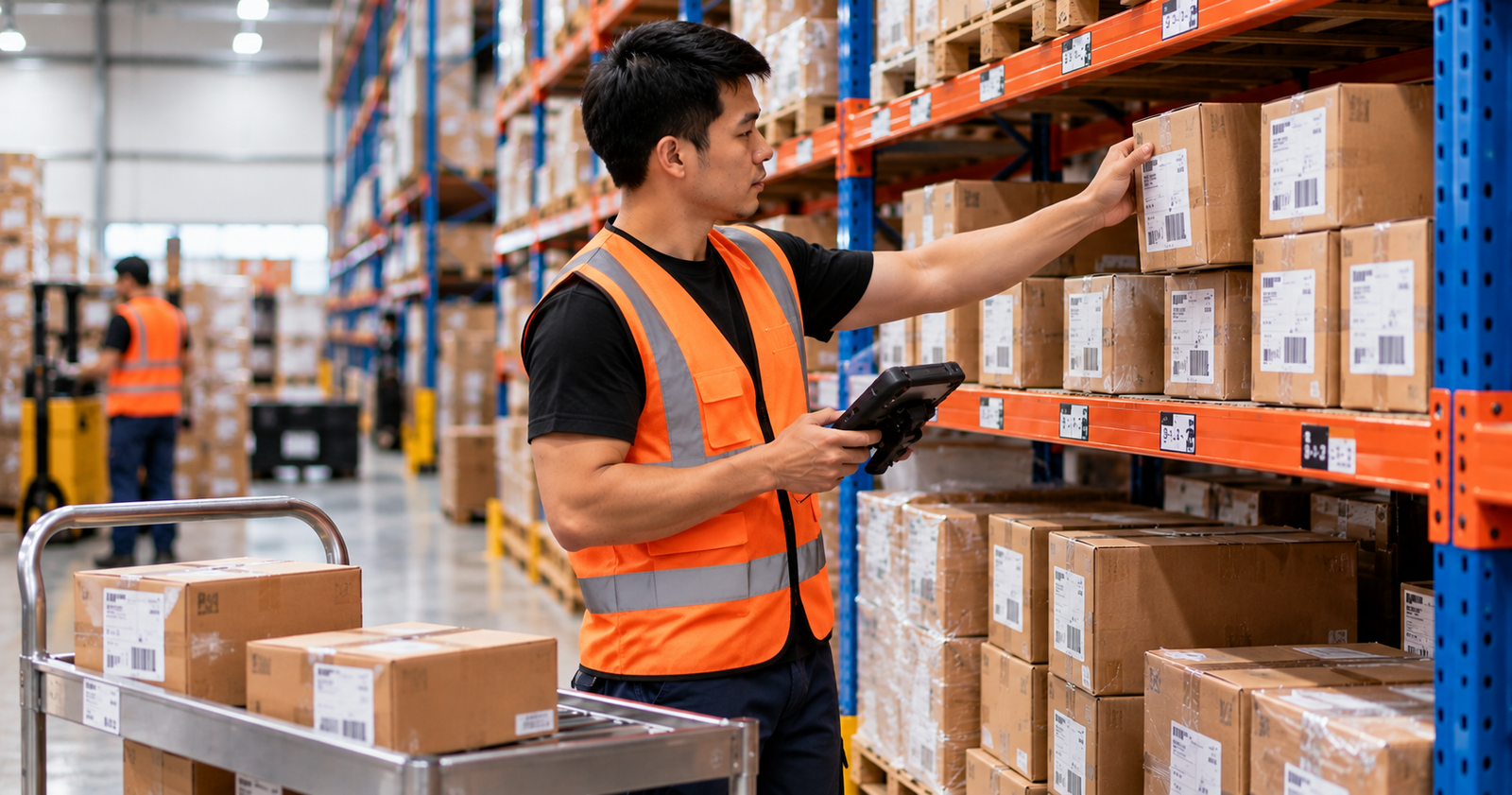
Our manufacturing process includes on-the-ground support during production and an in-house quality-control team that tests products before they leave China. The company also states that quality-control reports are periodically provided to clients and that factories can receive feedback intended to reduce damage on future orders.
That involvement is especially relevant to the eCommerce order process because quality problems discovered after international shipment are harder to correct. Inspection and communication closer to the production source give buyers an opportunity to address problems earlier.
Mistake 5: Separating Supplier Selection From the Delivery Plan
A factory can produce an acceptable product and still be the wrong choice for the buyer’s overall supply chain.
The finished goods eventually need to move from the production line to the customer, an overseas warehouse, or another fulfillment destination. If transportation, warehousing, and inventory handling are considered only after production, the buyer may discover that the chosen supplier arrangement creates unnecessary handoffs or delays.
The fix is to evaluate the supplier together with the intended delivery model.
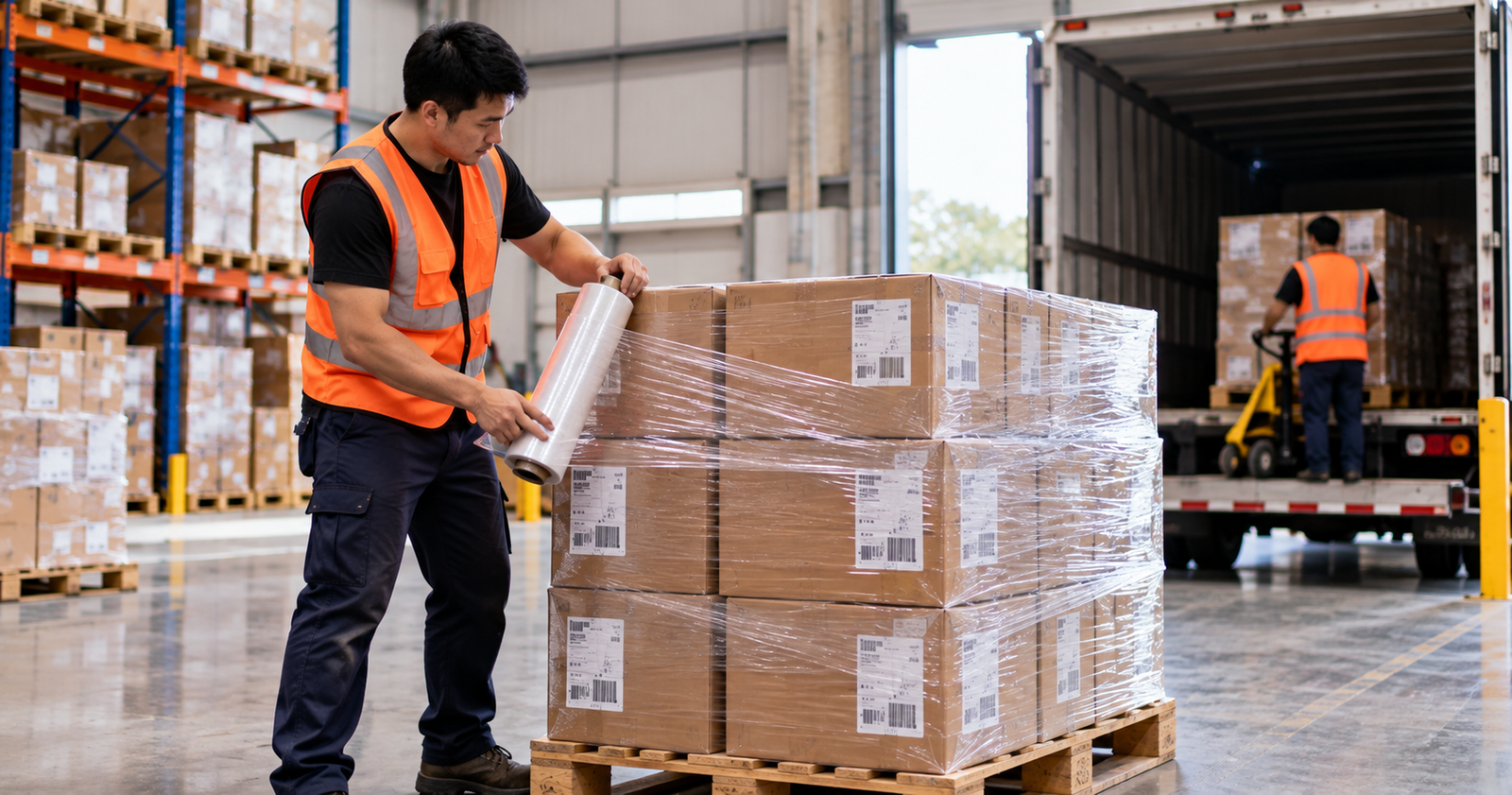
Our process moves from manufacturing and quality control into international shipping, warehousing, and order fulfillment. The Shenzhen warehouse is located close to many Chinese factories and can receive orders from production for sea or air shipment. The company also operates warehouses in China and the US and provides direct China fulfillment and Amazon FBA preparation.
This integrated view is useful because a China direct supplier should not be evaluated only by what happens inside the factory. The supplier relationship ultimately has to support the movement of finished inventory through the rest of the supply chain.
Finding a factory ready to take an order is just the first step in selecting a direct Chinese supplier. An appropriate delivery plan, evidence of supplier capabilities, a controlled sample process, ongoing production oversight, and a well-defined product specification are all necessities for the buyer.
Instead of treating supplier selection as a standalone process, we view it as the starting point of a comprehensive sourcing operation. International shipping, warehousing, fulfilment, quality control, research, supplier selection, negotiation, and sample are all parts of Lansil Global‘s operation.
Direct sourcing becomes a repeatable process for eCommerce brands thanks to this connectivity. Not every sourcing risk can be eliminated by avoiding the five faults mentioned above. However, by doing so, important decisions can be reviewed, corrected, and controlled before they become costly problems down the road.