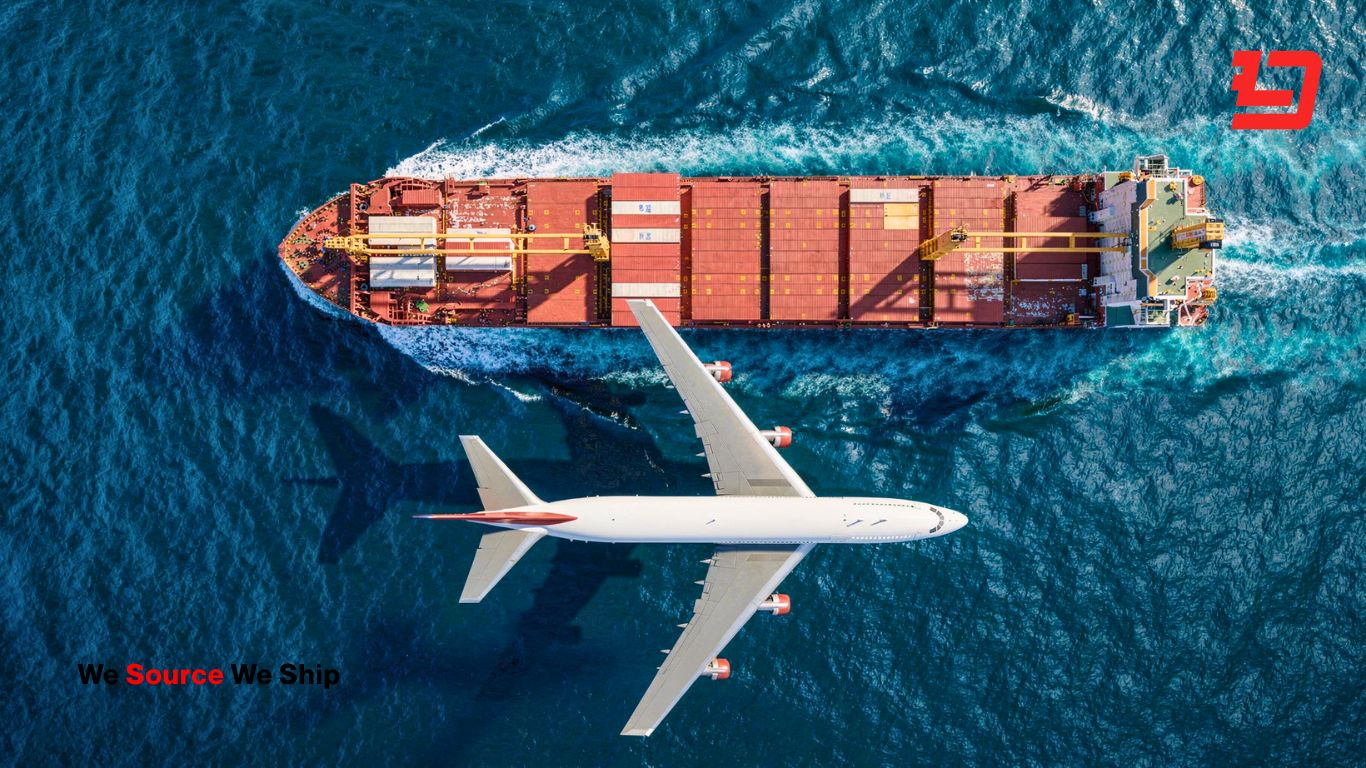
Shipping from China is one of the most important steps in the global ecommerce supply chain. Whether you are restocking inventory, preparing for a new product launch, or shipping seasonal items, choosing the right freight method affects your delivery time, landed cost, and customer experience.
China’s foreign trade in goods saw steady growth in the first eleven months of 2025, according to China’s General Administration of Customs. This shows how important China remains in global shipping and why ecommerce brands must understand the differences between sea freight and air freight before making decisions.
If you want a deeper look at how 3PLs support ecommerce logistics, you can read our main 3PL guide for ecommerce.
This guide explains the strengths, limitations, and ideal use cases of both china sea freight and china air freight so you can choose the best method for your business.
Understanding Sea Freight and Air Freight From China
Sea freight and air freight are the two main ways ecommerce businesses move inventory from Chinese factories or warehouses to global destinations. They serve different needs.
Sea freight focuses on large volumes, lower costs, and longer transit times.
Air freight focuses on faster delivery, flexibility, and shipments that cannot wait.
Both options can be effective depending on your goals, inventory cycle, and delivery deadlines.
What is Sea Freight
Sea freight is one of the most widely used shipping methods for goods leaving China. It is cost effective, reliable, and suitable for shipments of all sizes. Products are packed into shipping containers and loaded onto cargo vessels that travel across international waters.
Sea freight supports two main formats:
Full Container Load
The entire container is used by one shipper. Best for large shipments with stable demand.
Less Than Container Load
Your cargo shares container space with other shippers. Ideal for smaller or growing businesses.
Sea freight is known for stability and affordability, especially for heavier or bulk shipments. While it has longer transit times, the cost savings are significant.
What is Air Freight
Air freight uses aircraft to move goods from China to other countries quickly. It is much faster than sea freight and is common for time sensitive products, smaller shipments, and high value goods.
Air freight is usually divided into:
General Cargo
Standard items such as electronics, fashion, packaged goods, and most ecommerce products.
Special Cargo
Items that need temperature control, extra protection, or specific handling.
Air freight offers strong security, predictable transit times, and reliable schedules. Although more expensive, it provides unmatched speed for urgent or fast selling inventory.
Sea Freight vs Air Freight: Key Differences
Choosing the right method depends on four main factors: delivery time, cargo size, budget, and product type.
Timeline
Air freight is much faster.
Most shipments arrive within five to twelve days.
Sea freight takes longer.
Transit usually ranges from twenty five to forty five days.
Air freight is better for restocks and trending items.
Sea freight is better for bulk and planned shipments.
Sea Freight vs Air Freight: Quick Comparison Table
| Category | Sea Freight | Air Freight |
|---|---|---|
| Delivery Speed | Slow. Usually 25 to 45 days depending on route and season | Fast. Usually 5 to 12 days depending on destination |
| Best For | Large and heavy shipments, bulk orders, planned inventory | Medium sized shipments, fast restocks, lightweight items |
| Cost Level | Lower cost. Best for cost control | Higher cost. Best for urgent needs |
| Capacity | Very high. Suitable for container loads | More limited. Best for smaller cubic volume |
| Reliability | Stable but can be affected by port activity | More predictable delivery windows |
| Ideal Use Cases | Seasonal stock, warehouse replenishment, long term planning | Trending SKUs, fast selling items, new launches |
Amount of Cargo
Sea freight handles large volumes with ease. It is ideal for pallets, containers, and heavy products.
Air freight is ideal for smaller batches or lightweight items that require quick movement.
Budget
Sea freight is the most affordable method.
It is the best option for controlling costs, especially for heavy goods.
Air freight is more expensive.
The cost increase is due to limited space, faster movement, and aircraft fuel.
When to Use Sea Freight
Use sea freight when:
- You want the lowest cost per unit
- You are shipping bulk or heavy items
- You have time for longer transit
- You are preparing seasonal or planned stock
- You need stable container capacity
- Your products are not urgent or trending
Sea freight is the right choice for long term inventory planning.
When to Use Air Freight
Use air freight when:
- You need fast delivery
- You are restocking fast selling items
- You are shipping small or medium sized batches
- You want predictable delivery windows
- Your products are lightweight or high value
- You are preparing for a launch with a tight timeline
Air freight is ideal for ecommerce brands that need speed and flexibility.
Which Freight Method Is Better for Ecommerce
Both methods are important, and many brands use a mix of the two.
A balanced strategy looks like:
- Sea freight for base inventory
- Air freight for fast selling or time sensitive stock
- Express air for samples or urgent micro shipments
This approach keeps costs low while protecting delivery speed.
Choose sea freight if cost is your priority and you have time.
Choose air freight if speed is your priority and you need consistency.
The best choice depends on your product, your inventory cycle, and your customer expectations.
Do you need help improving your China freight process? You can send us a note and our team will walk you through how we can support your brand. You can also explore Lansil Global’s full list of services to see how we help ecommerce brands move products faster and stay efficient during every season. scale with confidence.