Small e-commerce businesses often reach a point where storing inventory, processing orders, packing parcels, and arranging deliveries begin to consume too much operational time. Choosing the right fulfillment model can help businesses organize these activities without building an extensive in-house logistics operation. For small brands, the practical question is not simply which provider is largest, but which service structure matches their products, sales channels, order patterns, and target markets.
What Small Businesses Should Expect from Fulfillment Services
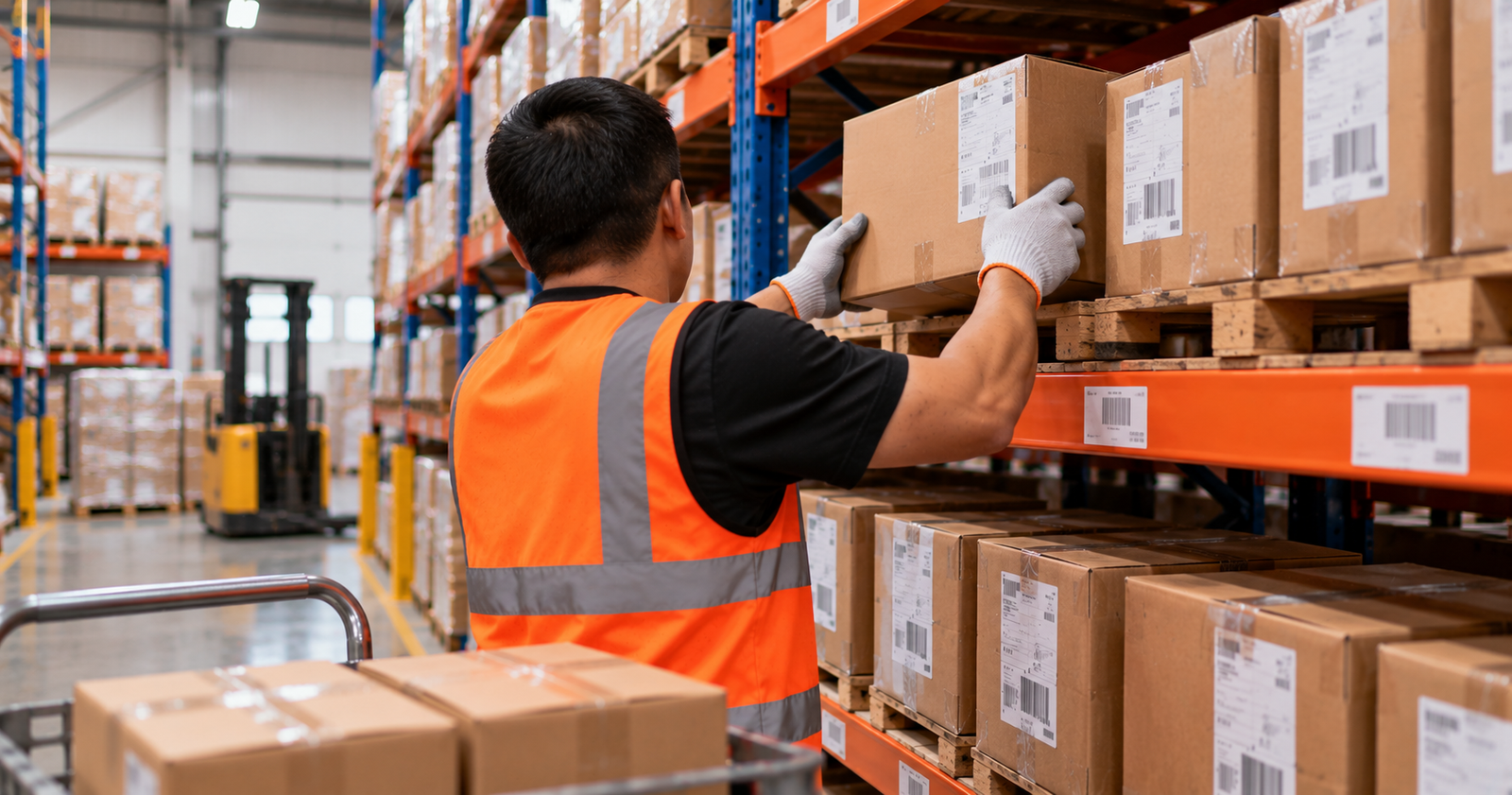
A fulfillment service typically covers several operational stages after products become available for sale. These may include inventory receiving, storage, picking, packing, shipping, tracking, and returns. The exact scope differs between providers, so small businesses should examine the complete workflow rather than compare only shipping prices.
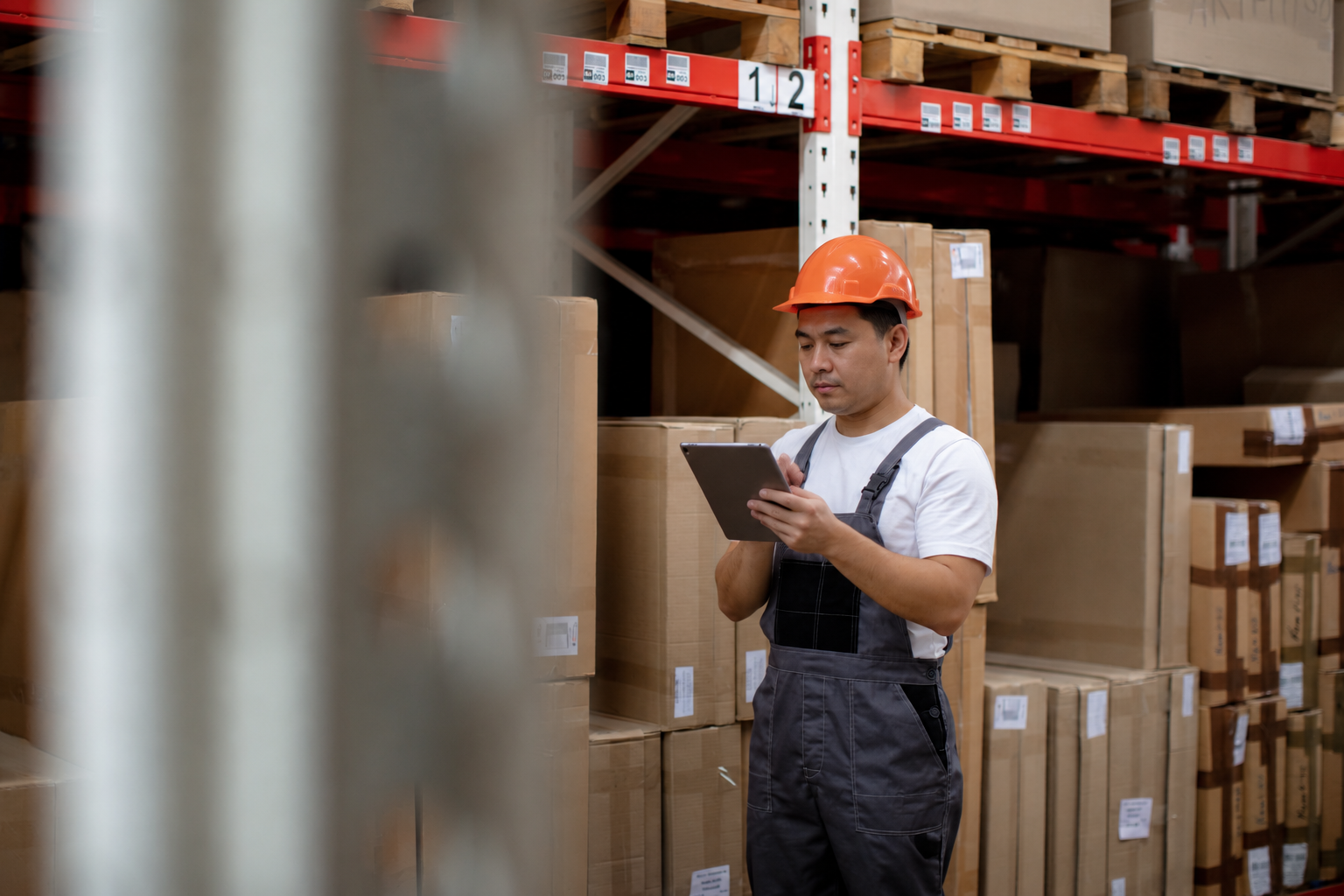
A suitable ecommerce fulfillment partner should also fit the way a business actually sells. Integration with e-commerce platforms can reduce manual order entry, while inventory visibility can help merchants coordinate purchasing and replenishment. For businesses selling through multiple channels, compatibility with those channels becomes an important operational consideration.
China-Based Fulfillment for Sourcing-Oriented Brands
Businesses that source products from China may consider fulfillment located closer to their manufacturing and supplier network. Keeping products near the production side of the supply chain can simplify the movement from sourcing and manufacturing into warehousing and fulfillment.
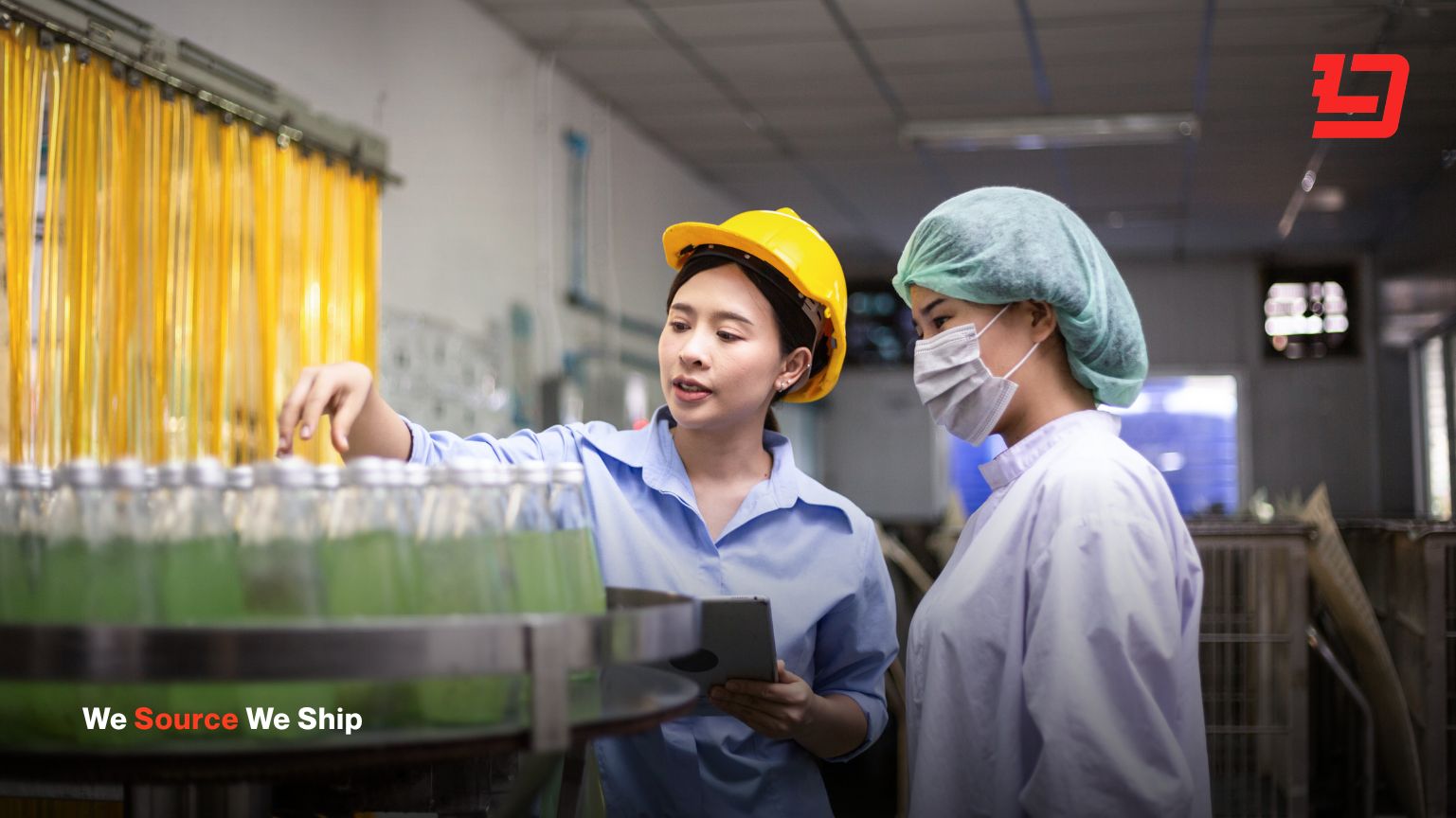
This model can be particularly relevant when product sourcing and logistics need to be coordinated. Instead of treating purchasing, quality control, storage, and shipping as completely separate processes, businesses can evaluate whether one provider can connect several stages of the supply chain.
U.S. Fulfillment for Domestic Customer Orders
For small businesses whose customers are concentrated in the United States, domestic warehousing can provide a different operational structure. Inventory can be positioned closer to the customer market, reducing the need to dispatch every order internationally.
When comparing B2B order fulfillment services, businesses should examine where inventory is stored, which destinations are supported, how returns are handled, and whether the provider can accommodate their sales channels. These details often matter more than a headline fulfillment fee because they affect the entire order process.
Amazon FBA Preparation as a Separate Requirement
Selling through Amazon introduces preparation requirements that differ from ordinary direct-to-consumer fulfillment. Products may need inspection, labeling, packaging, and shipment to designated Amazon fulfillment centers before entering the marketplace’s fulfillment network.
Small businesses using Amazon should therefore distinguish between standard third-party fulfillment and FBA preparation. A provider that supports both functions may reduce the number of logistics relationships a growing brand needs to coordinate, although businesses should still verify the specific preparation services included.
How to Compare Fulfillment Costs Properly
Fulfillment pricing can involve several components rather than one simple per-order charge. Businesses may encounter storage, receiving, picking, packing, shipping, returns, special handling, and other service fees depending on the provider and product requirements.
We recommend comparing providers using the same order profile. Product dimensions, destination mix, packaging requirements, average order composition, and expected inventory levels should all be considered when reviewing quotations. This creates a more useful comparison than focusing on a single advertised rate.
Inventory and Returns Need Equal Attention
Order fulfillment does not end when a package leaves the warehouse. Inventory accuracy, damaged products, returned orders, and restocking procedures can all influence operating efficiency and customer service.
For small businesses, a clear returns workflow is especially useful because internal teams may not have dedicated personnel for inspecting and processing returned goods. Before selecting a provider, merchants should ask how returned products are received, recorded, inspected, repackaged, or returned to available inventory.
Matching Fulfillment Infrastructure to Business Size
The best fulfillment arrangement for a small business depends on its operating model rather than its size alone. A startup sourcing from China may prioritize supplier coordination and international fulfillment, while a U.S.-focused merchant may place greater emphasis on domestic inventory and returns.
We can see this distinction in Lansil Global’s supply-chain model. Established in Hong Kong in 2015, the company describes its services around China sourcing and order fulfillment, with fulfillment centers and offices spanning Shenzhen, Nevada, and Pennsylvania. Its listed services include China product sourcing, manufacturing and quality control, direct China fulfillment, U.S. order fulfillment, Amazon FBA preparation, and China global freight.
A Practical Selection Process for Growing Brands
Before signing a fulfillment agreement, we suggest documenting the complete order journey. Start with where products are sourced and stored, then review how orders enter the warehouse, how products are picked and packed, and how shipments and returns are processed.
Next, compare the provider’s geographic coverage and integration options with the business’s actual sales channels. This approach helps identify operational gaps early and avoids selecting a service simply because it appears inexpensive at first glance.
Building a Fulfillment Model That Can Develop with the Business
Small businesses need fulfillment services that correspond with their present requirements while leaving room for operational changes. As product ranges, sales channels, sourcing locations, or customer markets change, warehousing and shipping arrangements may also need to change.
Lansil Global positions itself as an end-to-end supply-chain provider for e-commerce brands, combining sourcing and fulfillment-related services. Its stated network includes Shenzhen, Nevada, and Pennsylvania, allowing its service offering to cover both China-based operations and U.S. fulfillment requirements.
Selecting a fulfillment provider should therefore begin with the actual supply chain rather than a generic list of features. By examining inventory location, order processing, shipping destinations, returns, platform compatibility, and total costs together, small businesses can build a fulfillment structure that is easier to manage and more closely aligned with their commercial needs. Lansil Global offers a combination of China sourcing, manufacturing and quality control, direct China fulfillment, U.S. order fulfillment, Amazon FBA preparation, and global freight services for businesses looking to connect these operational stages through one supply-chain provider.