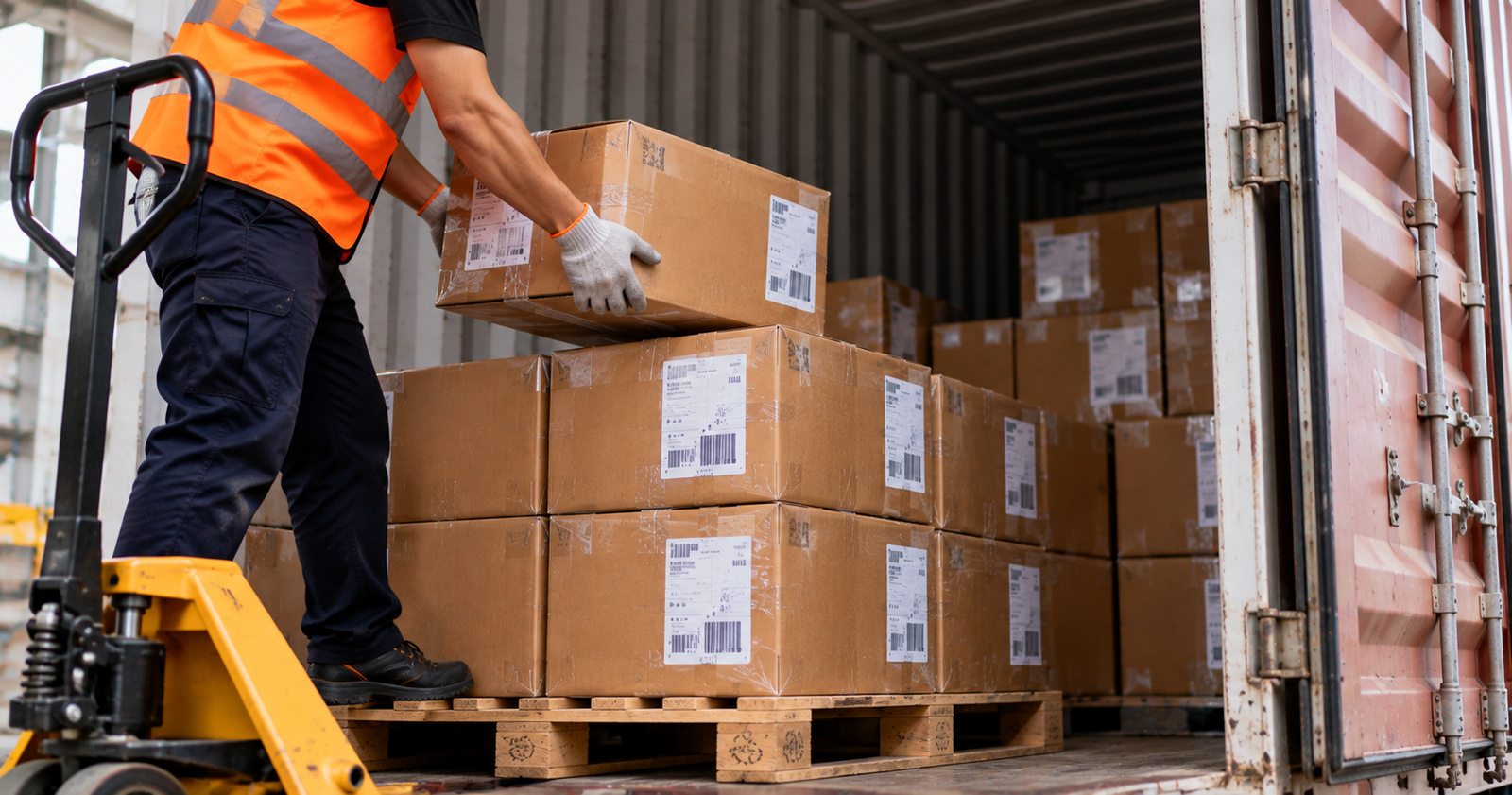
Choosing a logistics model starts with understanding how products move through a business, not simply comparing shipping providers. DTC fulfillment and traditional B2B logistics serve different order structures, inventory patterns, and customer expectations. For companies selling through online channels, the right approach depends on how sourcing, warehousing, order processing, and delivery need to work together.
Start with the Order Structure
The first difference appears in the type of orders being handled. Traditional B2B logistics commonly supports shipments between businesses, where orders may be planned around purchase orders, scheduled deliveries, pallets, or larger consignments.
DTC operations work closer to the individual consumer. The e commerce order process may begin with an online purchase and continue through inventory allocation, picking, packing, shipping, tracking, and returns. This difference affects warehouse workflows.
B2B logistics can be organized around planned outbound shipments, while consumer-facing fulfillment generally requires a process capable of handling many individual orders with different destinations.
How DTC Fulfillment Connects the Supply Chain
A DTC model places fulfillment closer to the end customer’s purchasing experience. Inventory needs to be available where orders can be processed efficiently, while warehouse operations must connect with the systems receiving online orders.
With DTC fulfillment, businesses can organize sourcing, warehousing, and order dispatch as connected stages rather than treating transportation as an isolated function. This structure can be useful for brands selling directly through eCommerce channels. The operational model may also involve multiple fulfillment locations.
Depending on the supply chain, products can move from manufacturing or sourcing locations into warehouses before being dispatched to customers or marketplace destinations.
Where Traditional B2B Logistics Still Fits Traditional
B2B logistics remains relevant when the commercial relationship depends on business-to-business distribution. A manufacturer supplying distributors, retailers, or commercial buyers may have different requirements from a brand shipping individual consumer orders.
Shipment planning can therefore focus on purchase schedules, freight arrangements, receiving windows, and larger inventory movements. The objective is not necessarily to reproduce a consumer fulfillment workflow.
For these businesses, introducing an individual-order fulfillment structure could add unnecessary operational steps. The logistics model should reflect how customers actually place orders and how products are received.
Sourcing Changes the Fulfillment Equation
Fulfillment decisions should also consider what happens before inventory reaches the warehouse. A logistics provider that only handles transportation may leave sourcing, supplier communication, sampling, manufacturing coordination, and quality control with the business.
A more connected supply chain can combine these stages. Lansil Global describes a process covering China sourcing, supplier negotiation and sampling, manufacturing, in-house quality control, international shipping, warehousing, and order fulfillment. This matters because fulfillment performance is influenced by upstream decisions. Product specifications, supplier coordination, quality checks, and inventory movement all affect what eventually becomes available for customer orders.
Inventory Location Matters
Warehousing is another major point of comparison. Traditional B2B distribution may position inventory according to wholesale customers, distribution networks, or planned freight movements.
DTC operations often require inventory to be positioned with individual order dispatch in mind. A warehouse needs to receive products, store them appropriately, process orders, and coordinate outbound shipments according to the sales channel.
A distributed warehouse structure can serve different purposes depending on the market. Lansil Global states that it operates warehouses in China and the United States, with U.S. facilities supporting order fulfillment, inventory management, Amazon replenishment, and returns.
Quality Control Has a Different Role
Quality control should not be separated completely from logistics planning. When products are shipped directly to customers, problems identified after dispatch can create additional handling, returns, and replacement requirements.
For this reason, inspection before products leave the manufacturing country can become part of the wider supply chain process. Lansil Global’s stated workflow includes an in-house quality control stage before international shipping, with quality reports provided during the process.
Match the Model to Your Sales Channel
The comparison may be more useful when it considers which workflow better aligns with a company’s sales channel and operating needs.
A business centered on wholesale accounts may prioritize shipment planning, freight coordination, and predictable inventory transfers. An online brand serving individual customers may place greater importance on order processing, warehouse connectivity, returns, and flexible delivery options.
Businesses can also combine approaches. A company may use B2B logistics for wholesale customers while using a DTC structure for its online store, allowing each channel to follow a workflow suited to its order characteristics.
Making the Choice Through Process Design
The decision becomes clearer when we map the complete product journey. We can examine where products are sourced, how suppliers are managed, where quality is checked, where inventory is stored, how orders enter the system, and where final delivery takes place.
For online brands, e commerce order process design should connect commercial activity with physical fulfillment. For wholesale operations, the emphasis may remain on planned freight and business-level inventory movements.
The important point is consistency. A logistics model should reduce unnecessary handoffs and make responsibilities clear across sourcing, warehousing, transportation, and order dispatch.
A Practical Path for Global Operations
Lansil Global presents its services as a connected supply-chain process covering sourcing, manufacturing support, quality control, international shipping, warehousing, and fulfillment. Its stated fulfillment services include direct China fulfillment, U.S. order fulfillment, and Amazon FBA preparation.
For businesses evaluating DTC fulfillment, this type of integrated structure provides a framework for considering fulfillment together with the earlier stages of the supply chain rather than treating the final shipment as a standalone activity.
The appropriate model ultimately depends on order size, sales channels, inventory locations, customer destinations, and the level of operational coordination required. Comparing those factors provides a more practical basis for choosing between DTC and traditional B2B logistics.
A well-designed logistics strategy should follow the way a business actually sells and replenishes products. By mapping the complete supply chain and matching each stage to its operational requirements, we can determine whether a conventional B2B structure, a DTC model, or a combination of both provides the most suitable foundation. Lansil Global supports this broader process through sourcing, manufacturing coordination, quality control, international shipping, warehousing, and fulfillment services.