Global sourcing is becoming more process-driven as ecommerce businesses balance product costs, customization, quality control, and international fulfillment. For many brands, China remains an important manufacturing base because its supplier ecosystem connects product development, manufacturing, packaging, and logistics within one sourcing structure. As we look toward 2026, understanding how this ecosystem works is more useful than relying on simple assumptions about price or production scale.
Why China Remains Relevant to Global Wholesale
The strength of made in China wholesale is closely connected to the depth of its manufacturing ecosystem. Different regions and industrial clusters specialize in different categories, creating access to manufacturers, component suppliers, tooling resources, and logistics providers within connected production networks.
For buyers, this structure can simplify supplier discovery when the right manufacturing cluster is matched with the product category. Shenzhen, for example, has a strong electronics ecosystem, while other Chinese regions are associated with textiles, household goods, hardware, and other manufacturing segments.
From Low-Cost Sourcing to Production Strategy
Wholesale sourcing should not be evaluated through unit price alone. A practical purchasing decision also considers product specifications, sampling, packaging, quality requirements, freight, duties, inventory, and communication.
The broader made in China wholesale model therefore works best when purchasing is treated as part of a supply-chain strategy. Clear specifications help factories quote appropriately, while samples provide an opportunity to verify materials, dimensions, functions, and packaging before larger production commitments.
The Growing Role of Product Customization
Wholesale does not necessarily mean selling identical products across every market. Ecommerce brands increasingly use different levels of customization to create a clearer product identity without developing an entirely new manufacturing system.
This is where white label and private label models become relevant. White-label products generally involve existing products that can be branded with limited customization, while private labeling allows a product to be manufactured and labeled for a specific brand. The appropriate model depends on customization requirements, development resources, and the intended market position.
Supplier Selection Becomes a Core Business Task
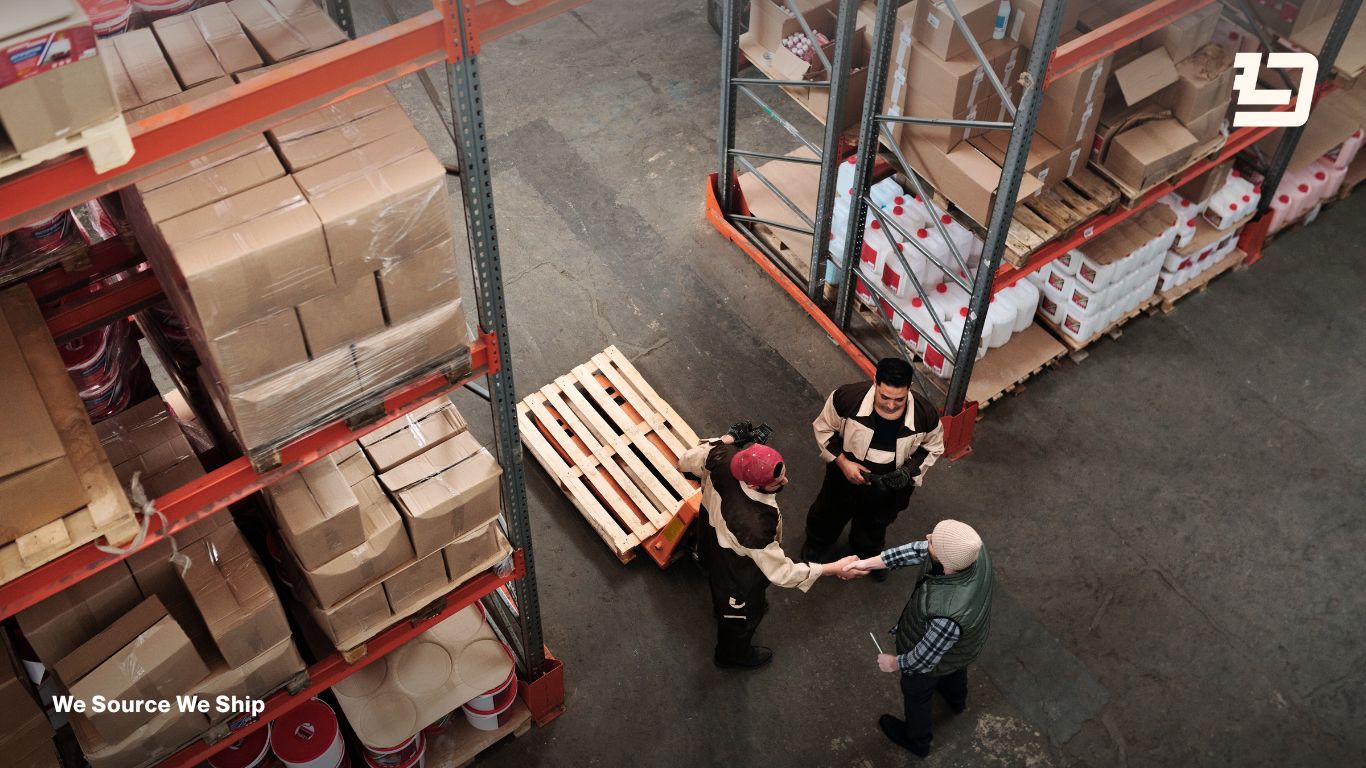
A large manufacturing market also creates a selection challenge. Buyers may encounter factories, trading companies, and suppliers with different production capabilities, export experience, and quality systems.
For made in China wholesale, supplier evaluation should therefore cover manufacturing capability, relevant product experience, sample quality, communication, compliance requirements, and quality-control procedures. Factory verification is especially important before committing substantial purchasing volume.
Quality Control Has to Follow the Product
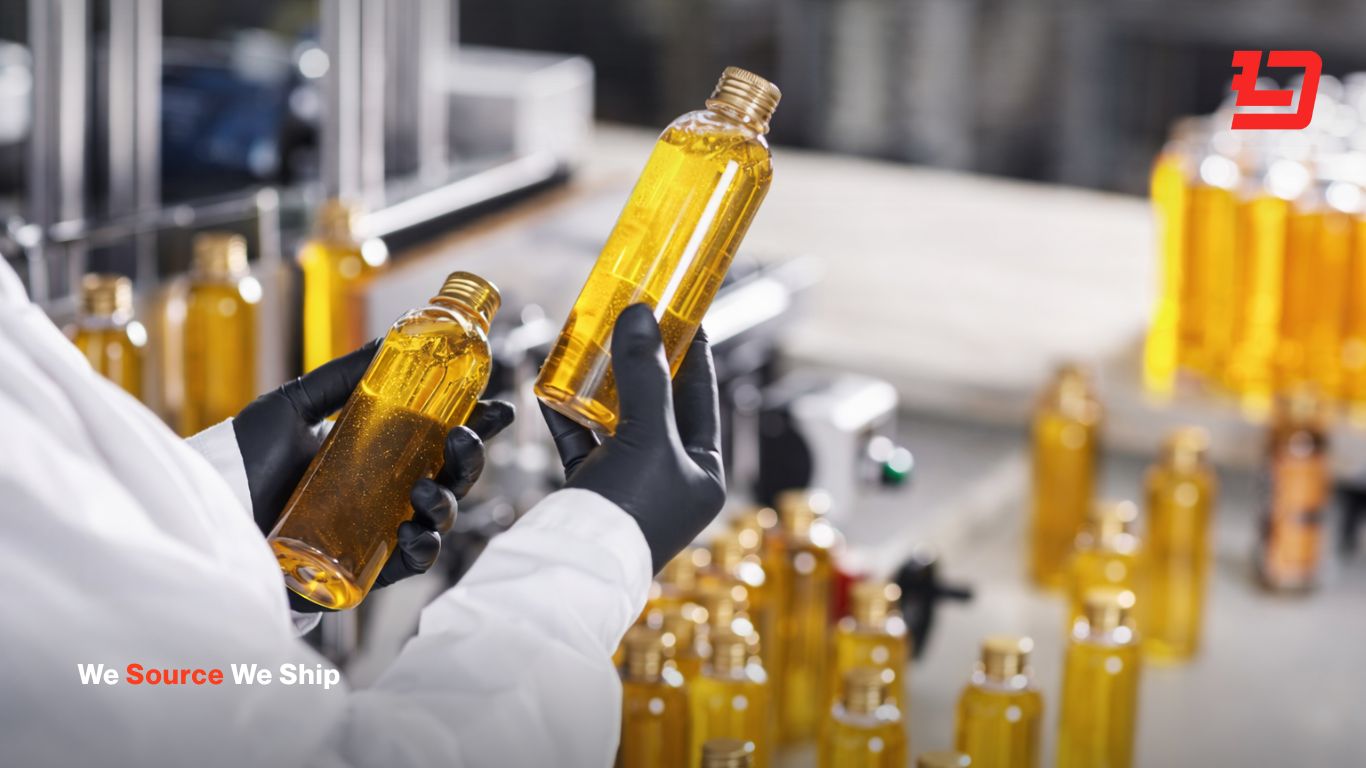
Quality management is not limited to checking finished goods at the end of production. Product specifications should first be communicated clearly, followed by sample review and agreed inspection standards.
For made in China wholesale, this process helps connect what a buyer ordered with what the factory actually produces. Inspections can cover product details, packaging, labels, and barcodes, while documented quality findings can help suppliers understand requirements for later orders.
Logistics Changes the Wholesale Equation
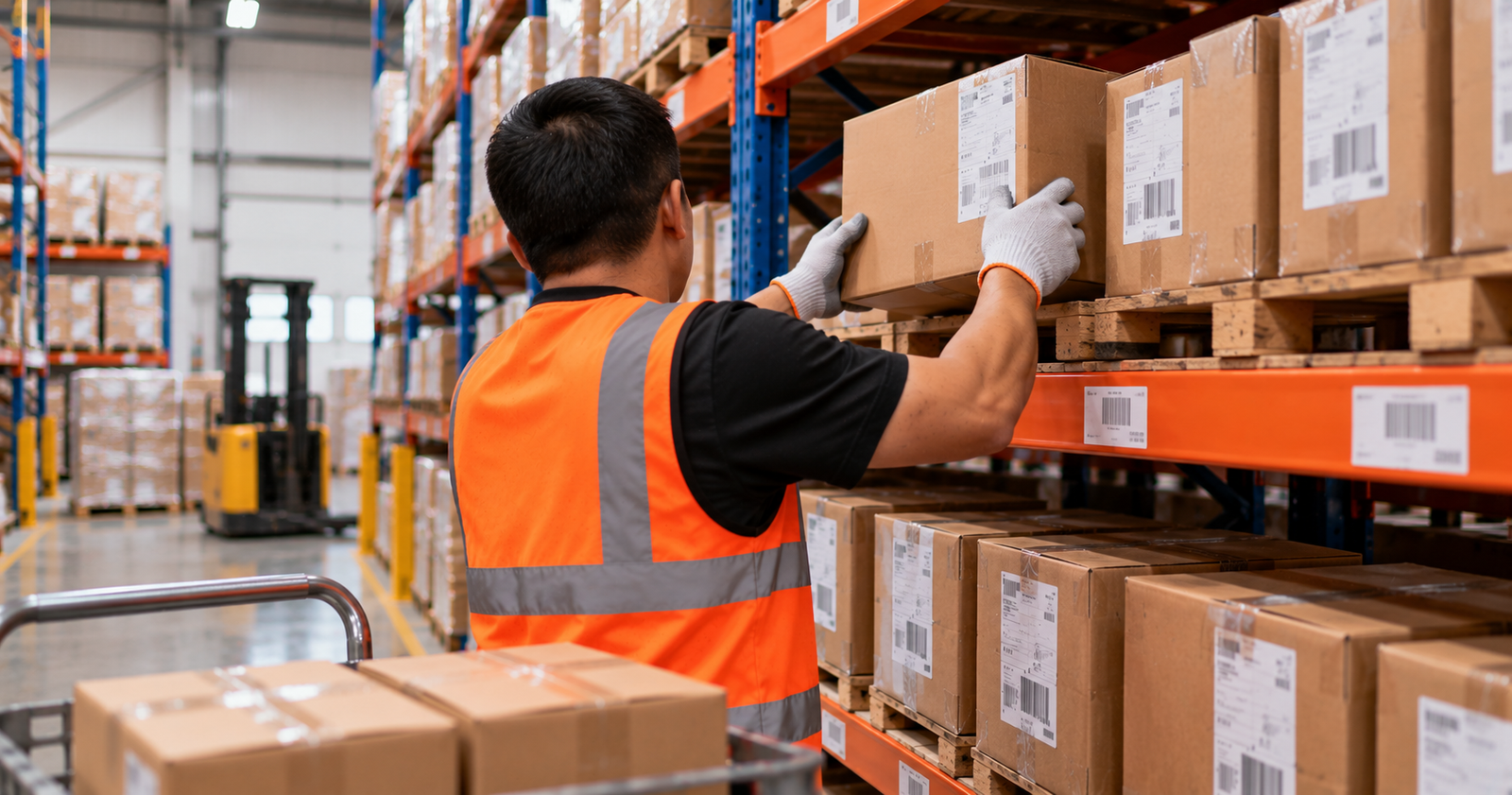
Manufacturing is only one stage of international wholesale. Once goods leave the factory, transportation, warehousing, customs requirements, inventory planning, and final delivery influence the actual economics of a sourcing decision.
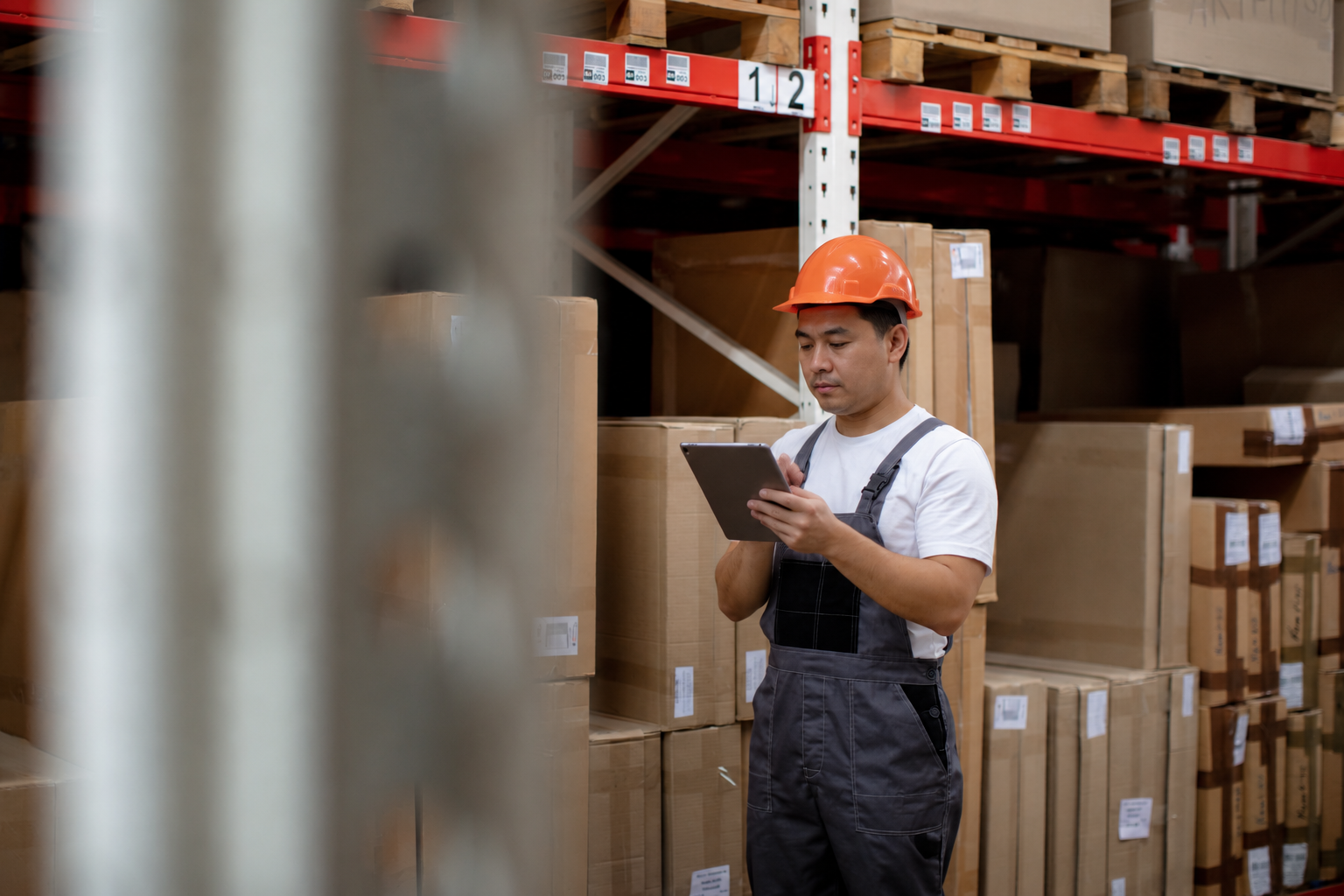
A made in China wholesale strategy can therefore benefit from coordinating manufacturing with freight and fulfillment rather than treating them as completely separate activities. China-based fulfillment infrastructure can also allow products to move from production into storage, packing, and international shipping through a connected process.
What 2026 Buyers Should Examine
The relevant question for buyers is not simply whether China can supply a product. They should examine whether a particular supplier can meet their specifications consistently and whether the complete sourcing process fits their sales model.
For made in China wholesale, useful checkpoints include supplier verification, samples, production oversight, packaging requirements, landed-cost calculations, freight planning, and contingency options. This approach makes sourcing decisions more measurable and reduces dependence on assumptions about manufacturing alone.
Linking Manufacturing With Ecommerce Operations
Modern wholesale operations increasingly connect sourcing with the downstream customer journey. Product discovery, supplier negotiations, manufacturing, quality control, shipping, and fulfillment can influence one another, so gaps between these stages may create avoidable delays or additional handling.
For white label and private label programs, this connection is particularly relevant because packaging, labels, product specifications, and order preparation need to remain consistent throughout the supply chain. A coordinated process can make responsibilities clearer between buyers, manufacturers, warehouses, and logistics providers.
A More Structured Approach to Global Sourcing
The outlook for China-based wholesale in 2026 should be understood through capabilities rather than slogans. China offers a broad manufacturing ecosystem, but buyers still need to select suitable suppliers, define requirements carefully, validate samples, monitor quality, and calculate the complete cost of getting products to customers.
At Lansil Global, we support ecommerce businesses through China sourcing, manufacturing, and quality-control services. Our manufacturing service connects brands with a network of Chinese factories and supports private labeling, white labeling, and ODM manufacturing. We also provide in-house quality control and production oversight before products leave the factory.