A supplier network is easy to describe as a list of factories. Building one that can consistently support eCommerce purchasing is a very different task. A Chinese sourcing agent needs to determine which suppliers fit particular products, which factories can meet commercial requirements, and which relationships are worth developing beyond a single order.
At Lansil Global, we treat supplier vetting as a process that combines supplier research, factory checks, sampling, and purchasing experience. Each factory interaction can produce useful information, but only structured screening, factory evaluation, sampling, and purchasing experience can turn that information into a dependable sourcing network.
A Supplier Network Is Built Through Repeated Decisions, Not Just Contacts
A large supplier database has limited value if nobody knows what each supplier can actually do. Product category, manufacturing capability, order requirements, communication quality, and production expectations all affect whether a factory belongs in a useful network.
That is why a professional sourcing company in China does not necessarily treat every available supplier as an equal candidate. Supplier research starts by matching the buyer’s requirements with the type of factory that can realistically fulfill them.
Our own sourcing process begins with product discovery and supplier analysis. We work with a network of more than 2,000 suppliers and use supplier vetting to identify options that fit specific business requirements rather than simply presenting a large directory.
The distinction becomes important for eCommerce brands because supplier suitability is rarely universal. A factory that works well for a standard product may not be the right choice for customized specifications, private labeling, or a different production volume.
The First Filter Is Whether a Factory Fits the Product
Vetting becomes more useful when the question changes from “Is this supplier legitimate?” to “Is this supplier appropriate for this order?”
A factory may have experience in a broad product category but lack the equipment, materials, production process, or customization capability required for a particular SKU. Matching those capabilities early prevents the buyer from spending time negotiating with unsuitable suppliers.
Commercial requirements matter at the same stage. MOQ, expected pricing, sampling requirements, production timing, packaging, and communication all influence whether a supplier is practical for the intended business model.
A sourcing company in China can compare these factors across multiple suppliers before recommending a shortlist. This creates a more useful network because the underlying supplier information is connected to actual purchasing requirements rather than stored as isolated contact details.
Documents Tell Part of the Story; Factory Checks Fill the Gaps
Supplier documentation can provide an initial layer of confidence, but paperwork alone cannot demonstrate how a factory operates on the production floor. Verification therefore becomes more meaningful when documentary information is combined with direct factory evaluation.
Factory audits can examine whether the supplier’s stated capabilities align with its actual operation. Production resources, processes, and overall suitability can be assessed before a buyer commits to a larger production order.
Our process includes due diligence and factory audits as separate stages of supplier evaluation. The purpose is not simply to collect more information, but to establish whether the supplier can support the requirements identified during the earlier screening stage.
Local presence changes the practicality of this work. Our bilingual Shenzhen team operates close to suppliers, factories, ports, and airports, allowing supplier communication and purchasing coordination to happen closer to the manufacturing source.
Samples Reveal What a Supplier Can Actually Deliver
A supplier can appear suitable during research and still fail to meet expectations once a physical product is requested. Sampling provides a controlled point at which specifications, materials, workmanship, and other product requirements can be assessed before production investment increases.
Sampling also exposes communication problems. If a supplier repeatedly misunderstands a specification or cannot reproduce the required details, that information becomes part of the supplier evaluation.
Our sourcing workflow includes sampling and prototyping before production investment. This gives buyers an opportunity to validate product quality and specifications while there is still room to change suppliers or refine requirements.
For a Chinese sourcing agent, these interactions create knowledge that a simple supplier directory cannot capture. A sourcing team can make better supplier decisions when previous samples, audits, negotiations, and order results are documented and reused.
A Network Becomes Valuable When Supplier Knowledge Accumulates
Supplier networks improve through accumulated experience. After repeated sourcing projects, a sourcing team can distinguish between suppliers based on observed capabilities rather than relying entirely on promotional information.
That knowledge can also become more specific over time. Instead of asking only which factory manufactures a certain product, the sourcing team can consider which supplier has demonstrated suitability for a particular specification, customization requirement, price target, or purchasing situation.
Our broader manufacturing support follows the same principle by combining factory sourcing with production oversight and quality control. The company’s stated process includes supplier research, negotiation, sampling, factory evaluation, and manufacturing support rather than treating supplier introduction as the endpoint.
A mature network therefore behaves less like a contact list and more like an operational knowledge base. Every successful order, failed sample, factory audit, and supplier interaction can improve future sourcing decisions.
What a Vetted Network Means for the Buyer
For an eCommerce brand, the practical benefit of a vetted network is not simply having more factories available. It is reducing the amount of uncertainty that must be resolved from scratch each time a product is sourced.
A capable sourcing company in China can shorten the path between a product requirement and a workable supplier shortlist by combining market knowledge with accumulated supplier information. The buyer still needs to define the product clearly and approve the final supplier, but the research burden can be reduced.
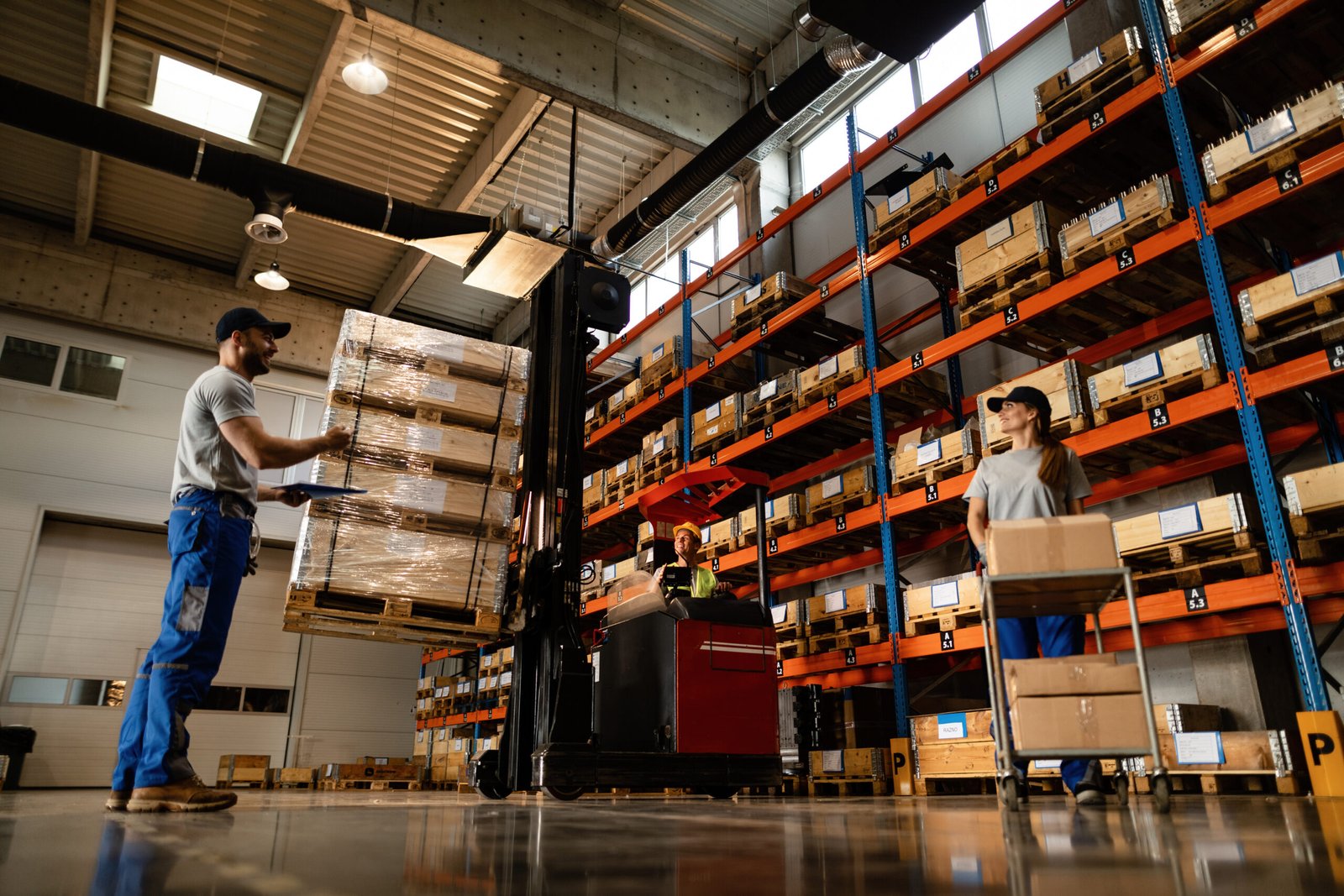
We at Lansil Global have built our sourcing operation around this combination of supplier access, local verification, sampling, purchasing support, and quality control. Our Shenzhen warehouse also supports product inspection, packing, and shipping, extending supplier management into the next stages of the supply chain.
The science of supplier vetting is ultimately less about finding the biggest possible network and more about knowing why each supplier belongs in it. A reliable network develops when factories are screened against real requirements, verified through direct evidence, tested through samples, and evaluated through actual purchasing experience. That accumulated knowledge is what turns supplier access into a repeatable sourcing advantage.