Wholesale growth often creates a financing problem before it creates a production problem. Larger orders require more working capital, while inventory may need to be purchased before revenue is collected. For ecommerce businesses expanding their product lines, sourcing model, or sales volume, access to appropriate credit can therefore affect how quickly purchasing decisions become executable. Lansil Global supports ecommerce supply chains through China sourcing, manufacturing, quality control, and fulfillment services, with flexible credit terms listed among its value-added services.
Why Working Capital Becomes a Scaling Constraint
Wholesale operations usually involve a timing gap between spending and receiving revenue. A buyer may need to pay for production, packaging, freight, or related services before finished inventory reaches the sales channel.
When order volume rises, that gap becomes more significant in absolute terms. Even when demand is established, a business may hesitate to increase purchasing because available cash is tied up in existing inventory.
A credit line can address this timing issue by providing additional purchasing capacity. The important point is not simply having access to more money, but matching financing availability with an operating cycle.
A $1M Credit Line Changes Purchasing Capacity
A $1M credit line, when actually available under agreed terms, can give a qualified wholesale operation more room to manage inventory commitments. It does not automatically create profit or guarantee that every order should be increased.
Instead, the facility can separate some purchasing decisions from immediate cash availability. A business can evaluate expected demand, supplier lead times, inventory requirements, and repayment timing before deciding how much credit to use.
This distinction matters because responsible financing should support an existing commercial plan rather than replace one. The credit amount is a resource, while purchasing discipline determines how that resource is deployed.
Connecting Financing With China Manufacturing
Manufacturing relationships also influence how effectively working capital can be used. For businesses pursuing made in China wholesale, supplier selection, production coordination, quality control, and delivery planning all affect the timing of inventory investment.
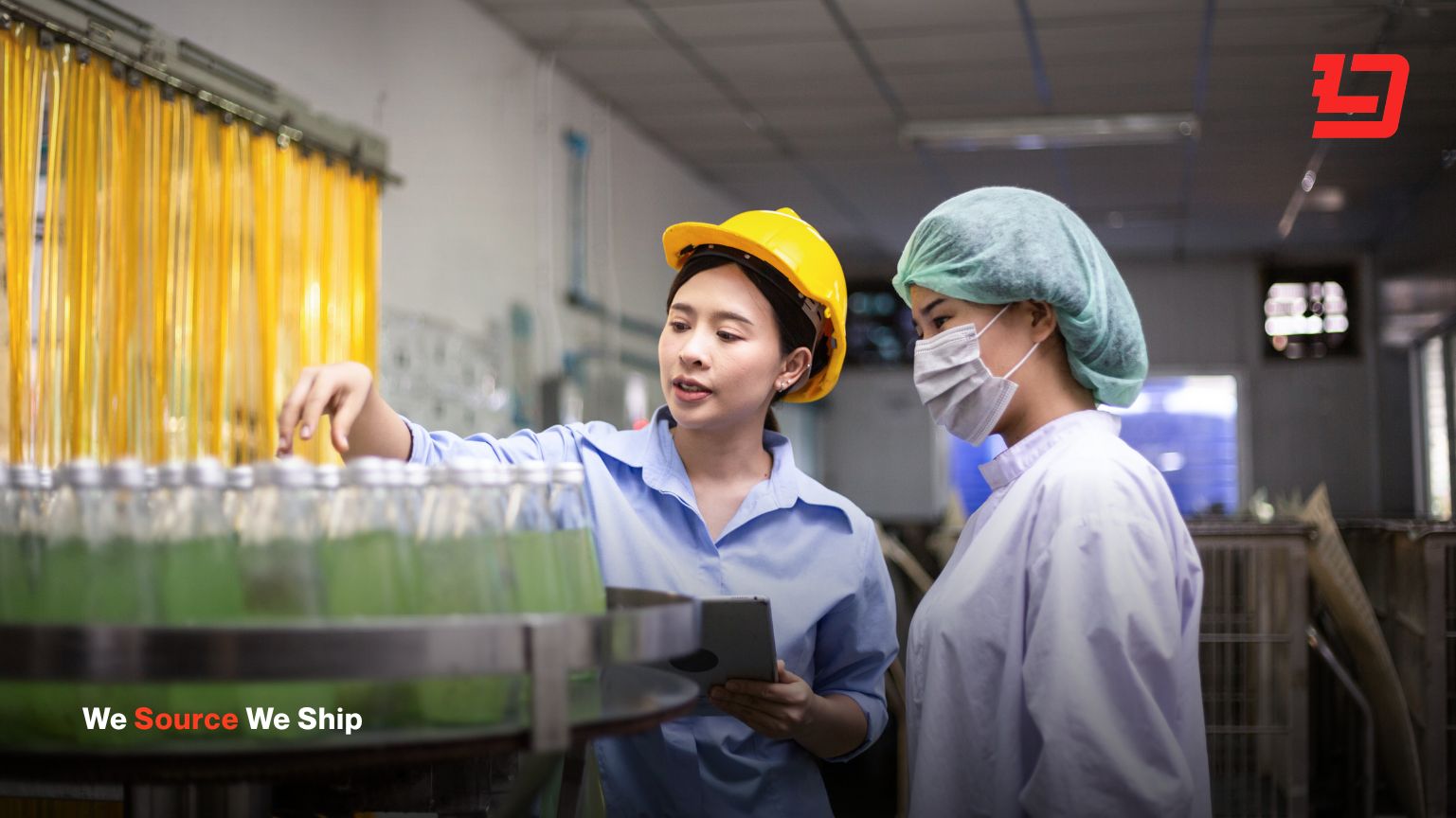
A sourcing partner can help coordinate these stages instead of leaving the buyer to manage every factory interaction independently. Lansil Global describes a manufacturing process that includes factory sourcing, production oversight, and an in-house quality-control team in China.
Better coordination does not eliminate manufacturing risks, but it can make purchasing decisions more structured. Buyers can consider product specifications, packaging, labeling, production progress, and inspection requirements before inventory is shipped.
Financing Should Follow Inventory Logic
Credit becomes easier to manage when purchasing decisions are connected to measurable inventory needs. Wholesale buyers can begin by estimating expected sales, existing stock, supplier lead times, and the cash required for replenishment.
The objective should be to avoid two opposite problems. Under-ordering can create stock shortages, while excessive purchasing can leave capital tied up in slow-moving inventory.
A credit facility therefore works best as part of a broader purchasing framework. Businesses can establish internal limits, monitor inventory turnover, and review repayment obligations alongside sales performance.
Choosing a Branding Model Without Overcommitting
Product branding also affects how wholesale businesses allocate working capital. white label and private label models represent different approaches to product ownership and customization.
White labeling generally involves selecting an existing product that can be sold under a business’s branding, while private labeling involves manufacturing products under the buyer’s own brand. Lansil Global lists both private labeling and white labeling among its manufacturing options, alongside ODM manufacturing.
The practical choice depends on factors such as customization requirements, product development resources, packaging needs, and expected order volume. Financing should support the selected model rather than encourage unnecessary complexity.
Turning Credit Into a Structured Growth Tool
A larger purchasing budget can be useful when it is connected to a repeatable supply-chain process. Businesses can divide their available credit across planned inventory cycles instead of treating the entire facility as immediately spendable capital.
This approach also encourages closer coordination between procurement and sales forecasting. If demand changes, purchasing plans can be adjusted before the business commits the full financing capacity to inventory.
Quality control remains another important consideration. Lansil Global states that its China-based in-house QC team checks product details, packaging, labels, and barcodes before orders leave the factory.
Managing Risk Alongside Greater Purchasing Power
More purchasing capacity does not remove commercial risk. A wholesale business still needs to consider supplier reliability, product quality, inventory aging, logistics timing, customer demand, and repayment schedules.
Businesses can reduce avoidable pressure by defining purchasing criteria before using additional credit. These criteria might include acceptable inventory levels, approved suppliers, target delivery windows, and documented quality requirements.
The same principle applies to international sourcing. made in China wholesale can involve multiple stages between factory production and final customer delivery, so financing decisions should account for the entire supply chain rather than the factory invoice alone.
Scaling Beyond the First Inventory Cycle
A credit facility becomes more meaningful when businesses use it within a repeatable operating model. After one purchasing cycle, companies can review actual sales, inventory movement, production timing, and cash conversion before planning the next cycle.
This creates a feedback loop between procurement and financial management. Instead of increasing order sizes simply because credit is available, buyers can use historical operating data to determine whether additional purchasing capacity is justified.
That discipline can also support different branding strategies. white label and private label purchasing may require different levels of product customization and planning, making it useful to evaluate financing needs alongside the product strategy.
Building a More Coordinated Wholesale Operation
Lansil Global combines China product sourcing, manufacturing and quality control, direct China fulfillment, USA order fulfillment, and Amazon FBA preparation as part of its supply-chain services. The company also identifies flexible credit terms as one of its value-added services for ecommerce brands.
For businesses considering a $1M credit line, the central question is therefore how financing fits into the complete purchasing process. Credit can provide additional working-capital flexibility, while sourcing, manufacturing oversight, quality control, and fulfillment determine how that capital moves through the supply chain.
A disciplined approach keeps financing connected to real inventory requirements and documented operating plans. By combining appropriate credit capacity with structured procurement and supply-chain coordination, wholesalers can evaluate larger purchasing opportunities without treating available financing as a substitute for demand analysis or financial control. Lansil Global provides sourcing, manufacturing, quality-control, and fulfillment support for ecommerce businesses seeking to coordinate these activities across China and other markets.