Scaling an e-commerce brand in the US means one thing is non-negotiable: fast, reliable delivery. For brands sourcing from China, finding a 3PL with both a USA warehouse and a China fulfillment base is the most efficient way to control costs, speed, and returns.
Lansil Global is one of the few providers that does exactly this — operating fulfillment centers in Nevada and Pennsylvania alongside a major hub in Shenzhen, making us a strong choice for brands that need flexible, cross-border supply chain support.
Quick Summary:
- The USA warehouse and fulfillment means storing inventory domestically to achieve 2–4 day delivery and lower shipping costs.
- Location, technology integration, returns handling, and pricing transparency are the four most critical factors when choosing a 3PL.
- A hybrid China + USA fulfillment model is the most cost-efficient strategy for most growing brands today.
- Lansil Global operates bi-coastal US warehouses (Nevada + Pennsylvania) and a 45,000 sq ft Shenzhen hub for end-to-end coverage.
What is USA Warehouse and Fulfillment?
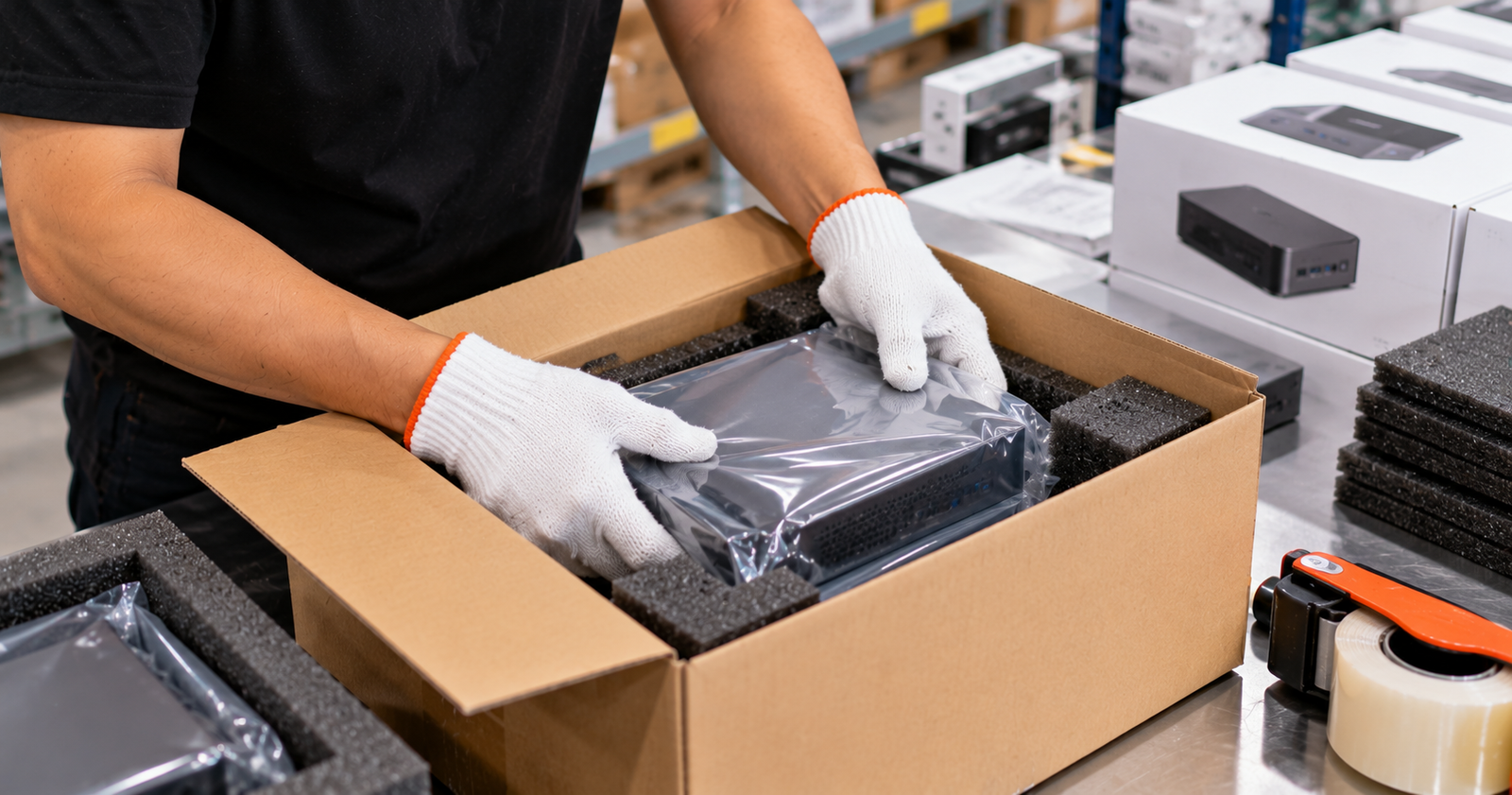
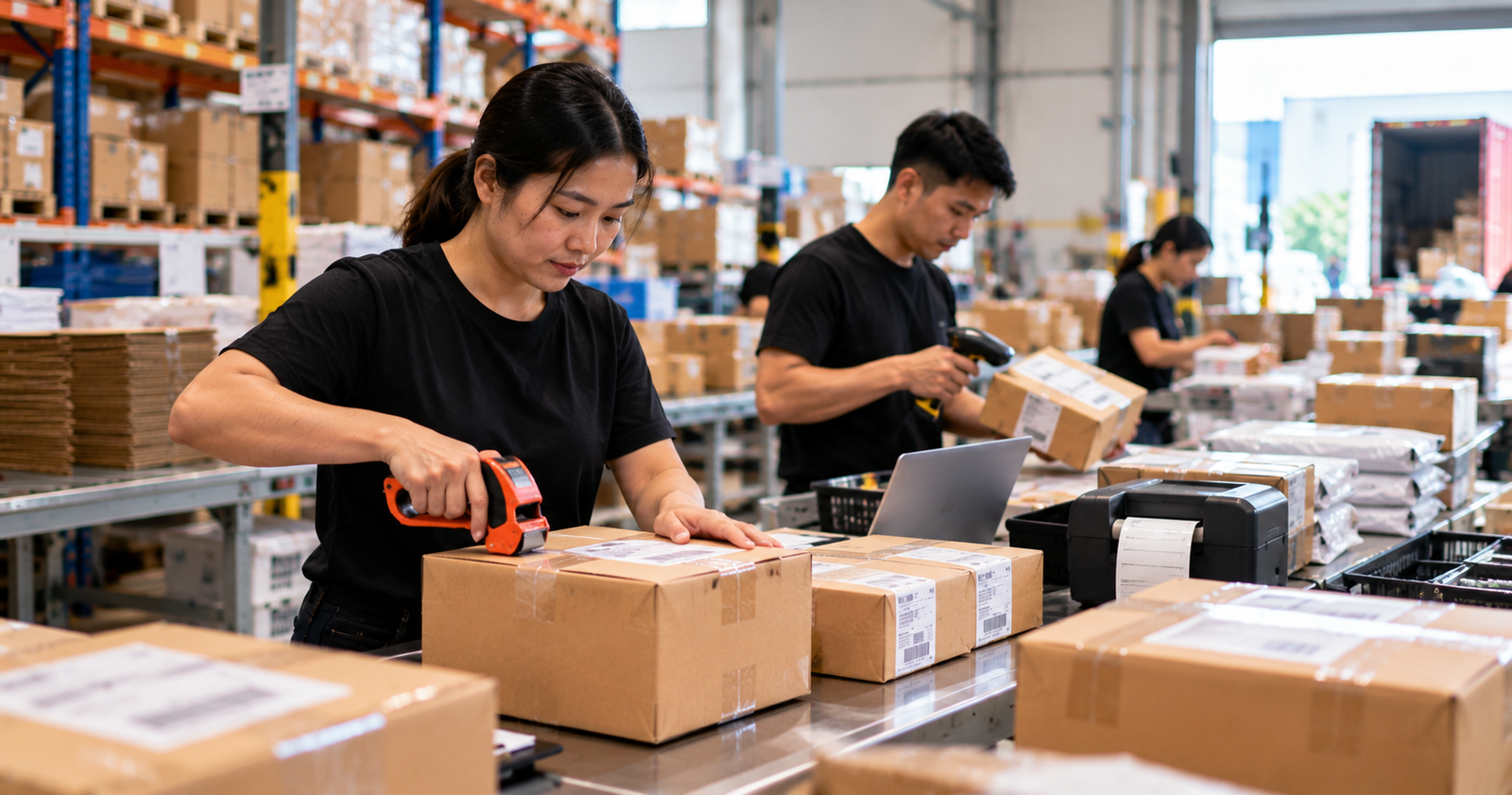
A fulfillment center is not the same as a warehouse. A traditional warehouse stores goods long-term. A fulfillment center — also called a 3PL (third-party logistics provider) — is an active operation focused on rapid inventory turnover: receiving stock, picking and packing orders, and shipping directly to customers.
Core services in the USA warehouse and fulfillment typically include:
- Receiving and inbound processing
- Inventory storage
- Pick, pack, and ship
- Returns processing and restocking
- Value-added services: kitting, custom packaging, FBA prep
For e-commerce brands, the key advantage of US-based fulfillment is speed. Inventory stored in the US ships domestically, which means 2–4 day delivery rather than 5–8+ days from China direct.
Moreover, for certain destinations, U.S.-based fulfillment can be significantly faster than shipping from China. For instance, in some European countries, delivery from a U.S. warehouse can take as little as one day, whereas shipments from China may take over six days.
Why Location Inside the US Matters
Shipping costs in the US are calculated by shipping zones (Zone 1 through Zone 8). The further a package travels from origin to destination, the higher the zone and the higher the cost. A shipment from California to New York crosses Zone 7–8 — the most expensive tier.
Single warehouse vs. bi-coastal strategy:
| Setup | Delivery Speed | Shipping Cost | Complexity |
|---|---|---|---|
| Single central warehouse (e.g., Ohio) | 2–5 days for most of US | Moderate | Low |
| Bi-coastal (East + West) | 2–4 days across the USA | Lower per shipment | Higher |
| China direct only | 5–8+ days | High per unit | Low inventory cost |
A bi-coastal approach shortens delivery time and reduces per-shipment costs significantly. However, it requires careful inventory planning to avoid split orders — where an item ships from two locations, doubling pick, pack, and freight costs.
Best locations for US fulfillment hubs:
- West Coast: Nevada (lower cost than California, fast access to CA/AZ/UT markets)
- East Coast: Pennsylvania or New Jersey (close to New York and the dense Northeast corridor)
- Central: Ohio or Texas (balanced national coverage)
6 Key Factors When Choosing a USA Fulfillment Partner
1. Warehouse Location and Network
Choose a 3PL whose warehouse location aligns with where your customers are. A single well-placed warehouse in a central hub is good for serving many of the US cost-effectively. A dual-coast network adds significant value for larger shipping volumes by enabling faster delivery times.
2. Transparent Pricing — No Hidden Fees
3PL pricing involves multiple components. Review each carefully before signing:
- Receiving fees: Per hour ($25–$75) or per pallet ($5–$15)
- Storage fees: Per cubic foot/month ($0.50–$2.00) or per pallet position ($15–$40/month)
- Pick and pack: Base order fee ($2.50–$5.00) + per-item fee ($0.50–$1.50)
- Watch for: Monthly minimums (industry average ~$517/month), long-term storage surcharges after 180 days, setup fees, and system integration fees
Always ask for an all-in cost estimate based on your average monthly order volume and SKU count.
3. Technology and Platform Integration
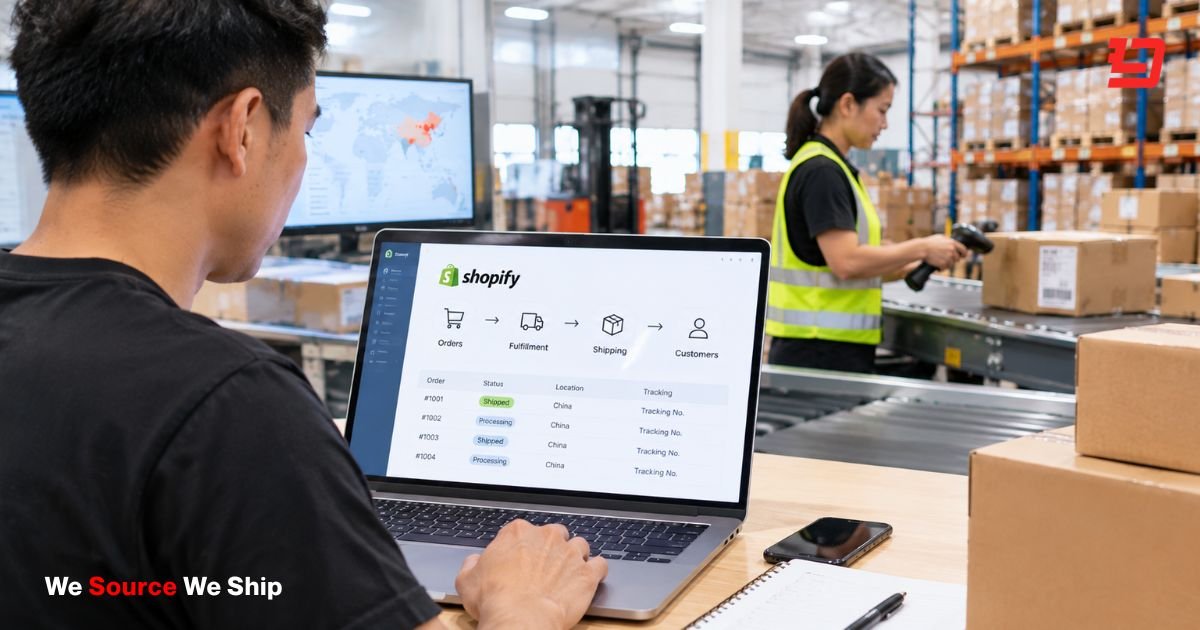
Your 3PL’s warehouse management system (WMS) must integrate in real time with your sales channels. Disconnected systems cause overselling and delayed fulfillment.
Look for native or API integration with:
- Shopify, WooCommerce, BigCommerce
- Amazon Seller Central
- TikTok Shop (increasingly important in 2026)
4. Order Accuracy and SLA Commitments
Top-tier 3PLs maintain order accuracy rates of 99.5%–99.9%. Ask specifically:
- What is their documented accuracy rate?
- Do they offer financial compensation for errors?
- What is the same-day or next-day cut-off for order processing?
5. Returns Handling
Returns are a significant cost center, especially for electronics and apparel (typical return rates of 20–30%). A good US 3PL should receive, inspect, repackage, and restock returned items quickly. Ask whether they provide:
- Return inspection and grading
- Relabeling and restocking
- Destruction or donation for unsalvageable units
6. Scalability and Dedicated Support
Your fulfillment partner must be able to scale with Q4 spikes and promotional surges without service degradation. Beyond capacity, prioritize partners who offer a dedicated account manager — not just a ticketing system. Direct access to someone who knows your account is a real operational advantage.
China Direct vs. US Warehouse Fulfillment: Key Differences
Brands sourcing from China often weigh whether to ship direct from China or store inventory in a US warehouse. Each model has a clear use case.
| Factor | China Direct | US Warehouse |
|---|---|---|
| Delivery time to US customers | 5–8+ days | 2–4 days |
| Last-mile shipping cost | Higher | Lower |
| Inventory capital required | Low | Higher (pre-stock needed) |
| Tariff exposure | High (post-De Minimis) | Low (bulk import rate) |
| Returns handling | Difficult, expensive | Local, cost-effective |
| Best for | New SKU testing, global markets | High-volume, US-focused SKUs |
The Hybrid Fulfillment Model: Best of Both
Most scaling brands benefit from running China and US fulfillment in parallel. The logic is straightforward:
- US warehouse: Store best-selling, high-volume SKUs for 2–4 day domestic delivery and simplified returns.
- China warehouse: Store slow-moving, long-tail SKUs, new product tests, and inventory for non-US markets where China fulfillment is more cost-effective and faster, such as the UK, parts of Europe, and Australia.
This split keeps US inventory lean and reduces storage costs, while the China hub handles global orders and acts as the master replenishment source.
How Lansil Global Handles USA Warehouse and Fulfillment
Lansil Global operates a bi-coastal fulfillment network in the US, along with a major China hub in Shenzhen — making us a practical option for brands that want a single partner to manage both sides.
Lansil Global US Fulfillment Centers:
- Nevada (Henderson/Near Las Vegas): 106,624 sq ft — West Coast gateway, easy access to major ports and fast-growing markets in California, Arizona, and Utah
- Pennsylvania (Mechanicsburg): 32,000 sq ft — East Coast hub, close to New York, New Jersey, and key transport infrastructure
Key capabilities:
- 2–4 day delivery across the US
- Up to 20% savings on fulfillment costs
- International shipping from US warehouses to Canada (5–10 days), Europe (1-12 days), and Australia (1-12 days)
- Amazon FBA prep: labeling, relabeling, and periodic replenishment to Amazon warehouses
- Custom branded packaging and kitting
- US-based human customer support — no ticketing-only systems
On the China side, Lansil Global’s 45,000 sq ft Shenzhen fulfillment center ships to 171+ countries and connects directly to Chinese factory networks — enabling fast replenishment to the US warehouses when inventory runs low.
For brands managing both China sourcing and US fulfillment, consolidating under one partner reduces coordination overhead and improves supply chain visibility.
Key Takeaways
- USA warehouse and fulfillment enables fast 2–4 day domestic delivery, lower last-mile costs, and easier returns.
- Location matters: Bi-coastal coverage (e.g., Nevada + Pennsylvania) reduces shipping zones and brings delivery times down for most US customers.
- Evaluate 3PLs on: pricing transparency, WMS integration, order accuracy, returns capability, and scalability — not just price per pick.
- Hybrid fulfillment (China + US) is the most cost-effective strategy for brands with a mix of high-volume and long-tail SKUs.
- Post-De Minimis: Bulk shipping to a US warehouse is now the smarter tariff strategy compared to China direct shipping for most e-commerce brands.
Looking for a 3PL that manages both US fulfillment and China sourcing under one roof? Contact Lansil Global to talk through your logistics setup and get a custom quote.