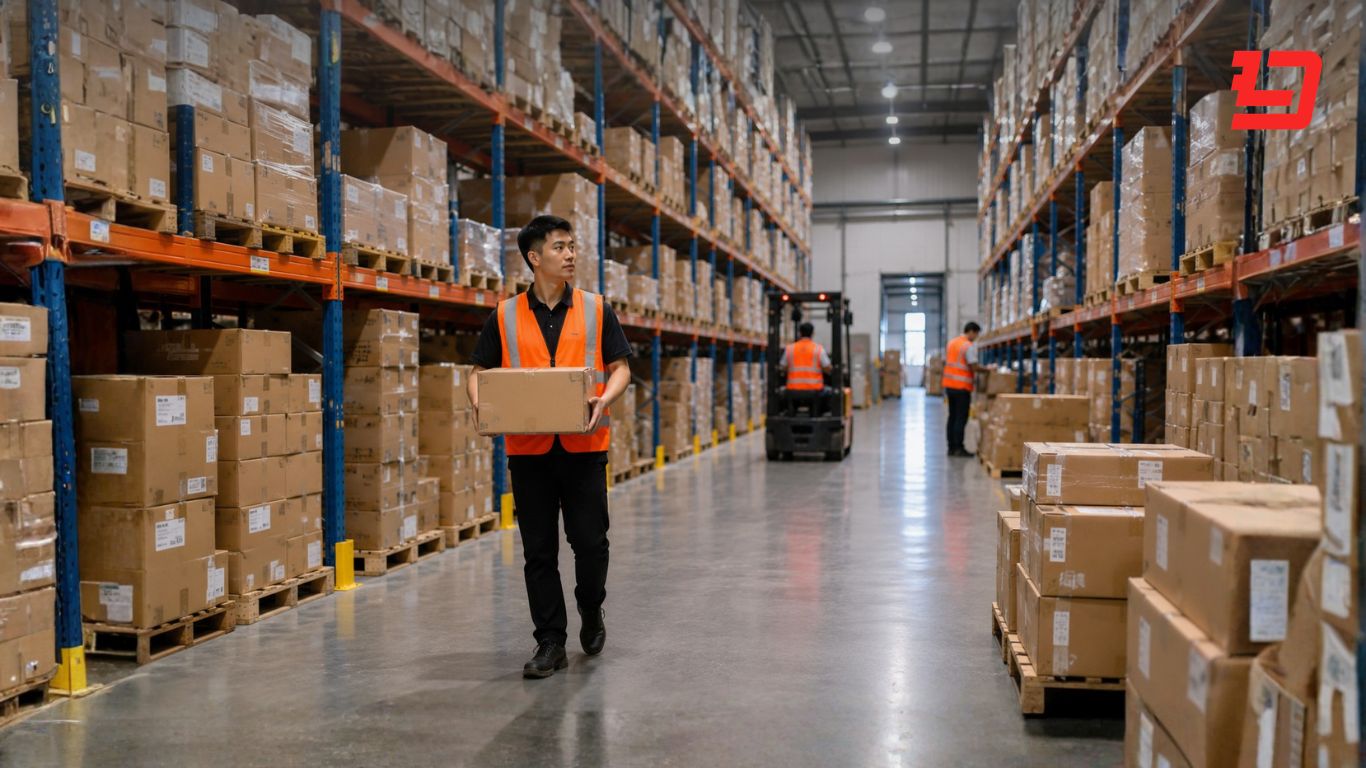
As e-commerce brands grow beyond the startup phase, logistics often becomes the bottleneck. Managing inventory, picking and packing orders, and coordinating shipping across multiple sales channels requires significant time, capital, and expertise. This is where professional warehousing fulfillment services transform operations from a cost center into a strategic advantage.
For scaling brands, outsourcing fulfillment is no longer just about saving time—it’s about gaining the flexibility, speed, and infrastructure needed to compete with larger players while maintaining control over customer experience.
7 Benefits of Using Warehousing Fulfillment Services
1. Cost Optimization: Turn Fixed Costs into Variable Expenses
One of the most immediate benefits of using warehouse and fulfillment services is the ability to convert capital expenses into variable operating costs.
Building or leasing your own warehouse requires significant upfront investment in equipment, security systems, software, and staffing—expenses that become fixed regardless of order volume.
By outsourcing, you pay only for the space you use and the orders you fulfill. This model is particularly valuable for brands experiencing seasonal spikes or rapid growth. Additionally, established fulfillment providers leverage their shipping volume to secure carrier rates far lower than what individual businesses can negotiate.
Many brands see fulfillment costs drop by 15–20%.
2. Distributed Storage Reduces Shipping Costs and Transit Times
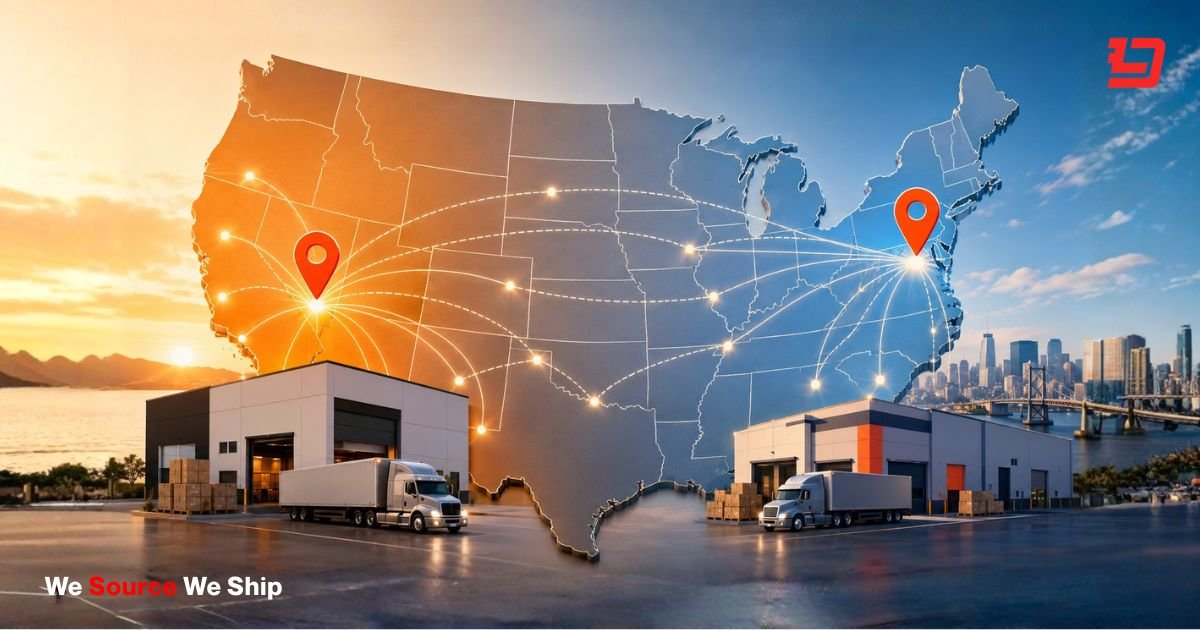
Modern warehousing fulfillment services operate from multiple strategically located facilities. This distributed model allows you to split inventory across regions, positioning products closer to your customer base.
When orders ship from a nearby warehouse, both shipping costs and delivery times decrease significantly. For US-based customers, shipping from a domestic facility rather than overseas can cut transit time from over a week to just 2–4 days. The savings in “last-mile” delivery costs often offset any additional inventory management complexity, making distributed fulfillment a financially sound strategy.
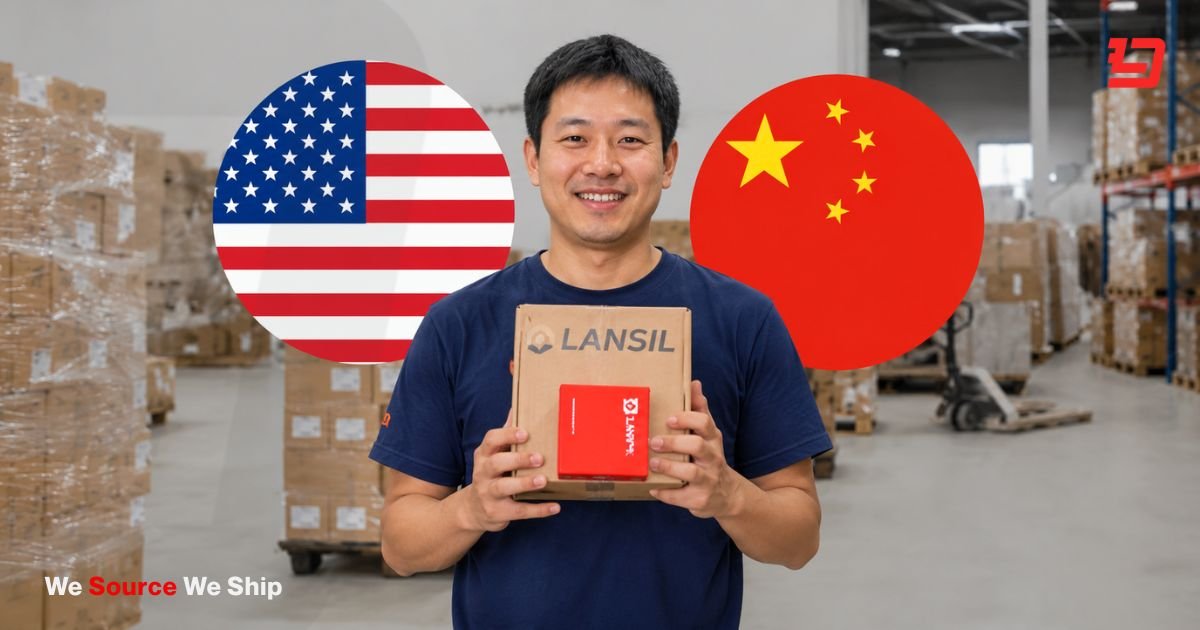
For instance, Lansil Global has a 45,000 sq ft warehouse in Shenzhen, China’s top port city, handling international orders with delivery to the U.S. in 5–8 days, the U.K. in 3–5 days, Canada and Australia in 5–10 days, and Europe in 6–10 days. We also operate U.S. warehouses in Nevada (106,624 sq ft) and Pennsylvania (32,000 sq ft), ensuring faster domestic shipping of 2–4 days.
3. Operational Accuracy Through Technology and Automation
Professional fulfillment centers invest heavily in warehouse management systems (WMS), barcode scanning, and automated sorting equipment. These technologies deliver accuracy rates that are difficult to achieve with in-house operations.
Real-time inventory visibility allows you to monitor stock levels across all sales channels from a single dashboard. Many providers integrate directly with platforms like Shopify, Amazon, and WooCommerce, automatically syncing inventory and routing orders to the optimal fulfillment location.
This level of precision reduces costly errors such as shipping the wrong item, overselling, or mislabeling—issues that directly impact customer satisfaction and profitability.
4. Scalability to Handle Demand Spikes and Market Expansion
For growing e-commerce brands, the ability to scale operations quickly often determines whether they can capitalize on market opportunities. During peak seasons—such as Q4 holiday sales or promotional events—order volumes can increase by 300% or more.
A fulfillment partner absorbs these fluctuations without requiring you to maintain idle warehouse space and seasonal staff for the rest of the year.
When you’re ready to expand into new geographic markets, established storage and fulfillment services provide instant access to regional or international distribution networks without the months of lead time required to build new facilities.
5. Enhanced Customer Experience Through Faster Delivery and Reliable Tracking
Modern consumers expect fast, predictable shipping. With distributed warehousing and optimized carrier routing, fulfillment providers enable standard ground delivery times that rival expedited options. Offering 2–4 day delivery as a baseline rather than a premium upgrade can become a competitive differentiator.
Beyond speed, integrated tracking systems provide end-to-end visibility. Customers receive automated updates at each stage of the fulfillment process, reducing support inquiries related to order status.
Professional providers also manage returns efficiently—inspecting, restocking, or disposing of returned items according to your specifications—turning a traditionally frustrating process into a smooth customer experience.
6. Value-Added Services That Support Brand Growth
Beyond basic pick-and-pack operations, many warehousing fulfillment services offer capabilities that directly support brand differentiation:
- Kitting and assembly: Pre-packaging product bundles or subscription boxes reduces handling time and ensures order accuracy.
- Custom packaging and inserts: Branded unboxing experiences, promotional materials, or personalized notes can be integrated into the fulfillment workflow.
- Quality control: Providers with in-house inspection teams verify products before shipment, preventing defective items from reaching customers.
- White-glove services: For high-value or oversized items, specialized handling and delivery coordination ensure proper installation and setup.
7. Focus on Core Business While Experts Handle Logistics
Perhaps the most strategic benefit is the time and mental bandwidth freed by outsourcing fulfillment. When logistics operations are managed internally, leadership attention is constantly pulled toward warehouse staffing, shipping delays, and inventory discrepancies.
By partnering with a fulfillment expert, your team can redirect that energy toward product development, marketing, customer acquisition, and brand building—the activities that directly drive growth.
How Lansil Global Delivers End-to-End Supply Chain Solutions
For e-commerce brands seeking a partner that combines sourcing strength with fulfillment expertise, Lansil Global offers a distinctive approach. Founded in 2015 as a China sourcing company, Lansil Global has evolved into a comprehensive supply chain provider with fulfillment centers in Shenzhen, China, and two US locations (Pennsylvania and Nevada).
This dual-hub model enables a hybrid fulfillment strategy: fast-moving SKUs can be staged in US warehouses for 2–4 day domestic delivery, while slower-moving or internationally-bound inventory ships directly from China to over 200 countries in 3–10 days.
Key capabilities include:
- 2000+ verified factory network for sourcing and manufacturing support
- In-house quality control team based in Shenzhen that inspects products before shipment
- Up to $1 million in credit terms with flexible 60-day payment options
- Seamless integrations with major e-commerce platforms and manual CSV import for custom workflows
- NDA protection to safeguard brand confidentiality and proprietary designs
Whether you’re optimizing Amazon FBA operations, expanding into new markets, or seeking a single partner to manage sourcing and fulfillment, professional warehousing fulfillment services provide the infrastructure to scale confidently—without the complexity of managing it all in-house.
Find out how Lansil Global can streamline your logistics—get in touch with us now.