A Shopify store can be launched with a small stockroom, a spreadsheet, and a manageable daily order volume. International growth changes that equation quickly. More customers mean more picking, packing, inventory movements, shipping decisions, tracking requests, and returns. The challenge is no longer whether a brand can process orders, but whether its fulfillment operation can expand at the same pace as sales.
At Lansil Global, we see 3PL order fulfillment as an infrastructure decision rather than simply a way to outsource packing. The right setup gives a growing brand access to warehousing, inventory control, quality checks, shipping, and returns without requiring the company to build every function internally.
Growth Changes the Fulfillment Problem Before It Changes the Product
Early-stage Shopify brands often focus heavily on customer acquisition and product development. Fulfillment can remain relatively invisible because the founder or a small team can handle orders manually.
Higher order volume changes the nature of that work. Every additional SKU creates more inventory records, every promotion can create a temporary demand spike, and every new destination introduces another shipping consideration. Manual processes that once saved money can eventually consume time that should be spent on growth.
A third-party fulfillment provider absorbs part of that operational workload. Instead of asking an internal team to expand warehouse space, staffing, packing procedures, and shipping coordination whenever sales increase, the brand can use an established logistics operation.
That shift is particularly relevant to Shopify businesses selling internationally. The store may remain centralized online while the physical movement of every order becomes increasingly complicated.
The Warehouse Stops Being a Storage Room and Becomes Part of the Growth Model
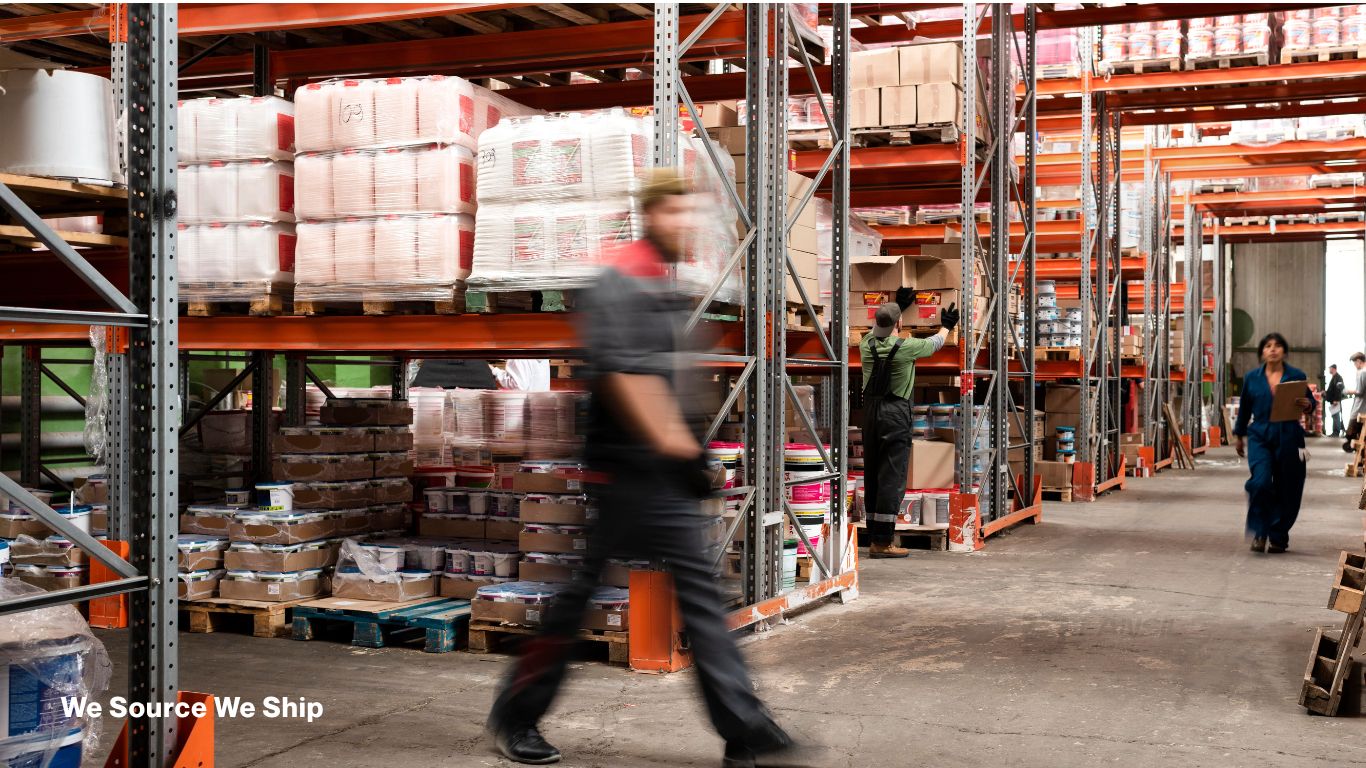
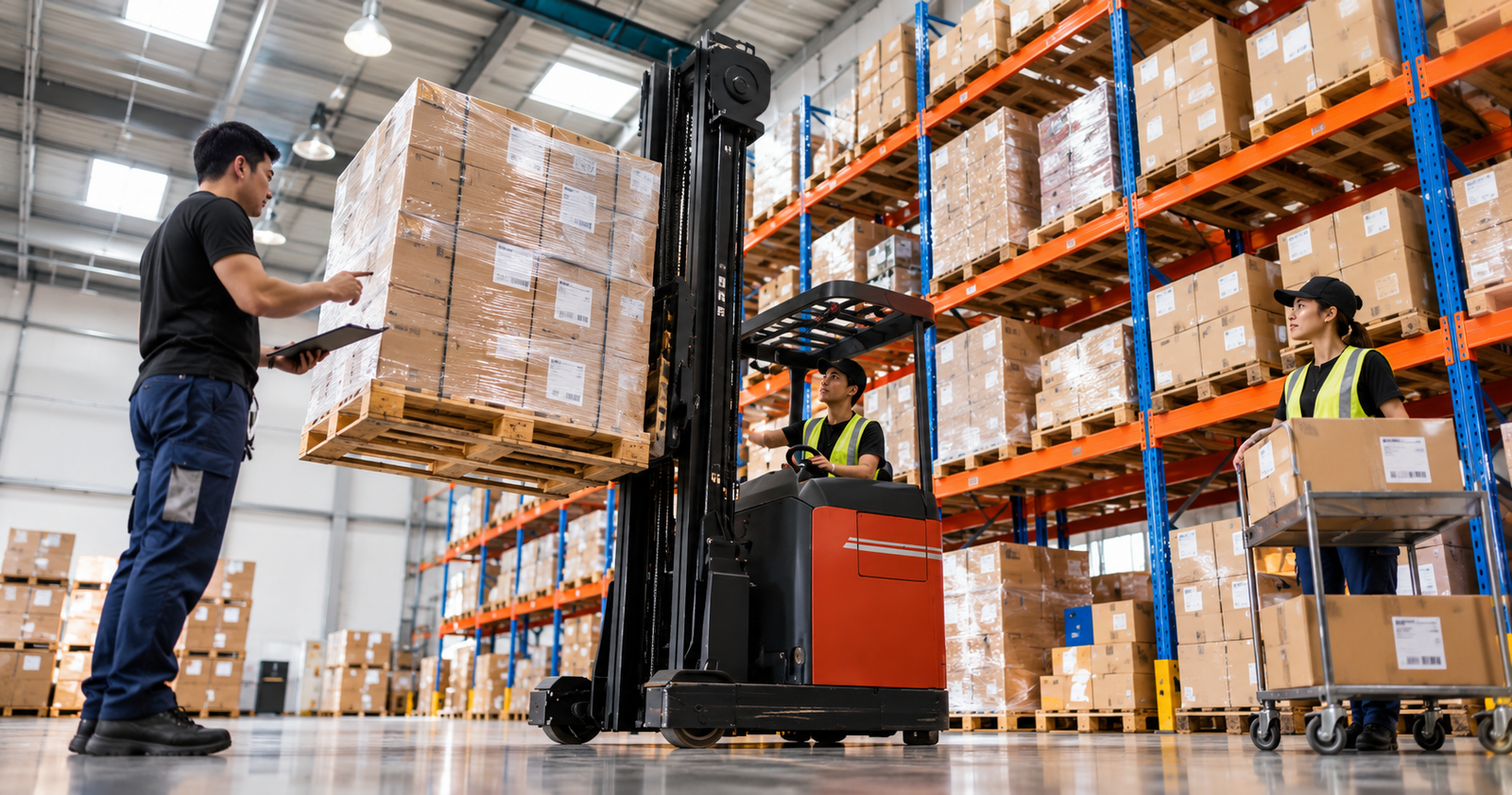
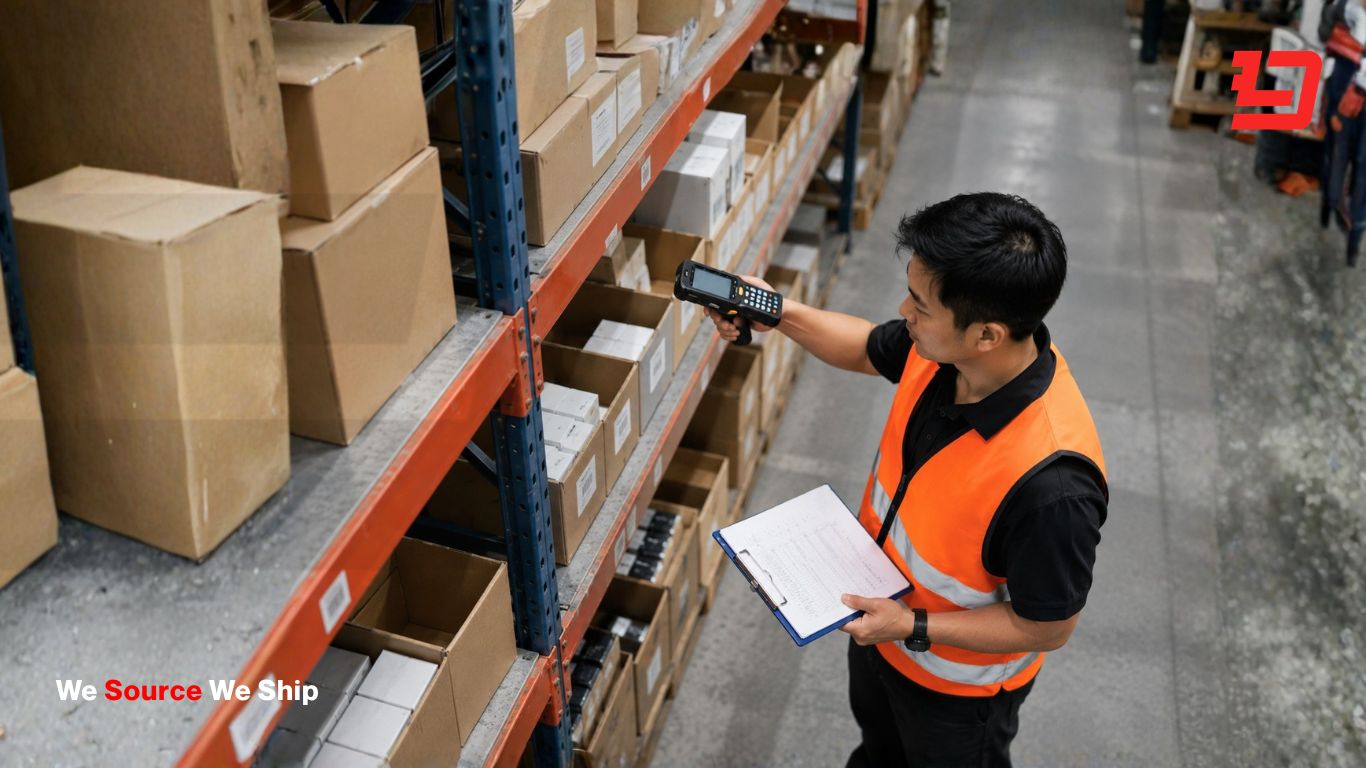
A fulfillment warehouse does much more than hold products. Inventory needs to be received, recorded, inspected, picked, packed, and dispatched accurately. Returns then bring products back into the same operational system.
Our Shenzhen fulfillment center provides 45,000 square feet of warehouse space and supports storage, packing, quality control, inventory tracking, and international shipping. That combination is designed to keep fulfillment connected to the product’s point of origin rather than treating warehousing as an isolated activity.
This becomes useful when a Shopify brand sources products in China. Keeping inventory close to manufacturing can reduce unnecessary movement before an order is shipped. Products can move from production into fulfillment rather than first traveling to another warehouse simply to wait for customer orders.
For a growing brand, that physical proximity can also make inventory problems easier to identify. Quality checks and stock handling happen closer to the manufacturing source, while the fulfillment operation remains connected to outbound orders.
Global Orders Create a Coordination Problem Shopify Alone Cannot Solve
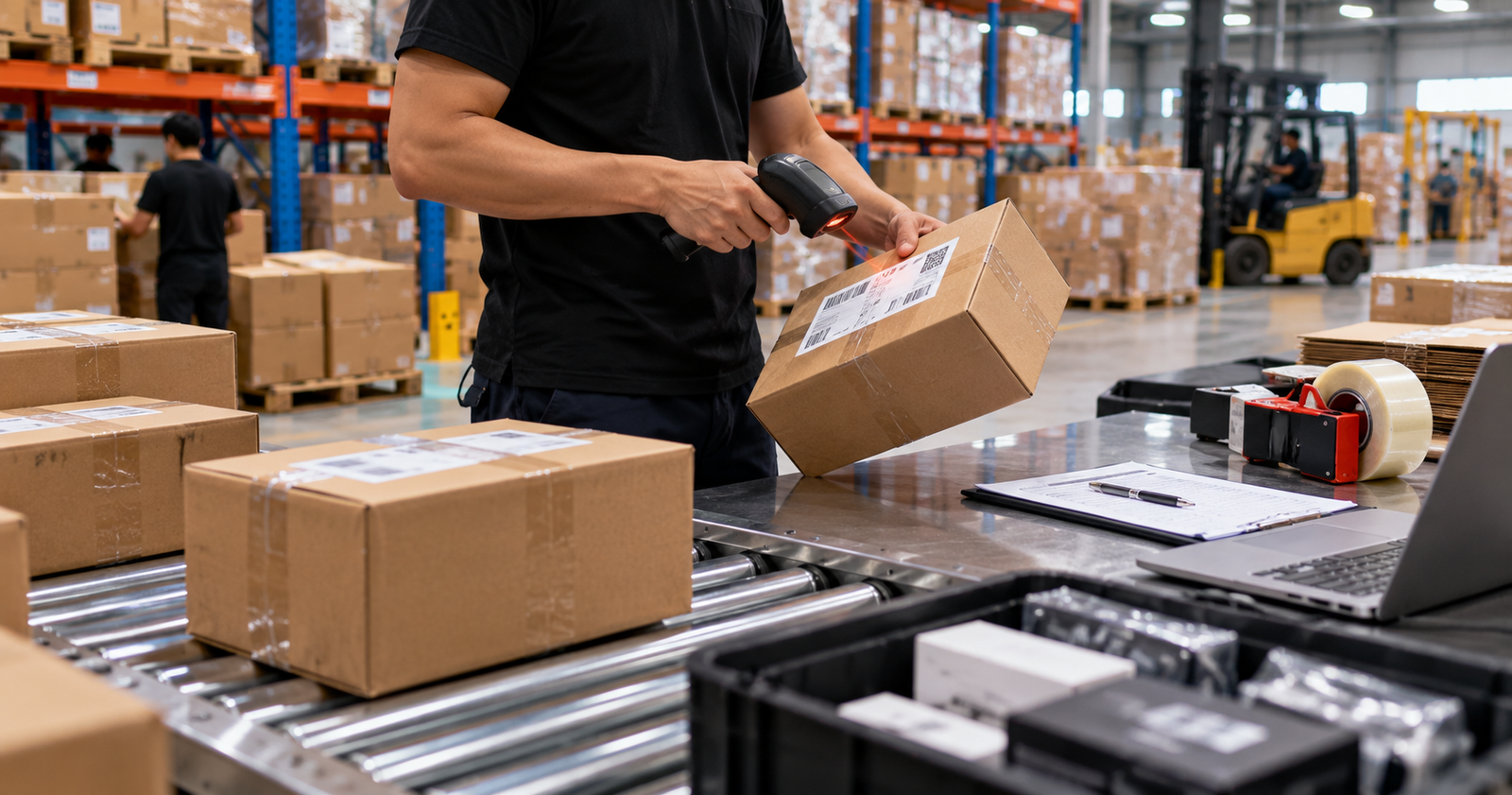
Shopify can centralize the storefront and order information, but the physical fulfillment chain still needs to execute each order. Someone must locate the correct SKU, pick the right quantity, package it according to requirements, create shipping documentation, and hand the parcel to the appropriate carrier.
International selling adds another layer. Delivery destinations differ, shipping routes vary, and customers expect tracking information after the order leaves the warehouse.
Our China fulfillment operation ships to more than 171 destinations and supports integrations with platforms including Shopify and Amazon. The service also offers direct shipping from the Shenzhen facility, allowing products to move from the China supply base toward customers without requiring every order to pass through a separate domestic inventory location.
That structure matters when a brand is testing several international markets at once. Rather than building separate fulfillment processes for every destination, the company can centralize physical inventory while using an established global shipping workflow.
Inventory Economics Become Harder When Every Market Is Stocked Separately
Scaling globally can create a less obvious problem: inventory becomes fragmented. A brand may decide to place stock in several countries to improve delivery times, but doing so can also lock more capital into inventory that may not move at the expected rate.
Excess inventory ties up cash. Insufficient inventory creates stockouts and missed sales. The more warehouses a brand operates, the more difficult it can become to balance those positions accurately.
Our China 3PL model is designed around shipping products soon after manufacturing rather than requiring brands to hold several months of stock in local warehouses. The service also tracks inventory and supports quality checks, packing, and shipping from the Shenzhen facility.
For a Shopify brand, the attraction is not simply lower storage overhead. Better inventory flow can also preserve working capital. Products can remain closer to the manufacturing base until customer demand requires them to move.
That model is especially useful for brands still learning demand patterns. Instead of committing immediately to large quantities in multiple countries, they can use a more centralized inventory strategy while international sales develop.
Returns Expose Weak Fulfillment Systems Faster Than New Orders Do
Successful order fulfillment is visible when everything goes according to plan. Returns reveal whether the underlying system is actually organized.
A returned product needs to be received, identified, inspected, and assigned a next step. Depending on its condition, it may need repackaging, rework, restocking, or another disposition. If those decisions happen through disconnected emails and spreadsheets, inventory accuracy can deteriorate quickly.
Our fulfillment service handles returned products through inspection and client-defined instructions for rework, repackaging, or restocking. Keeping returns connected to the fulfillment operation can help recover usable inventory instead of allowing returned products to become an unmanaged stock category.
For international Shopify brands, this is important because returns are not merely customer-service events. They affect inventory, cash recovery, warehouse workload, and the availability of replacement stock.
A Scalable Brand Needs Fulfillment Capacity It Does Not Have to Build Alone
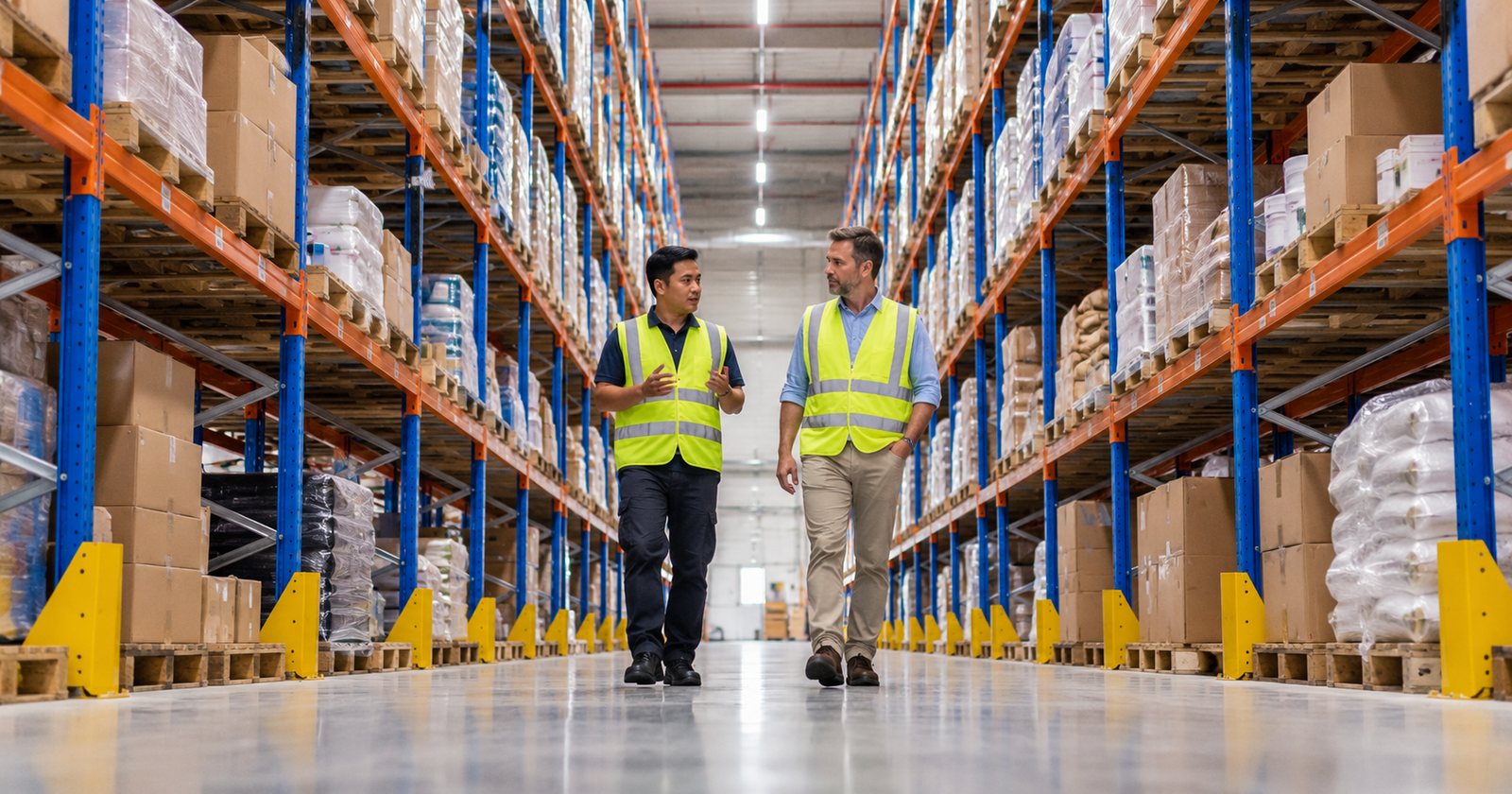
The strongest reason to adopt 3PL fulfilment is not that a third party can pack a box faster than a small internal team. The deeper advantage is access to an existing operational system that can support growth across multiple logistics functions.
A Shopify brand can concentrate internal resources on merchandising, marketing, product development, and customer acquisition while fulfillment specialists manage the physical order flow. The business does not need to acquire warehouse space, recruit an expanding fulfillment team, or create every process from scratch as sales increase.
We at Lansil Global connect sourcing, manufacturing support, quality control, fulfillment, and shipping so that eCommerce brands can manage more of their supply chain through one operational structure. Our China facility is designed for direct-to-consumer fulfillment, while our broader network also includes US fulfillment capabilities.
The right time to rethink fulfillment is not necessarily when orders become impossible to handle. It is when fulfillment starts consuming resources that should be supporting the next stage of growth.
When it comes to worldwide Shopify brands, a capable 3PL can provide the warehouse infrastructure, inventory control, shipment coordination, and returns process that are necessary to scale without turning logistics into a bottleneck that restricts the business.