For eCommerce businesses, finding a suitable manufacturer is only one part of building a dependable supply chain. Direct factory sourcing can provide access to production capabilities, but it also requires buyers to manage supplier research, communication, sampling, production follow-up, and quality checks themselves. A sourcing agency changes this structure by coordinating these activities across multiple suppliers and adding local supply-chain support.
Supplier Discovery Requires More Than a Factory Search
Searching for a manufacturer is relatively straightforward; determining whether that manufacturer fits a particular product and business model is more complicated. Factory capabilities, production experience, communication quality, product requirements, and quality expectations all need to be considered together.
For an eCommerce business, ecommerce sourcing therefore involves more than collecting supplier quotations. A sourcing partner can compare different manufacturers according to the requirements of the product instead of leaving the buyer to evaluate every option independently.
This distinction becomes particularly useful when a product requires specific customization or when a business wants to develop a longer-term manufacturing relationship.
A Broader Supplier Pool Creates More Options
Direct factory sourcing often begins with a manufacturer that appears suitable based on product category, price, location, or online information. Once discussions start, the buyer may spend considerable time evaluating that supplier in detail. This can make it harder to step back and compare the same requirements with other manufacturers.
A sourcing agency can take a different approach by starting with the buyer’s product requirements rather than a predetermined factory. These requirements may include product specifications, materials, production capabilities, customization needs, target quantities, packaging, labeling, quality expectations, and delivery requirements. The agency can then use these criteria to identify and screen potential suppliers before presenting suitable options.
This process gives supplier selection a more structured basis. Instead of comparing quotations alone, buyers can consider whether each manufacturer has the relevant production experience, equipment, customization capabilities, quality-control processes, and capacity for the intended order.
The role of a sourcing agency is therefore not simply to provide access to more factories. It can help organize the supplier-selection process by matching product requirements with available manufacturing capabilities, coordinating communication, and narrowing the options that require further evaluation.
This approach does not automatically guarantee lower costs, better quality, or a better supplier. Its value is that businesses can evaluate several potentially suitable manufacturers against the same requirements before deciding which supplier relationship is worth developing.
Communication Becomes Part of the Supply Chain
Supplier communication affects more than language. Product specifications, packaging requirements, labeling instructions, sampling feedback, and production changes all need to be understood consistently.
Direct sourcing places this communication responsibility largely on the buyer. For companies without local teams or Chinese-language capabilities, misunderstandings can add friction to the purchasing process.
A sourcing agency with a bilingual local team can act as a communication bridge. Lansil Global, for example, describes its China-based team as fluent in Chinese and English and emphasizes factory communication as part of its manufacturing service.
Sampling Before Production Reduces Uncertainty
Samples provide an opportunity to examine whether a supplier can translate product requirements into an actual product. They can also expose issues with materials, construction, packaging, labeling, or other specifications before a larger production order is placed.
When businesses manage sourcing independently, they must coordinate sampling directly with each factory. A sourcing agency can organize this stage as part of a broader supplier-evaluation process.
For brands considering white label and private label products, sampling is especially relevant because the final product may need to match specific branding and packaging requirements rather than simply meet a general product category.
Quality Control Needs Local Oversight
Quality control is another important difference between finding a factory and managing manufacturing. A supplier may understand the agreed specifications, but the buyer still needs a process for checking whether finished products actually match those requirements.
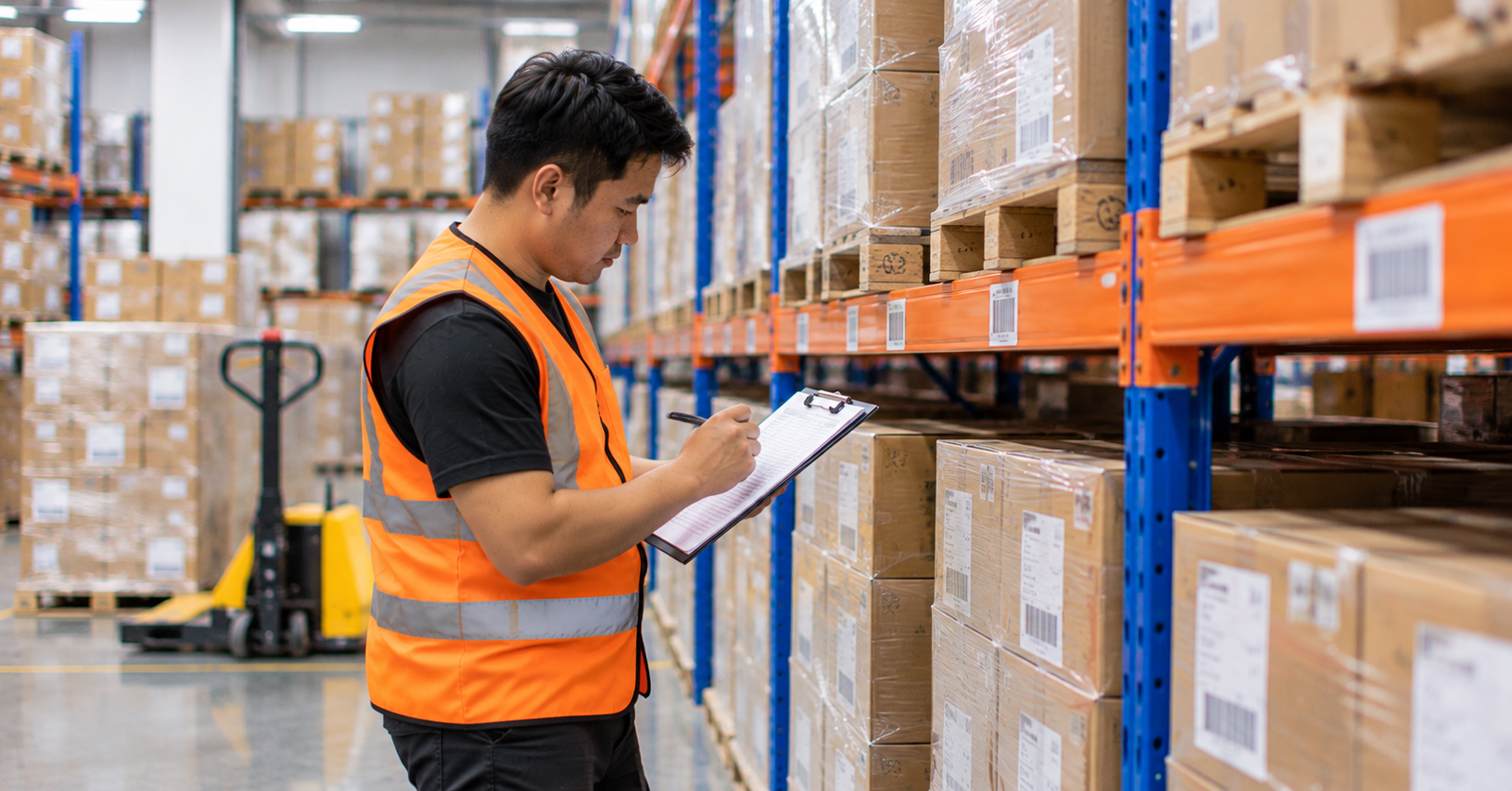
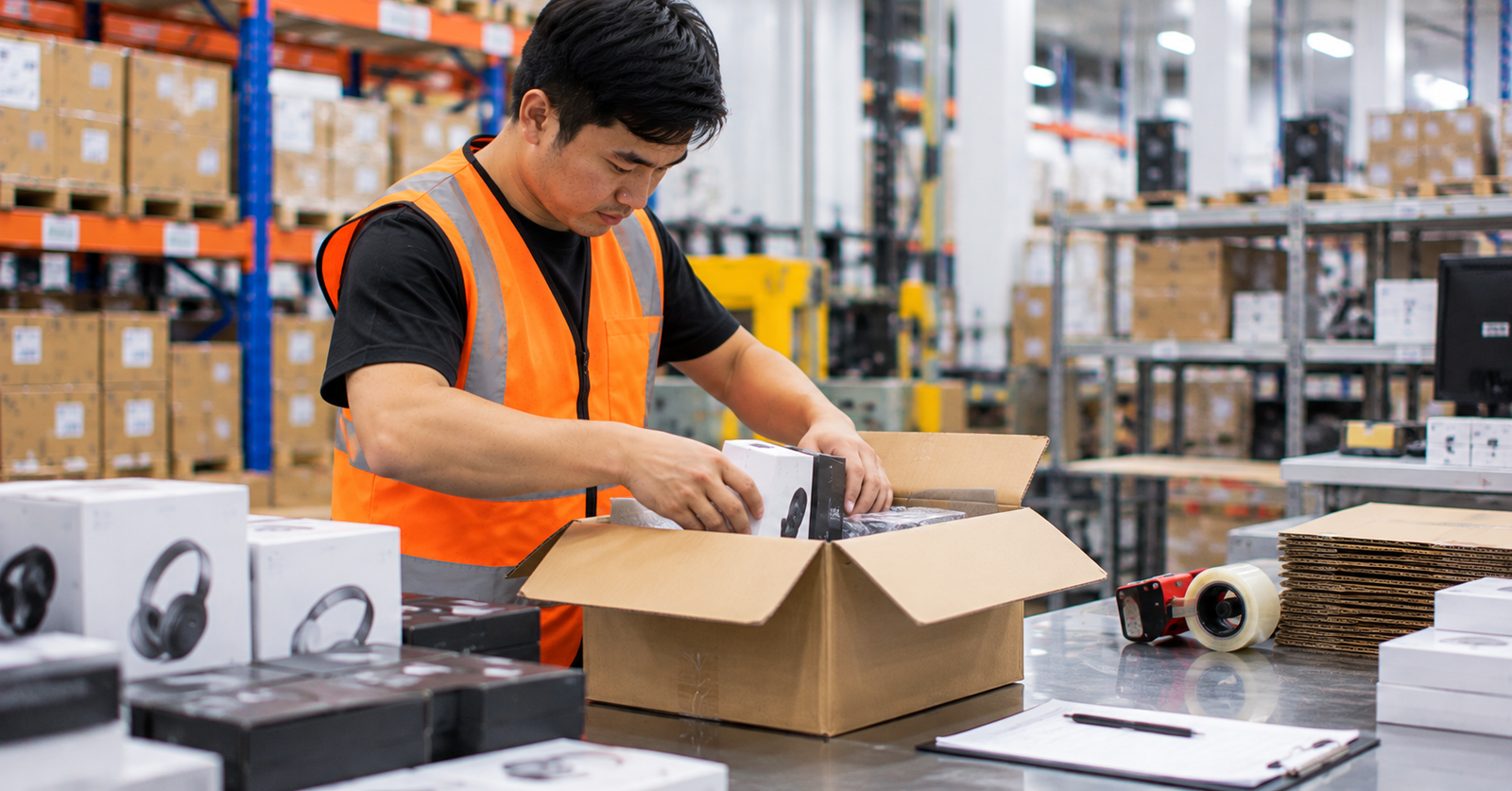
According to its China manufacturing page, Lansil Global operates an in-house QC team in China that checks product details, packaging, labels, and barcodes before orders leave the factory. It also provides photos, videos, and quality notes as part of its reporting process.
For eCommerce companies, this creates a separate checkpoint between manufacturing and shipping. Problems can potentially be identified before products enter the next stage of the supply chain.
Production Follow-Up Is Easier to Coordinate
Manufacturing does not end when a purchase order is submitted. Production progress, specifications, quality requirements, and shipping preparation may all require follow-up.
A direct buyer has to maintain these supplier relationships internally. This can become increasingly demanding as the product range expands or multiple factories are involved.
A sourcing agency provides another organizational layer. Local representatives can communicate with manufacturers, follow production progress, and coordinate quality-related requirements while the eCommerce business concentrates on merchandising, sales, customer acquisition, and other commercial activities.
Choosing the Right Model Depends on Operational Needs
Direct factory sourcing is not inherently unsuitable. Businesses with established supplier relationships, local employees, strong manufacturing knowledge, and internal quality-control processes may have good reasons to communicate with factories themselves.
A sourcing agency becomes more relevant when a company needs help identifying suppliers, coordinating samples, communicating specifications, monitoring production, or arranging quality inspections. The decision should therefore be based on operational requirements rather than assuming that one sourcing model works for every business.
Turning Supplier Access Into Supply-Chain Coordination
The central difference between the two approaches is how much responsibility remains with the eCommerce business. Direct sourcing gives the buyer a direct relationship with a manufacturer, while an agency can coordinate several stages between product requirements and finished goods.
Lansil Global positions its China manufacturing service around supplier sourcing, manufacturing support, private and white labeling, ODM manufacturing, and in-house quality control. Its broader supply-chain offering is designed to connect sourcing and manufacturing with other fulfillment activities.
For eCommerce brands evaluating how to source from China, this model can provide a structured alternative to managing every manufacturing task independently. The right choice ultimately depends on the company’s internal capabilities, product requirements, and desired level of supply-chain involvement.