For scaling e-commerce brands, clicking “Buy Now” is just the start. As orders grow, transitioning from simple sales to global delivery becomes a critical challenge as well as an opportunity. Whether you’re optimizing Amazon FBA or upgrading your end-to-end supply chain, understanding the logistics behind “order in fulfillment” is essential. This guide explains exactly how the process works and how to drive efficiency.
What Does Fulfillment Mean in Shipping?
What does fulfillment mean in shipping? At its core, it is the end-to-end sequence of operations that occurs from the moment an order is placed until the product reaches the customer’s doorstep. It is much more than just putting an item in a box and handing it to a carrier. Fulfillment encompasses inventory management, warehouse organization, quality control, and even the handling of returns (reverse logistics).
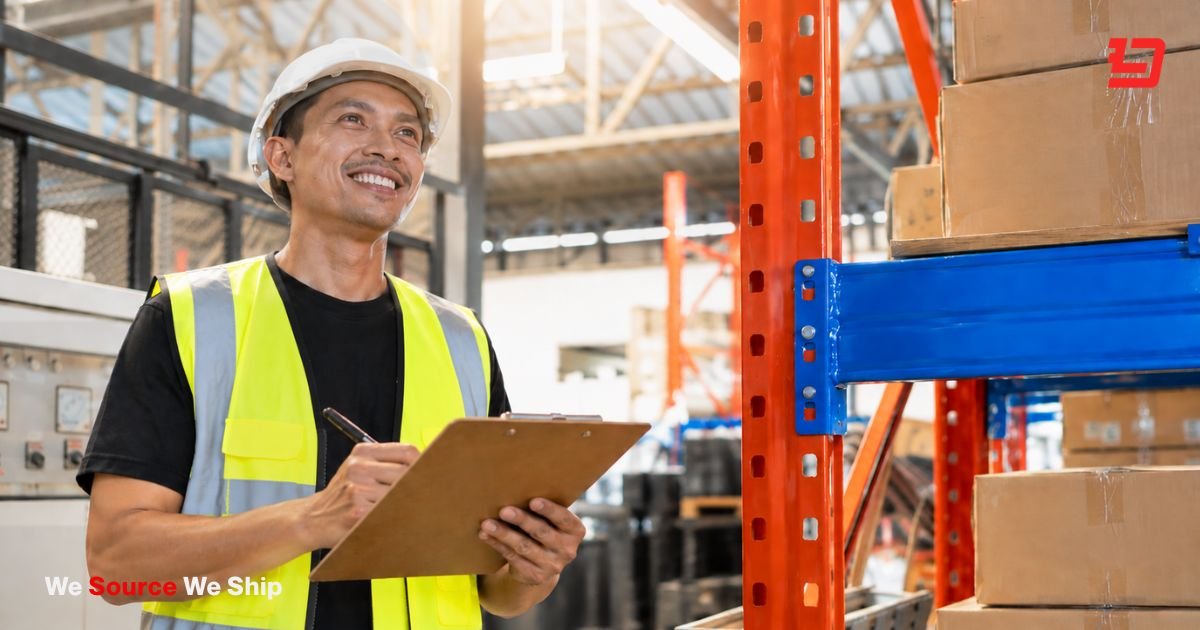
When a customer sees “Order in fulfillment,” it indicates that the warehouse team has received the order and is actively preparing it. This stage includes picking the item from the shelf, verifying it against the order manifest, and securely packaging it. The fulfillment stage ends only when the package is handed over to a shipping carrier (like UPS, FedEx, or DHL) and a tracking number is generated.
For scaling brands, fulfillment is a critical touchpoint for customer experience. High-speed delivery and professional packaging are often the deciding factors in whether a first-time buyer becomes a loyal advocate for your brand.
How Does the Fulfillment Process Work?
To maintain a competitive edge, businesses must move away from manual “garage-based” shipping and toward a structured workflow. So, how does the fulfillment process work on a professional scale? While every warehouse has its own nuances, a standard, high-efficiency workflow typically follows these seven steps:
1. Receiving Inventory
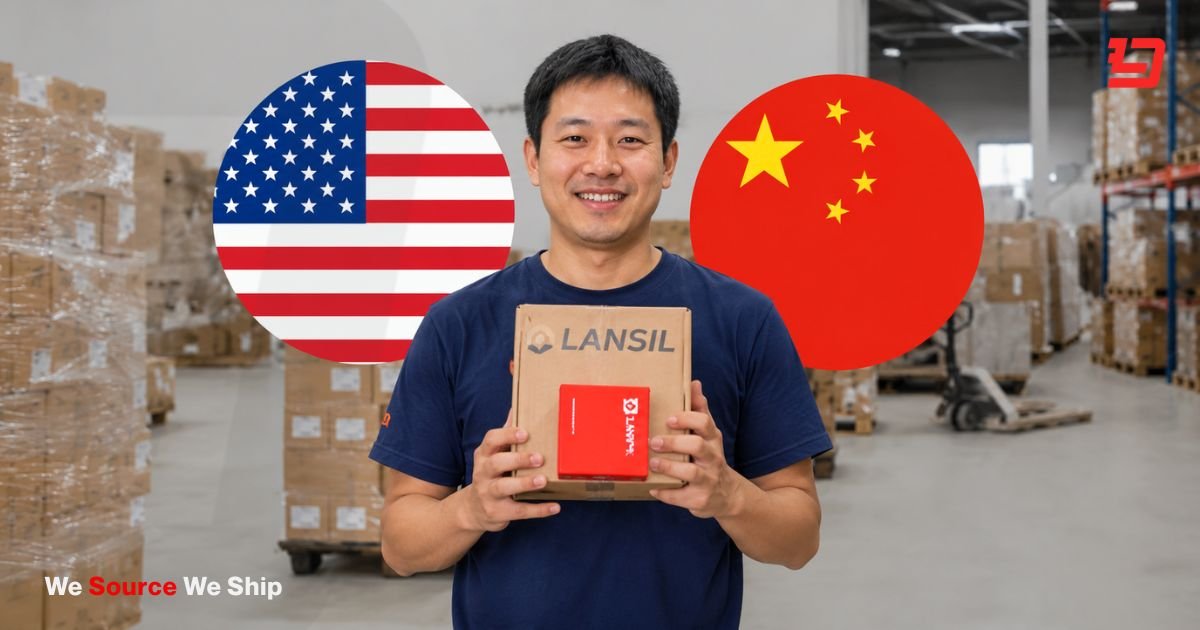
The process starts long before an order is placed. A fulfillment center receives bulk shipments from manufacturers or suppliers. At Lansil Global, we often facilitate this directly from Chinese factories. The staff counts the items, checks for damage, and logs them into a Warehouse Management System (WMS) using SKU barcodes.
2. Inventory Storage
Once logged, products are organized into specific locations—shelves, bins, or pallets. Efficient storage is an art; “Hot SKUs” (best-selling items) are placed near the packing stations to minimize movement time, while slower-moving inventory is stored further away.
3. Order Processing
When an order is placed on your Shopify, Amazon, or WooCommerce store, the data is automatically transmitted to the fulfillment center. The system verifies stock levels and generates a “pick list” that tells the warehouse team exactly which items to pull and where they are located.
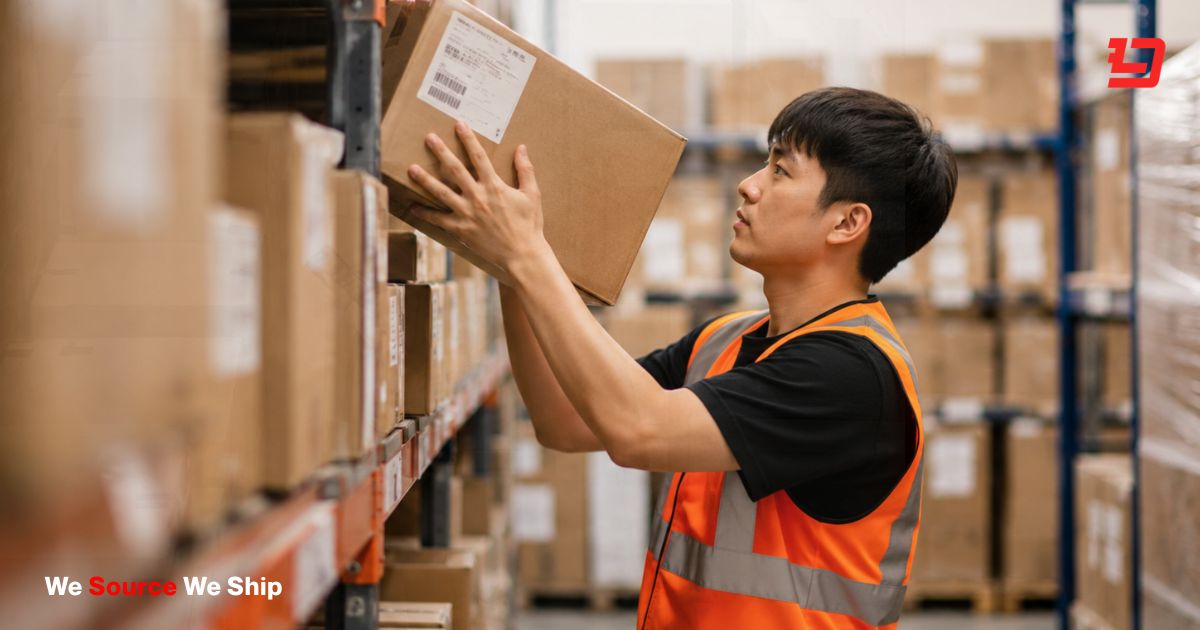
4. Picking and Sorting
Warehouse staff (or, in advanced facilities, multi-agent robots) navigate the aisles to retrieve the items. Accuracy is paramount here; a 99.5% picking accuracy rate is the industry gold standard to avoid the high costs of shipping the wrong item.
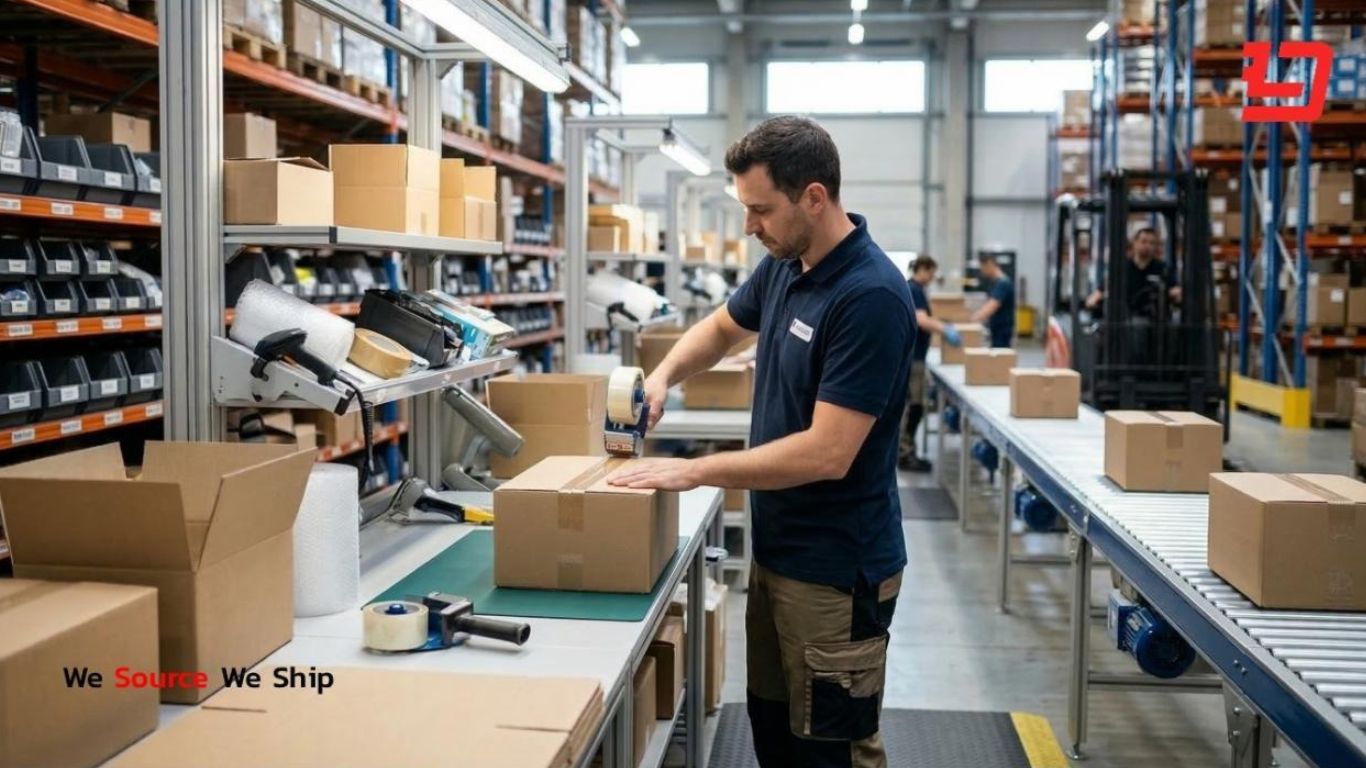
5. Packing
This is where the brand experience comes to life. Items are placed in appropriately sized boxes or mailers with protective dunnage (like bubble wrap and air pillows). This is also the stage where custom inserts or branded packaging are added to enhance the “unboxing” experience.
6. Shipping and Delivery
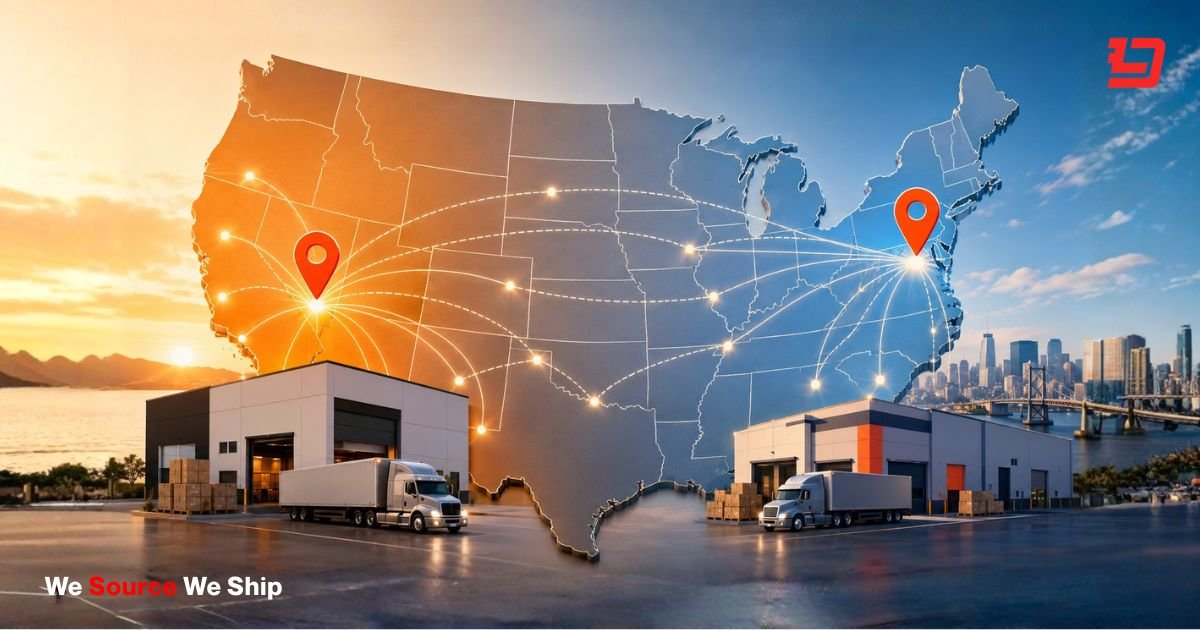
The package is weighed, measured, and assigned a shipping label. Carriers collect these packages daily. For brands using Lansil Global’s infrastructure, this might involve our 2–4 day US shipping from our Nevada or Pennsylvania warehouses, or our 5–10 day global shipping directly from our China-based fulfillment centers.
7. Returns Management (Reverse Logistics)
Fulfillment doesn’t end at delivery. If a customer returns an item, the center must inspect the goods, determine if they can be restocked, and process the exchange or refund. An efficient 5R strategy (Return, Resell, Repair, Recycle, Replace) is vital for maintaining healthy margins.
Strategies for Fulfillment Processing
As a brand grows, the method of fulfillment processing usually evolves. Most mid-sized companies move away from in-house fulfillment toward more scalable models:
- Third-Party Logistics (3PL): This is the most common choice for scaling brands. By outsourcing to a 3PL like Lansil Global, you gain access to discounted shipping rates, expert labor, and a global warehouse network without the overhead of leasing your own facility.
- Fulfillment by Amazon (FBA): While convenient for Amazon sellers, many brands find FBA restrictive due to high storage fees and a lack of control over packaging.
- Hybrid Fulfillment: Some brands keep a small amount of custom or high-value inventory in-house while using a 3PL for their high-volume “bread and butter” products to ensure speed and cost-efficiency.
Key Performance Indicators (KPIs) to Watch
To ensure your fulfillment partner is helping rather than hindering your growth, keep a close eye on these metrics:
- On-time Shipping Rate: Your goal should be 95% or higher.
- Order Cycle Time: The total time from “Order Placed” to “Delivered.” In the modern market, anything over 48 hours for processing is considered slow.
- Order Fill Rate: This measures the percentage of orders you can fulfill immediately without backordering.
Scaling Your End-to-End Supply Chain with Lansil Global
Fulfillment is the heartbeat of your e-commerce operation. When handled correctly, it becomes an invisible engine that powers customer satisfaction. When handled poorly, it leads to bad reviews, lost revenue, and operational burnout.
If your brand is ready to graduate from basic shipping to a robust, global supply chain, Lansil Global is here to bridge the gap. We specialize in helping scaling e-commerce brands optimize their operations by combining China-based sourcing and manufacturing with high-speed global fulfillment reaching over 171 countries.
Whether you need to optimize your Amazon FBA operations or require a US-based 3PL with 2-day delivery capabilities, our team provides the infrastructure you need to grow without limits.
Ready to upgrade your fulfillment and scale your brand? Contact Lansil Global today to learn how our end-to-end solutions can streamline your supply chain and accelerate your global growth.