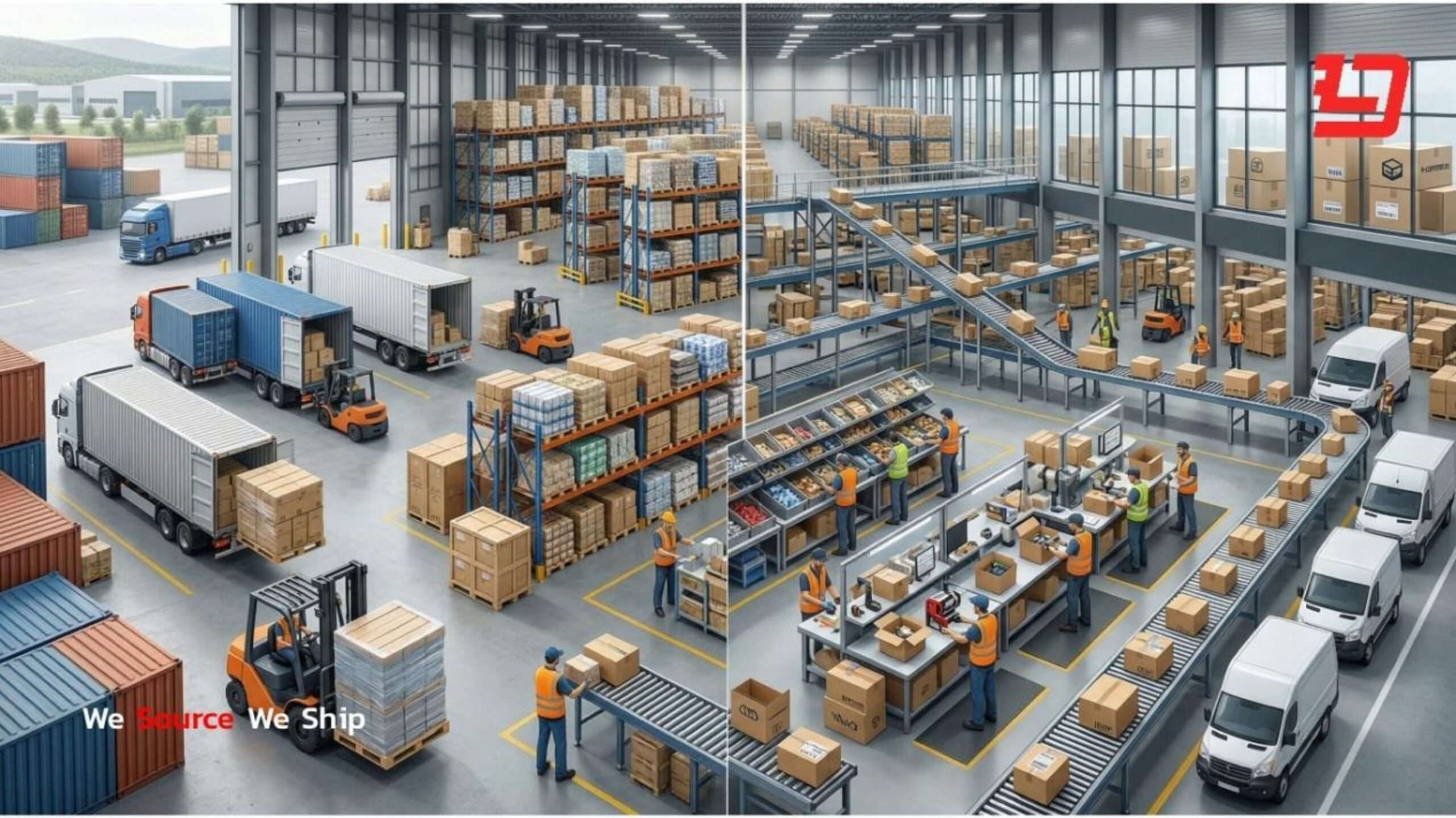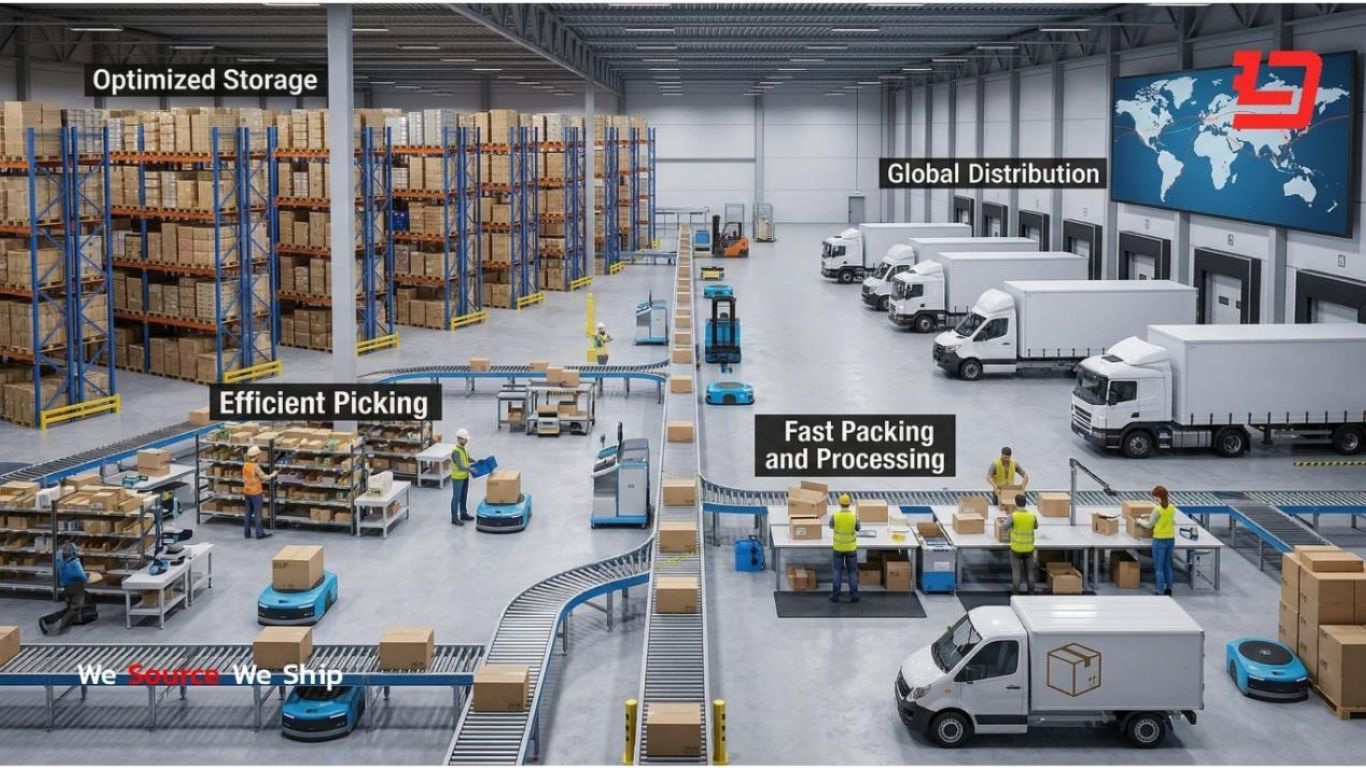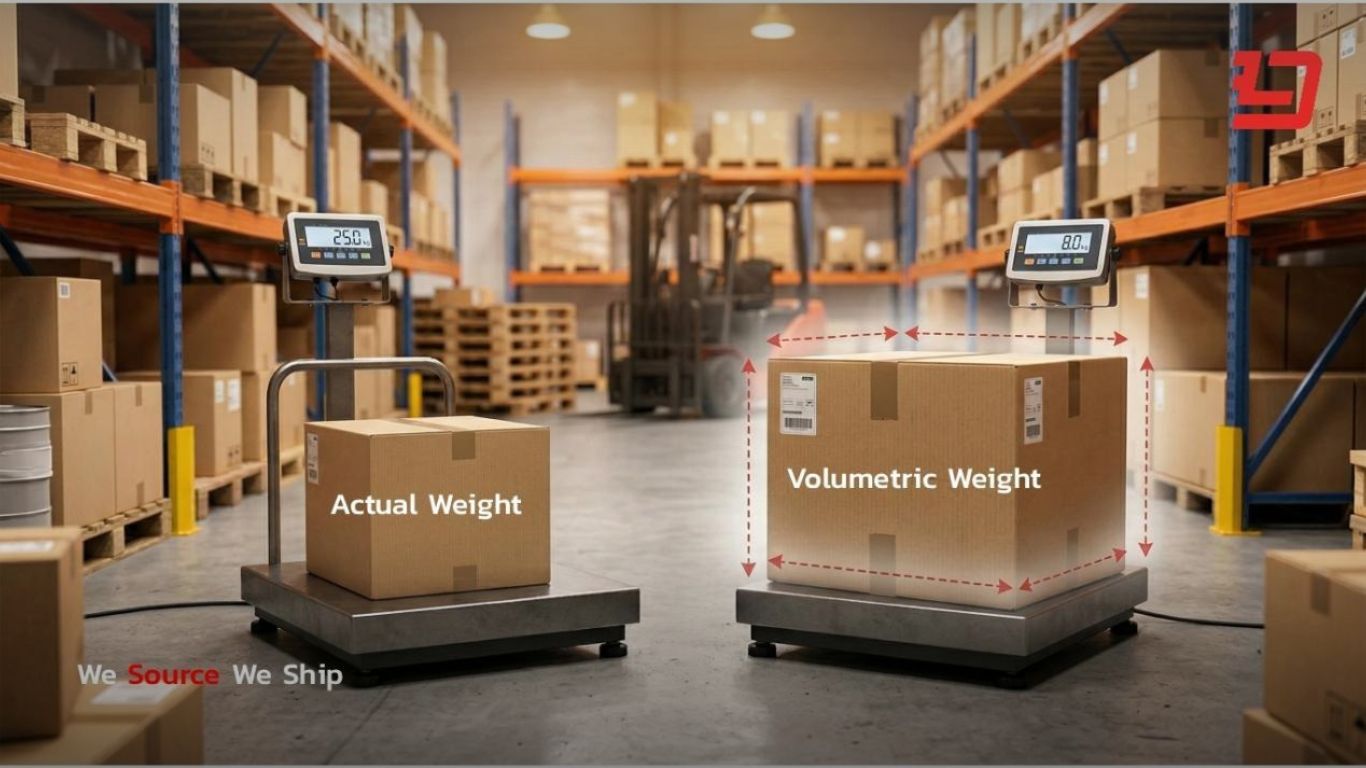
Expanding an e-commerce brand across borders creates an urgent logistics question: Should you ship everything from one central location, or place inventory closer to your customers in multiple regions?
The choice between global e-commerce fulfillment (typically shipping directly from your manufacturing country or a single warehouse) and regional fulfillment (distributing inventory across local warehouses in target markets) directly impacts delivery speed, shipping costs, customer satisfaction, and your ability to scale profitably.
This guide compares both models, explains when each makes sense, and introduces a hybrid approach used by successful scaling brands – with practical examples of how top fulfillment companies like Lansil Global help e-commerce businesses execute these strategies.
What is Global E-commerce Fulfillment?
Global e-commerce fulfillment is often referred to as cross-border fulfillment. It generally means storing all inventory in one central warehouse – often in the country where products are manufactured – and shipping each order directly to international customers. For many brands working with Chinese suppliers, that central hub may be located in cities like Shenzhen and Guangzhou.

How Global E-commerce Fulfillment Works:
A customer in France orders a product. The order is picked, packed, and shipped from the central warehouse in China, cleared through customs, and delivered to the customer’s door after international transit.
Advantages:
- Low startup costs – no need to lease foreign warehouses or hire local staff overseas
- Simple inventory management – all stock in one location, easy to track
- Works well for testing new markets with low order volumes
Disadvantages:
- Long delivery times (often 7–10 days or more)
- High per-order international shipping fees
- Potential customs delays and unexpected duties for customers (unless using DDP)
- Expensive, complicated returns
When Global E-commerce Fulfillment Makes Sense
Global e-commerce fulfillment remains the right choice for specific scenarios. Consider this model if:
- Your monthly order volume to a specific region is below approximately 500 orders.
- You are entering a new country and want to validate demand before committing to local inventory.
- Your products are high-value but low-weight, making air shipping affordable.
- You have a wide SKU catalog where duplicating inventory across multiple warehouses would be cost-prohibitive.
Many brands start with global e-commerce fulfillment through providers like Lansil Global, which offers direct China fulfillment reaching over 171 countries in 3–10 days from our Shenzhen hub. This allows brands to begin selling internationally without a large upfront investment.
What is Regional E-commerce Fulfillment?
Regional fulfillment (also called localized or distributed fulfillment) places inventory in multiple warehouses located inside or very close to your target markets. When an order comes in, the system routes it to the nearest warehouse.
How Regional E-commerce Fulfillment Works:
A customer in Texas orders a product. Instead of shipping from China, the order is fulfilled from a warehouse in Nevada and delivered as a domestic package within 2–4 days.
Advantages:
- Fast, predictable delivery (2–5 days, sometimes next-day)
- Lower last-mile shipping costs once volumes justify local warehousing
- No customs delays or surprise duties for customers
- Simple local returns – customers return to a domestic address
Disadvantages:
- Higher fixed costs (multiple warehouse storage fees)
- Complex inventory planning – forecasting demand per region is harder
- Greater financial risk if demand in a region drops unexpectedly
When to Choose the Regional Fulfillment Model:
Regional fulfillment becomes financially advantageous when you reach specific volume thresholds. For most brands, the tipping point is 500–1,500 monthly orders in a target country. At this scale, savings on international shipping typically exceed the added cost of local storage.
Additional triggers for switching to regional fulfillment include:
- Selling heavy, bulky, or high-value products where international shipping costs eat heavily into margins
- High cart abandonment rates caused by long delivery estimates or unexpected customs fees
- Customer complaints about delivery times or return difficulties
- A single country generating 15–20% or more of your total revenue
Lansil Global provides US regional fulfillment from two strategic warehouses: Henderson, Nevada (covering western states) and Mechanicsburg, Pennsylvania (covering eastern states). Combined, these facilities deliver across America in 2–4 days – matching the speed customers expect from domestic brands.
The Hybrid Model: Best of Both Worlds
For most scaling e-commerce brands, choosing between global and regional fulfillment is a false dilemma. The most effective strategy is a hybrid model that uses both.
How the Hybrid Model Works:
| Product Category | Fulfillment Method | Rationale |
|---|---|---|
| Top 20% of SKUs (high-volume, fast-moving) | Regional (local warehouse) | Minimize delivery time and last-mile cost on bestsellers |
| Remaining 80% of SKUs (slow-moving, seasonal, test products) | Global (central warehouse) | Avoid holding expensive inventory across multiple regions |
| New market tests | Global initially | Validate demand before committing local stock |
This approach protects profitability while delivering premium speed on the products that drive most of your revenue.
Lansil Global’s dual-continent strategy exemplifies this hybrid model. Our system connects Shenzhen (global hub) with US warehouses (regional hubs) under one unified dashboard. Orders are automatically routed to the most cost-effective location based on customer address, giving brands real-time visibility across both fulfillment models.
Comparing Costs: Global vs Regional Fulfillment
Cost comparison is rarely straightforward because different cost categories shift between models.
With global fulfillment (China direct):
- Lower storage and labor costs (China warehousing is significantly cheaper)
- Higher per-order international shipping fees
- Potential for unexpected duties if not using DDP
With regional fulfillment (USA local):
- Higher storage and labor costs (US warehousing is more expensive)
- Lower last-mile domestic shipping fees
- Bulk ocean freight reduces per-unit shipping cost from China
- No per-package customs processing
The breakeven point typically occurs between 500 and 1,500 monthly orders in a given country. Below that range, global fulfillment usually costs less. Above that range, regional fulfillment saves money while also delivering faster.
Note that these figures are not universal. For customized guidance, please contact Lansil.
Returns and Customer Experience
Returns expose a major difference between the two models.
- Global fulfillment returns are generally more complex. The customer ships back to the original warehouse – often overseas – at high cost and long transit times. Many brands simply refund without requiring a return because processing the return costs more than the product value.
- Regional fulfillment returns are straightforward. Customers return to a local address. The cost is lower, transit time is short, and you can inspect, restock, or refurbish efficiently.
For brands selling high-ticket items (such as electronics, premium apparel, and fitness equipment), this difference is critical. Lansil Global can address this by offering tailored pre-delivery inspection services – a quality control measure that helps reduce return rates regardless of which fulfillment model you use.
Which Model Is Right for Your Brand?
Choose global fulfillment (from China direct) if:
- You are testing a new international market.
- Monthly orders in that region are under 500.
- Your products are small/light with low international shipping costs.
- You prioritize low upfront risk over delivery speed.
Choose regional fulfillment (local warehouse) if:
- You have 500+ monthly orders in a specific country.
- Your products are heavy, bulky, or high-value.
- Delivery speed is a competitive advantage in your niche.
- Customer experience and easy returns are top priorities.
Choose a hybrid model (both) if:
- You have multiple SKUs with varying demand levels.
- You already generate meaningful revenue in one or more regions.
- You want premium delivery on bestsellers while controlling inventory risk.
- You are ready to partner with a global e-commerce fulfillment provider that offers both options under one platform.
How Lansil Global Supports Both Models
For brands ready to scale internationally, e-commerce fulfillment services from partners like Lansil Global remove the complexity of managing multiple warehouses across continents. Key capabilities relevant to this decision include:
- Direct China fulfillment – 5–10 days to over 171 countries, ideal for testing markets or fulfilling slow-moving SKUs
- US regional fulfillment – 2–4 days across America from Nevada and Pennsylvania warehouses
- Hybrid routing – One dashboard automatically assigns orders to China or the US based on customer location and inventory availability
- Quality control – Tailored inspection for high-value items before shipping from China, reducing costly returns regardless of fulfillment method
- Flexible credit terms – Up to $1 million credit with 60-day terms, helping brands manage cash flow during seasonal peaks or when building regional inventory
Start with global e-commerce fulfillment to enter international markets with minimal risk. Once a specific country consistently generates 500+ monthly orders, add regional fulfillment for your best-selling SKUs while continuing to fulfill slower-moving products from your central hub.
As your brand grows, evolve toward a hybrid model – which is exactly what global fulfillment providers like Lansil Global are designed to support. This approach gives you speed where it drives sales and efficiency where it protects margins, without forcing an all-or-nothing choice between two valid strategies.