In-house fulfillment can appear economical because the visible costs are easy to recognize: warehouse rent, wages, packaging, and postage. The real cost is broader. Growing ecommerce brands may also absorb unused space, recruitment, software, inventory errors, returns, safety obligations, and management time.
This guide explains where hidden costs arise, when the model still makes sense, and how to calculate the fully loaded cost.
What In-House Fulfillment Really Includes
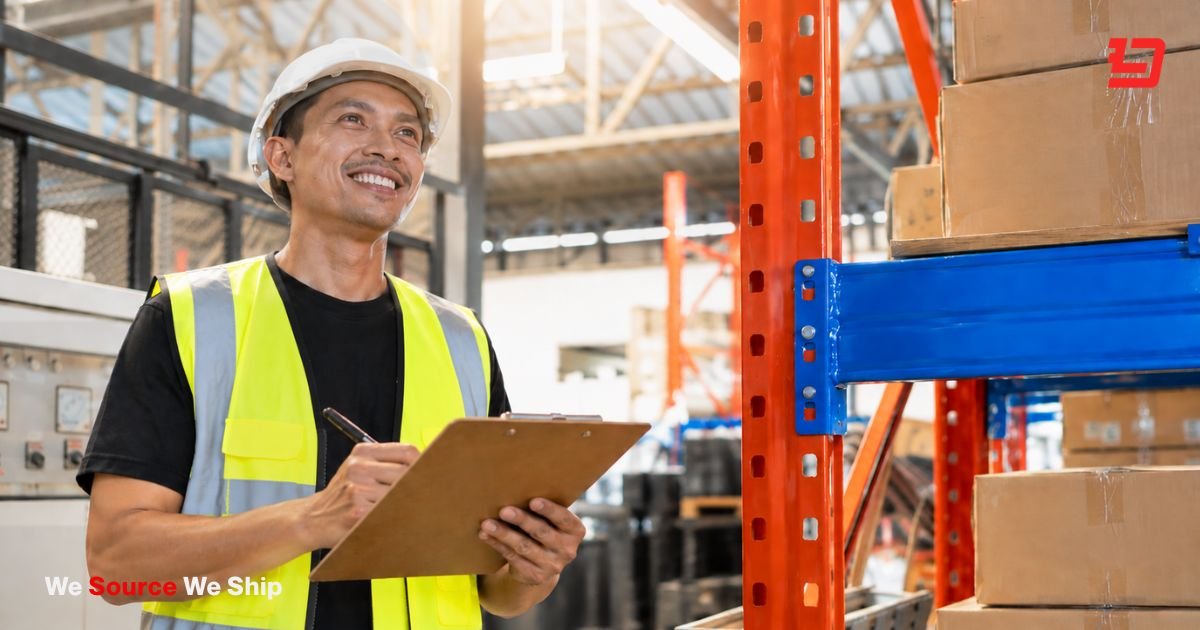
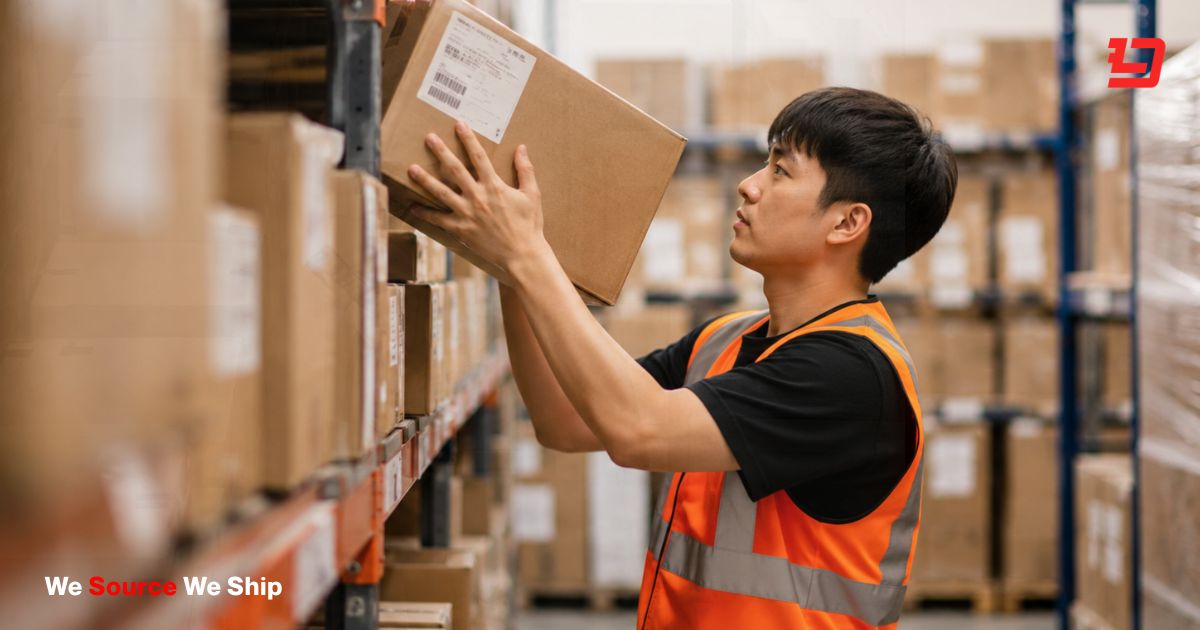
In-house fulfillment means the brand manages the process from inventory receipt through order dispatch and returns processing. The company leases or owns space, hires employees, stores products, picks and packs orders, arranges shipping, and handles returns.
Teams can change packing procedures quickly and oversee brand presentation. However, growth may require more people, equipment, systems, and space before additional sales cover those investments.
1. Warehouse Costs Extend Beyond Rent
A warehouse may require utilities, insurance, security, cleaning, racking, packing stations, scales, printers, loading equipment, repairs, and safety signage.
Capacity planning creates another hidden cost. Leasing space for growth or seasonal inventory can leave part of the building underused. Leasing too little can create crowded aisles and inefficient picking routes.
Measure the annual cost of occupying, equipping, and managing the facility against completed orders. Looking only at rent can significantly understate the actual facility cost assigned to each shipment.
2. Labor Costs Include Hiring and Supervision
Hourly wages do not show the full labor burden. Recruitment, onboarding, training, payroll administration, benefits, supervision, overtime, turnover, and temporary staffing all raise the cost per order.
Seasonal peaks make staffing difficult. Hiring too early leaves employees idle, while hiring too late creates backlogs. Temporary workers may need closer supervision until they understand SKU locations and packing rules.
Fulfillment may also pull customer service or management employees into warehouse work. Their time may not appear in the logistics budget, but the company still pays for it.
3. Technology Becomes a Continuing Expense
A growing warehouse usually needs management software, barcode scanners, shipping tools, label printers, scales, inventory integrations, and reporting.
Systems must be configured, connected to sales channels, tested, maintained, and updated. Employees need training, and someone must investigate synchronization failures, stock discrepancies, and label errors.
Manual processes may look cheaper at low volume, but they become harder to manage as orders, SKUs, and sales channels increase. The business must consider both software fees and the employee time needed to operate and maintain the system.
4. Safety and Compliance Require Resources
Operating a warehouse makes the brand responsible for a safe workplace and applicable labor, equipment, and storage requirements. Common risks include lifting injuries, falling items, slips, vehicle traffic, and unsafe stacking.
Overexertion and incidents involving powered industrial trucks are among the common hazards in warehouse operations. Forklift operators may also be subject to specific training and competency requirements under applicable local regulations.
Reducing these risks may require procedures, protective equipment, inspections, signage, maintenance, and recurring training. These expenses remain part of fulfillment, even though they cannot be assigned directly to every parcel.
5. Inventory Errors Lock Up Cash
Receiving mistakes, misplaced products, damage, inaccurate counts, and unrecorded returns can create gaps between physical and recorded stock.
A brand may reorder inventory it already owns or delay replenishment because the system shows unavailable units. Overstock ties up cash and space, while stockouts interrupt sales.
Cycle counting, barcode controls, receiving checks, and discrepancy investigations improve accuracy, but they also consume labor and management time. Fulfillment errors can also lead to reshipments, returns, replacement products, and additional customer-service work.
6. Packing and Shipping Decisions Reduce Margin
Packaging costs include boxes, mailers, tape, labels, inserts, protective materials, and packing equipment. Buying supplies in small quantities may increase unit costs, while poor forecasting can leave the warehouse short during promotions.
Oversized or heavy packaging can raise carrier charges. Staff must compare services, monitor surcharges, file claims, and correct invalid addresses.
Self-fulfillment costs more than postage. It includes the materials, labor, systems, and administration required to move each order. These expenses may be overlooked when the brand calculates shipping costs using only the amount shown on a carrier label.
7. Errors and Returns Create a Second Fulfillment Cycle
A wrong, incomplete, late, or damaged order can generate support work, a refund or replacement, another shipment, return postage, inventory adjustments, and possible disposal.
Returns require a separate workflow. Employees must receive, inspect, classify, repackage, restock, quarantine, refurbish, or dispose of each item. Until that work is complete, returned inventory may be unavailable for resale.
Returns also affect customer experience. Slow inspection can delay refunds, while poor classification leaves sellable stock unavailable. Treat returns as their own cost center rather than a minor extension of outbound shipping.
8. Management Time Has an Opportunity Cost
Founder and leadership time is one of the least visible expenses. Hours spent scheduling staff, investigating missing stock, ordering supplies, handling claims, or correcting shipments cannot be spent on product strategy, supplier development, marketing, or customer retention.
An operation may appear affordable because senior employees absorb extra work without allocating that time to the fulfillment budget. In reality, the company is using management capacity to solve warehouse problems.
This opportunity cost becomes especially important when fulfillment prevents experienced employees from completing activities that directly support revenue, product quality, or market expansion.
When In-House Fulfillment Still Makes Sense
In-house fulfillment can remain appropriate when order volume is stable, space is sufficient, and the team maintains reliable inventory and dispatch performance.
It may also suit products requiring confidential handling, frequent customization, specialized equipment, or direct inspection before shipment. Brands with distinctive packaging or complex assembly processes may value the ability to supervise every order closely.
The model works best when the brand chooses to build logistics internally and is prepared to invest in leadership, systems, safety, and process improvement. It should be treated as a strategic operating capability rather than an inexpensive temporary solution.
Calculate the Fully Loaded Cost per Order
Add annual facility, labor, technology, equipment, packaging, insurance, safety, inventory loss, error correction, returns, and management costs. Include temporary labor and unused capacity.
Divide the total by completed orders, then calculate separate figures for normal and peak periods. Track order accuracy, receiving time, on-time dispatch, return-processing time, and inventory discrepancies.
The calculation can be expressed simply as:
Fully loaded fulfillment cost per order = total annual fulfillment expenses ÷ completed annual orders
This creates a fair basis for comparing an expanded internal warehouse with an outside proposal. The option with the lowest visible cost may still carry greater operational risk.
How Lansil Global Supports a Different Model
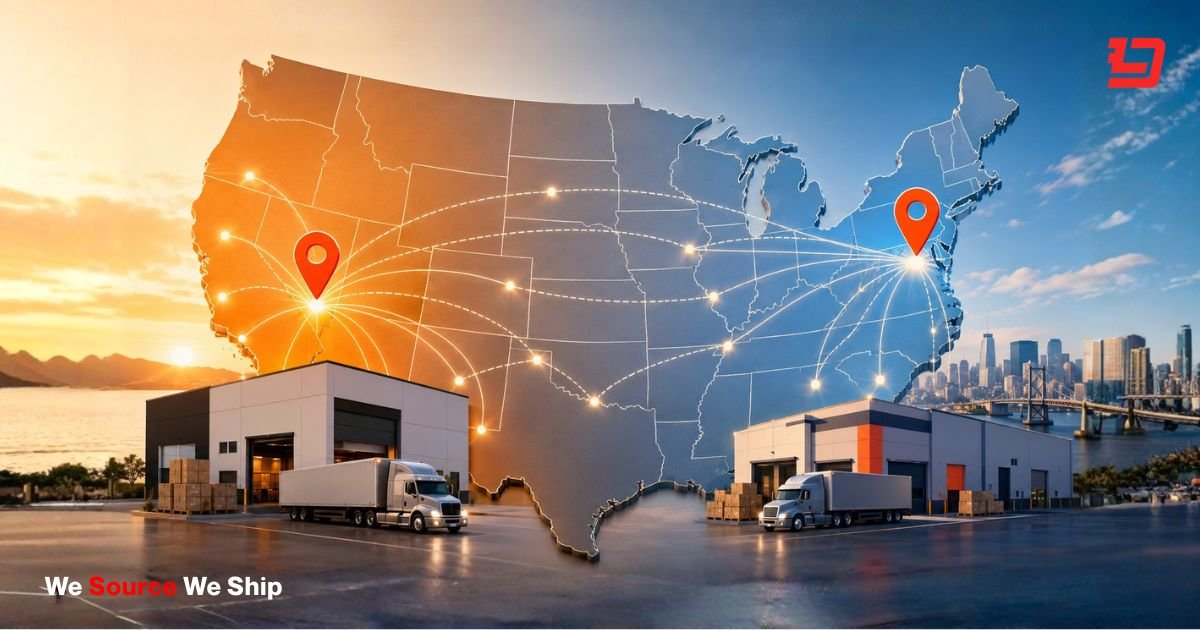
Lansil Global supports ecommerce brands before and after inventory reaches a warehouse. Our services include China product sourcing, manufacturing coordination, quality control, direct China fulfillment, U.S. fulfillment, returns handling, and Amazon FBA preparation.
For products sourced in China, our in-house quality control team can inspect product details, packaging, labels, and barcodes before inventory moves into fulfillment. This can help identify controllable problems closer to the manufacturing source rather than after products reach customers or overseas warehouses.
We also handle returns for products shipped from China and the United States. These capabilities allow brands to coordinate more of the supply chain through one partner instead of separately managing factories, inspectors, freight providers, and fulfillment operations.
The hidden costs of in-house fulfillment include more than rent, wages, packaging, and shipping. Brands should also account for unused capacity, recruitment, supervision, technology, safety, inventory errors, returns, and management time diverted from growth-related activities.
In-house fulfillment may still be the right model when close control creates enough value to justify the investment. When internal logistics becomes difficult to scale, compare the fully loaded cost and service performance of both options.
Contact us with your SKU data, order history, sourcing requirements, sales channels, and destinations to discuss a fulfillment structure based on your current operation and expected order volume.