Scaling an e-commerce brand requires a reliable supply chain. But many businesses unknowingly work with sourcing agents who take hidden kickbacks, inflate costs, and compromise quality. This article outlines how to identify problematic agents and build a transparent, compliant China sourcing operation—with clear guidance on what to look for in a partner.
Key Points:
- Hidden kickbacks drive up costs—agents may add markups or prioritize factories that pay them, not those best for your brand.
- Red flags include blocked factory access, vague pricing, and resistance to independent inspections.
- Transparent sourcing firms use open-book pricing, in-house quality control, and direct factory relationships.
- A dual fulfillment model (China + USA) can reduce costs while maintaining speed and compliance.
- Lansil Global combines vetted factories, itemized quotes, and integrated logistics to eliminate kickback risks.
How Kickbacks Undermine Your Supply Chain
Kickbacks occur when a sourcing agent receives undisclosed payments from factories in exchange for steering orders their way. This creates misaligned incentives.
The agent’s priority shifts to maximizing their own commission, not securing the best price, quality, or production reliability for you.
Common kickback schemes:
- Dual commissions: The agent charges you a service fee while also taking a hidden rebate from the factory.
- Built-in markups: The agent inflates the factory’s quoted price and pockets the difference.
- Quality shortcuts: To preserve their margin, the agent may push orders to lower-cost (and often lower-quality) factories.
- Blocked direct contact: The agent refuses to introduce you to the factory or share the factory’s address.
These practices are not just unethical—they might also violate anti-corruption laws like the U.S. Foreign Corrupt Practices Act (FCPA) when they involve bribery or false records.
Red Flags: Is Your Agent Working for You or Themselves?
Spotting problematic agents early saves months of wasted spend and supply chain disruptions. Watch for these warning signs:
| Red Flag | What It Signals |
|---|---|
| Agent resists introducing you to the factory | They are hiding the true source or their markup |
| Pricing is vague with no itemized breakdown | Likely includes hidden fees or inflated margins |
| Agent discourages third-party inspections | They want to control quality reporting |
| Factory changes without clear reason | Agent may be chasing higher rebates |
| Payment requested to an offshore account | Potential tax evasion or fraud |
If you encounter multiple red flags, it is time to restructure your sourcing relationship.
What to Look for in a Transparent Sourcing Partner
A trustworthy sourcing firm operates with clear incentives aligned to your success. Here are the key characteristics to evaluate.
Open-book or itemized pricing
Transparent partners provide detailed quotes showing product cost, service fees, logistics, and any other charges. There are no hidden line items.
What to ask: “Can I see a full breakdown of costs per unit, including your service fee and factory price?”
Direct factory relationships and visibility
Your partner should give you access to factory information, including name, location, and audit reports. They should facilitate direct communication when needed, not block it.
Avoid firms that rely solely on factory self-certification. A reliable partner conducts its own pre-shipment inspections and shares photos, videos, and detailed reports.
Integrated sourcing and fulfillment
Firms that handle both sourcing and fulfillment often have stronger accountability. They see the full product journey and have incentives to prevent defects that would cause returns or shipping delays.
Compliance with US/EU safety standards
For brands selling in regulated markets, your sourcing partner must understand CPSC (US), CE (EU), and other relevant requirements. They should build these standards into supplier selection and QC protocols.
How to Transition Away from a Problematic Agent
Switching agents mid-production carries risk if handled poorly. Follow these steps to manage the transition cleanly:
- Run a parallel pilot order with a new sourcing partner on a small SKU before cutting ties. A 60–90 day pilot lets you evaluate performance without disrupting existing production.
- Examine the current agent’s contract to check for exclusivity or ongoing commission clauses. It is also essential to clarify intellectual property ownership. Before changing agents, make sure that core drawings, molds, and agreements are properly signed with the factory or that rights are clearly established, avoiding the risk of the former agent retaining control.
- Conduct an independent factory audit on your existing suppliers to establish a quality baseline.
- Update your contracts to include anti-kickback provisions and audit rights going forward.
- Set measurable KPIs for your new partner: on-time-in-full rate (OTIF ≥ 90%), defect rate thresholds, and inspection turnaround times.
The transition is an opportunity — not just to fix a problem, but to build the kind of structured supplier relationships that support long-term growth.
How Lansil Global Addresses These Requirements
Lansil Global offers an end-to-end supply chain solution designed to eliminate opacity. Our service model directly addresses the pain points of kickback-dependent agents.
Transparent, itemized pricing
Lansil Global provides fully itemized quotes with no hidden fees. Every cost is reviewed with clients before signing, ensuring you understand exactly what you are paying for.
Vetted factory network
We maintain a network of over 2,000 trusted factories across China. Instead of chasing rebates, their sourcing team matches you with suppliers based on your product requirements, quality needs, and budget.
Compliance-ready operations
With experience shipping to over 200 countries, Lansil Global understands that clients prioritize compliance with international safety standards. By rigorously selecting approved manufacturers, we help minimize the risk of non-compliant shipments from the very beginning.
In-house quality control
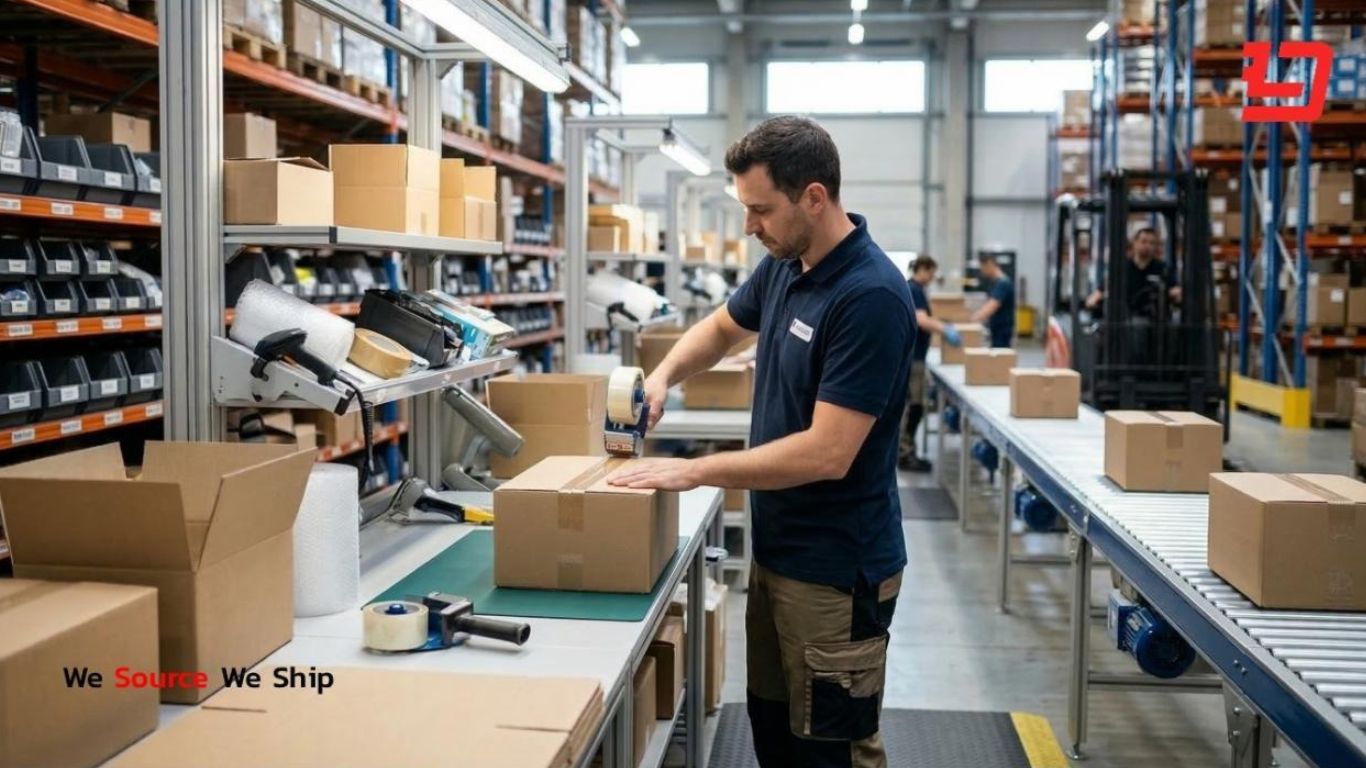
Our dedicated QC team inspects products, packaging, and barcodes before goods leave the factory. You receive detailed reports with photos and videos. If defects are found, Lansil replaces faulty products at no extra cost and works with suppliers to improve future runs.
Dual fulfillment strategy
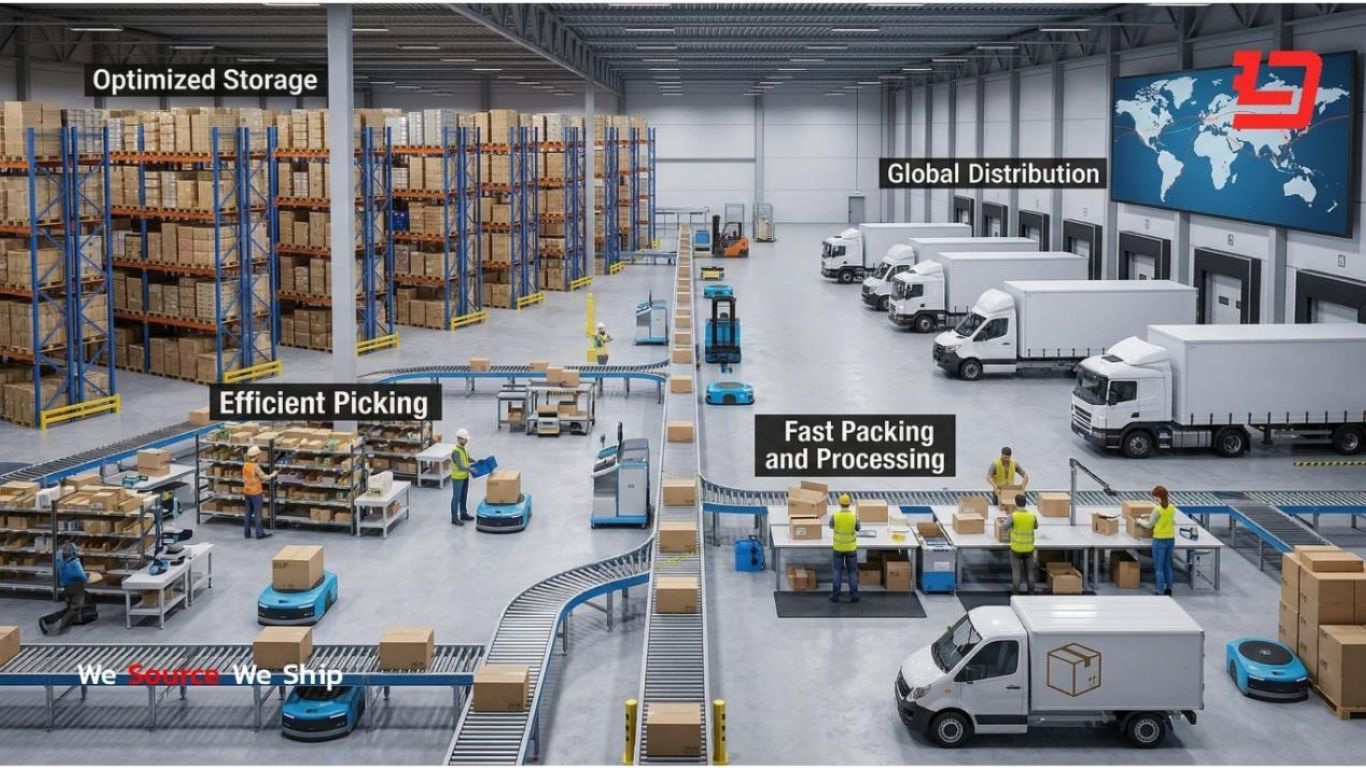
Lansil operates warehouses in Shenzhen (China), Nevada, and Pennsylvania. This dual model allows you to:
- Store high-volume products in the US for 2–4 day domestic delivery.
- Ship slower-moving or international orders from China in 3–10 days.
- Automatically route orders to the most efficient warehouse based on buyer location.
Technology for real-time visibility
Our unified dashboard integrates with Shopify, Amazon, WooCommerce, and other platforms. You can track inventory levels, order status, and QC results in one place—no more guessing where your products are or whether they meet specifications.
Key Takeaways
- Kickback-driven agents increase costs and introduce compliance risks. The solution is transparency, not simply finding a cheaper agent.
- Red flags include blocked factory access, vague pricing, and resistance to independent QC.
- A transparent sourcing partner offers open-book pricing, direct factory visibility, and in-house quality control.
- Integrated sourcing and fulfillment—like Lansil Global’s dual China + USA model—provides accountability and reduces hidden costs.
- For high-ticket or small-batch products, prioritize partners that can perform 100% inspections and maintain direct factory representation.
Ready to build a supply chain that works for your brand—not for hidden intermediaries? Contact Lansil Global for a free consultation. Our team can walk you through our transparent sourcing process, in-house QC, and dual-fulfillment options tailored to your product category and target markets!